
The World We Live In: How Fashion Reflects Society
The World We Live In: How Fashion Reflects Society
Fashion is more than just a way to cover our bodies; it’s a mirror reflecting the society we live in. From the roaring ’20s flappers to today’s eco-friendly designs, fashion tells the story of our cultural shifts, technological advancements, and social changes. Join me as we unravel the intricate tapestry of how fashion reflects the world around us.
Table of Contents
1. The Historical Evolution of Fashion
2. Fashion as a Reflection of Social Change
3. The Role of Technology in Fashion
4. Sustainable Fashion: A Response to Environmental Concerns
5. Conclusion
6. FAQs
The Historical Evolution of Fashion
Throughout history, fashion has been a powerful indicator of the times. In the 1920s, for instance, the flapper dress emerged as a symbol of women’s liberation and social freedom. It wasn’t just about the fringe and sequins; it was about breaking free from the constraints of the past.
Fast forward to the 1960s, and you’ll find the colorful, bold patterns of the hippie movement. These clothes weren’t just about aesthetics; they were a protest against the rigid societal norms and a call for peace and love. Each stitch and fabric choice through the decades tells a story of societal transformation.
Fashion as a Reflection of Social Change
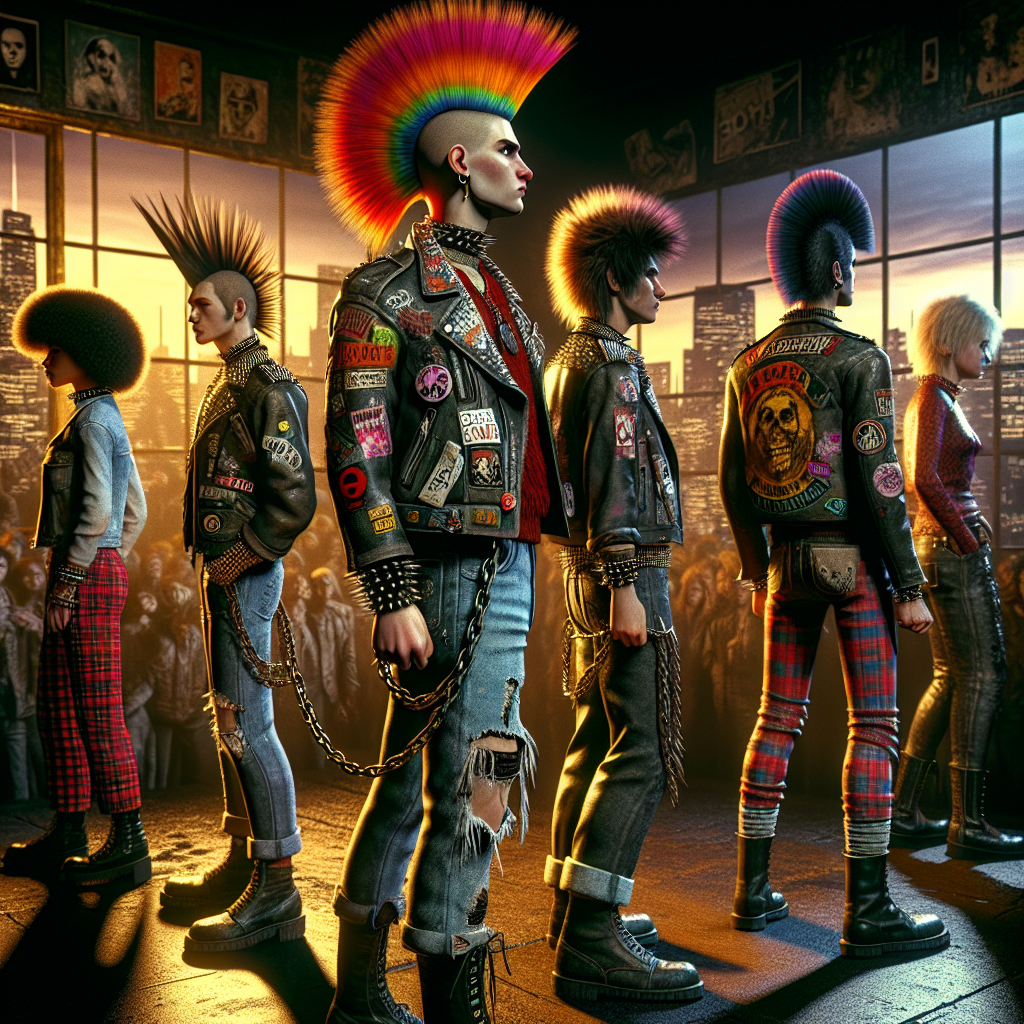
Fashion holds the power to reflect and even instigate social change. Consider the punk rock movement of the late 1970s, where fashion became a way to rebel against the establishment. The ripped jeans, safety pins, and bold hairstyles were more than a trend; they were a statement of defiance.
Today, we see fashion becoming more inclusive and diverse. Designers are increasingly showcasing models of all sizes, ethnicities, and gender identities. This shift towards inclusivity in fashion mirrors our society’s growing acceptance and celebration of diversity.
The Role of Technology in Fashion
Technology and fashion have developed a symbiotic relationship, transforming the way we design, produce, and consume clothing. The rise of fast fashion, driven by technological advancements, has made trendy clothing accessible to the masses at the click of a button.
Moreover, 3D printing and AI are revolutionizing how we create and conceptualize fashion. These technologies allow for more personalized and sustainable production methods, bridging the gap between innovation and tradition.
Sustainable Fashion: A Response to Environmental Concerns
As global awareness of environmental issues intensifies, the fashion industry is responding with a shift towards sustainability. Eco-friendly fabrics, recycling initiatives, and ethical production methods are becoming increasingly prevalent.
Brands like Patagonia and Stella McCartney lead the charge, demonstrating that fashion can be both stylish and sustainable. This movement reflects our society’s growing commitment to protecting the planet for future generations.
Conclusion
Fashion is a dynamic, ever-evolving reflection of the world we live in. From historical shifts to technological advancements and environmental consciousness, our clothing choices are deeply intertwined with societal trends. By paying attention to the fashion of the times, we gain insight into the cultural and social pulse of our world.
FAQs
Q: How does fashion influence society?
A: Fashion influences society by setting trends that shape cultural norms, values, and attitudes. It can drive social change by challenging the status quo and promoting inclusivity and diversity.
Q: Why is sustainable fashion important?
A: Sustainable fashion is crucial for reducing the environmental impact of the fashion industry. It promotes ethical production practices, reduces waste, and encourages the use of eco-friendly materials.
Q: How has technology impacted fashion?
A: Technology has transformed fashion through faster production processes, personalized designs, and innovations like 3D printing. It has made fashion more accessible and has opened new avenues for creativity and sustainability.
Q: What is the future of fashion?
A: The future of fashion is likely to focus on sustainability, technology integration, and inclusivity. As society continues to evolve, fashion will reflect these changes, adapting to new cultural and environmental priorities.
🌟 Fashion is not just about looking good; it’s about understanding the world we live in and expressing our identity within it. Embrace the trends, but also take a moment to ponder the stories they tell. 🌟