
The Role of Vintage Fashion in Modern Wardrobes
The Role of Vintage Fashion in Modern Wardrobes: Timeless Style Meets Contemporary Living 👗
There’s something magical about slipping into a perfectly tailored 1950s circle dress or donning a crisp 1970s blazer that instantly transforms your entire look. In today’s fast-fashion world, vintage clothing has emerged as more than just a trend—it’s become a powerful statement of individuality, sustainability, and timeless style. Whether you’re a seasoned vintage collector or someone curious about incorporating retro pieces into your wardrobe, understanding the role of vintage fashion in modern dressing can revolutionize how you approach personal style.
The resurgence of vintage fashion isn’t just about nostalgia; it’s about creating a unique aesthetic that stands out in a sea of mass-produced clothing. From the elegant silhouettes of the 1940s to the bold prints of the 1980s, vintage pieces offer something that contemporary fashion often lacks: character, quality craftsmanship, and stories woven into every thread.
Table of Contents 📚
• What Defines Vintage Fashion in Today’s Context
• The Sustainability Factor: Why Vintage Matters More Than Ever
• Building a Modern Wardrobe with Vintage Foundations
• Mixing Vintage and Contemporary: The Art of Balance
• Investment Value and Quality Considerations
• Styling Tips for Different Vintage Eras
• Where to Find Authentic Vintage Pieces
• Caring for Your Vintage Treasures
• Frequently Asked Questions
What Defines Vintage Fashion in Today’s Context 🕰️
Before diving into the role vintage plays in modern wardrobes, it’s essential to understand what truly qualifies as vintage fashion. Generally, clothing items are considered vintage when they’re at least 20-30 years old, though many fashion experts prefer pieces from specific decades like the 1940s through the 1980s for their distinctive style characteristics.
Unlike vintage-inspired or retro clothing manufactured today, authentic vintage pieces carry the DNA of their era—from the cut and construction methods to the fabric choices and finishing details. These garments were created during times when clothing was built to last, often featuring superior craftsmanship that’s hard to find in today’s market.
The appeal of vintage fashion extends beyond mere aesthetics. Each piece represents a slice of fashion history, embodying the social, cultural, and economic influences of its time. A 1960s mod dress tells the story of women’s liberation and youth culture, while a 1940s utility coat reflects the resourcefulness and practicality born from wartime constraints.
The Sustainability Factor: Why Vintage Matters More Than Ever 🌱
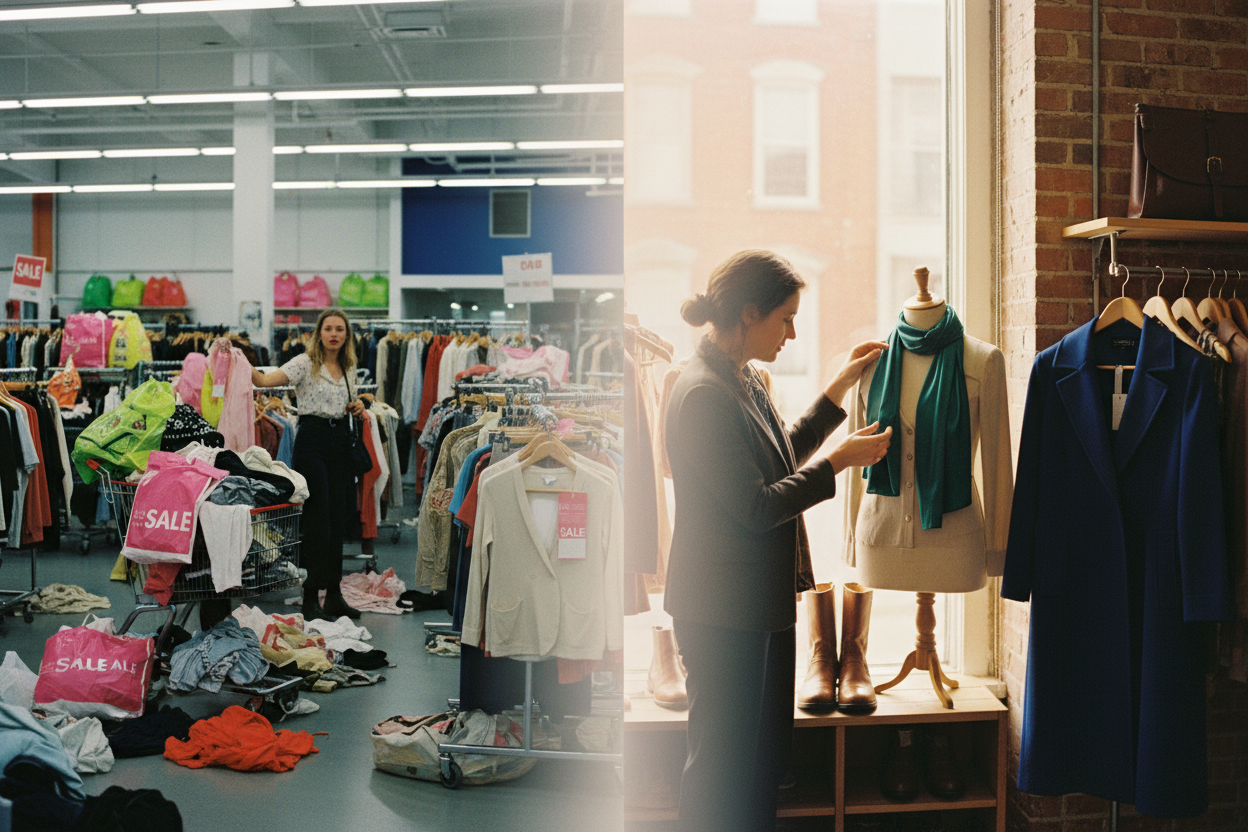
In an era where environmental consciousness is paramount, vintage fashion offers a compelling solution to the fast-fashion crisis. The fashion industry is one of the world’s largest polluters, contributing significantly to water pollution, textile waste, and carbon emissions. By choosing vintage pieces, fashion-conscious consumers can dramatically reduce their environmental footprint while building a more meaningful wardrobe.
When you purchase a vintage garment, you’re essentially giving it a second life, preventing it from ending up in a landfill while avoiding the environmental costs associated with producing new clothing. The carbon footprint of a vintage dress is essentially zero since its initial production impact has already been absorbed over decades of wear.
Moreover, vintage shopping encourages a more thoughtful approach to consumption. Instead of impulse buying the latest trends, vintage enthusiasts tend to carefully curate their collections, seeking pieces that truly speak to their personal style and will remain relevant for years to come. This shift toward quality over quantity represents a fundamental change in how we think about fashion consumption.
Building a Modern Wardrobe with Vintage Foundations 👔
Incorporating vintage pieces into a modern wardrobe doesn’t mean dressing like you’re headed to a costume party. The key is selecting versatile vintage items that can seamlessly blend with contemporary pieces to create a cohesive, updated look that feels fresh and current.
Start with classic vintage staples that have enduring appeal. A well-tailored vintage blazer from the 1970s or 1980s can instantly elevate modern jeans and a simple tee. Similarly, a 1950s pencil skirt pairs beautifully with contemporary blouses and accessories, creating a look that’s both timeless and current.
The beauty of building a wardrobe around vintage foundations lies in the uniqueness factor. While your friends might be wearing similar pieces from popular retailers, your vintage finds ensure that your style remains distinctly your own. This individuality is particularly valuable in professional settings, where a unique vintage piece can help you stand out while maintaining appropriate dress codes.
Mixing Vintage and Contemporary: The Art of Balance ⚖️
The secret to successfully incorporating vintage fashion into modern wardrobes lies in achieving the right balance between old and new. Too much vintage can create a costume-like effect, while too little fails to capture the unique charm that draws us to these pieces in the first place.
One effective approach is the “one statement vintage piece” rule. Choose one standout vintage item as your focal point and build the rest of your outfit around it using contemporary pieces. For instance, pair a stunning 1960s printed blouse with modern dark-wash jeans and contemporary ankle boots. This creates a look that feels current while allowing the vintage piece to shine.
Accessories offer another excellent entry point for vintage newcomers. A vintage silk scarf, classic handbag, or statement jewelry piece can add character to an otherwise contemporary outfit without overwhelming your look. These smaller vintage touches allow you to experiment with different eras and styles while maintaining comfort in your overall aesthetic.
Investment Value and Quality Considerations 💎
One of the most compelling arguments for vintage fashion is the exceptional quality and construction found in older garments. Before the advent of fast fashion, clothing was made to last, often featuring hand-finished details, quality fabrics, and superior construction techniques that are rare in today’s mass market.
High-end vintage pieces, particularly from renowned designers or luxury brands, often appreciate in value over time. A vintage Chanel suit or Hermès scarf can be both a fashion statement and a smart investment. Even non-designer vintage pieces typically offer better value than their contemporary counterparts, providing superior quality at a fraction of the cost of similar new items.
When evaluating vintage pieces for purchase, examine the construction details carefully. Look for hand-sewn buttonholes, French seams, quality zippers, and substantial fabric weight. These indicators of quality craftsmanship suggest a garment that will continue to look beautiful and hold up well with proper care.
Styling Tips for Different Vintage Eras 🎭
Each vintage era offers distinct styling opportunities that can enhance modern wardrobes in different ways. Understanding the key characteristics of each decade helps you choose pieces that align with your personal style and lifestyle needs.
The 1940s brought us elegant, structured silhouettes with nipped waists and A-line skirts that remain flattering on many body types. These pieces work beautifully in professional settings when paired with modern accessories and shoes. The 1950s continued this feminine aesthetic while introducing fuller skirts and more playful prints that add romance to contemporary outfits.
The revolutionary 1960s offered clean lines, geometric patterns, and shorter hemlines that feel surprisingly modern today. Mod dresses and structured coats from this era blend seamlessly with contemporary minimalist aesthetics. The 1970s brought flowing silhouettes, bold prints, and bohemian influences that complement today’s relaxed, eclectic style preferences.
The power dressing of the 1980s, with its strong shoulders and tailored lines, has found new relevance in today’s professional landscape. These pieces can add authority and presence to modern work wardrobes when styled with contemporary accessories and footwear.
Where to Find Authentic Vintage Pieces 🛍️
The hunt for perfect vintage pieces is half the fun of building a vintage-influenced wardrobe. Estate sales and vintage boutiques often yield the best finds, offering carefully curated selections and knowledgeable staff who can provide valuable information about each piece’s history and care requirements.
Online platforms have revolutionized vintage shopping, providing access to pieces from around the world. Reputable vintage sellers on platforms like Etsy, Vestiaire Collective, and specialized vintage websites offer detailed descriptions and measurements, making it easier to shop with confidence from home.
Don’t overlook unexpected sources like consignment shops, thrift stores, and even family attics. Some of the most treasured vintage finds come from unexpected places, often at surprisingly affordable prices. Building relationships with vintage dealers and shop owners can also lead to first access to new arrivals and special pieces.
Caring for Your Vintage Treasures 🧺
Proper care is essential for maintaining vintage garments and ensuring they continue to look beautiful for years to come. Many vintage fabrics and construction techniques require special handling that differs from caring for contemporary clothing.
Always check care labels when available, but remember that cleaning technology has evolved significantly since these garments were made. Professional dry cleaning is often the safest option for delicate vintage pieces, particularly those with beading, sequins, or unusual fabrics. When hand washing is appropriate, use gentle detergents and cool water to prevent damage.
Storage is equally important for vintage garment longevity. Use padded hangers for structured pieces, store knitwear flat, and ensure adequate air circulation in your closet. Cedar blocks or lavender sachets can help deter moths without the harsh chemicals found in traditional mothballs that might damage delicate vintage fabrics.
Frequently Asked Questions 🤔
How do I determine if a vintage piece is authentic?
Look for period-appropriate construction details, fabric types, and labels. Research the brand’s history and compare styling elements with documented pieces from the era. When in doubt, consult with experienced vintage dealers or fashion historians.
What’s the difference between vintage and retro clothing?
Vintage clothing is authentically from a past era (typically 20+ years old), while retro or vintage-inspired pieces are newly manufactured items designed to mimic past styles. Vintage pieces offer authentic construction and materials from their original time period.
How should I size vintage clothing?
Vintage sizing differs significantly from contemporary sizing. Always check actual measurements rather than relying on size labels. Many vintage pieces run smaller than modern equivalents, and sizing standards have changed dramatically over the decades.
Is vintage fashion appropriate for professional settings?
Absolutely! Many vintage pieces, particularly tailored blazers, pencil skirts, and classic dresses, work beautifully in professional environments. The key is choosing pieces that fit well and styling them with contemporary accessories for a polished, current look.
How do I start incorporating vintage into my existing wardrobe?
Begin with accessories or one standout piece that complements your current style. Vintage scarves, jewelry, or a classic blazer are excellent starting points that allow you to experiment without completely overhauling your wardrobe.
What vintage eras work best for different body types?
Different eras emphasized different silhouettes, so there’s something flattering for everyone. The 1940s and 1950s are particularly flattering for hourglass figures, while the 1960s work well for straighter body types. The flowing styles of the 1970s complement many different figures.
Vintage fashion’s role in modern wardrobes extends far beyond mere trend-following. It represents a conscious choice to embrace quality, individuality, and sustainability while creating a personal style that stands the test of time. Whether you’re drawn to the elegant femininity of the 1950s, the bold statements of the 1980s, or the free-spirited aesthetic of the 1970s, vintage pieces offer endless possibilities for expressing your unique personality through fashion.
The key to successfully incorporating vintage into your modern wardrobe lies in thoughtful selection, proper care, and creative styling that bridges past and present. By choosing vintage pieces that truly speak to you and learning to mix them skillfully with contemporary items, you can create a wardrobe that’s both timeless and thoroughly modern—a reflection of your appreciation for fashion history and your commitment to sustainable, meaningful consumption. In a world of fast fashion and fleeting trends, vintage clothing offers something increasingly rare: pieces with soul, stories, and staying power. ✨