
The Role of Fashion in Political Activism
The Role of Fashion in Political Activism
Fashion has long been a tool for self-expression, but did you know it also plays a pivotal role in political activism? From slogan tees to symbolic accessories, clothing can communicate powerful messages and rally communities around shared causes. In this blog post, we’ll explore how fashion intertwines with political activism, its impact throughout history, and its ongoing influence today.
Table of Contents
1. Introduction
2. The Historical Intersection of Fashion and Activism
3. Fashion as a Political Statement
4. Icons and Movements in Fashion Activism
5. The Impact of Social Media on Fashion Activism
6. Conclusion
7. FAQs
The Historical Intersection of Fashion and Activism
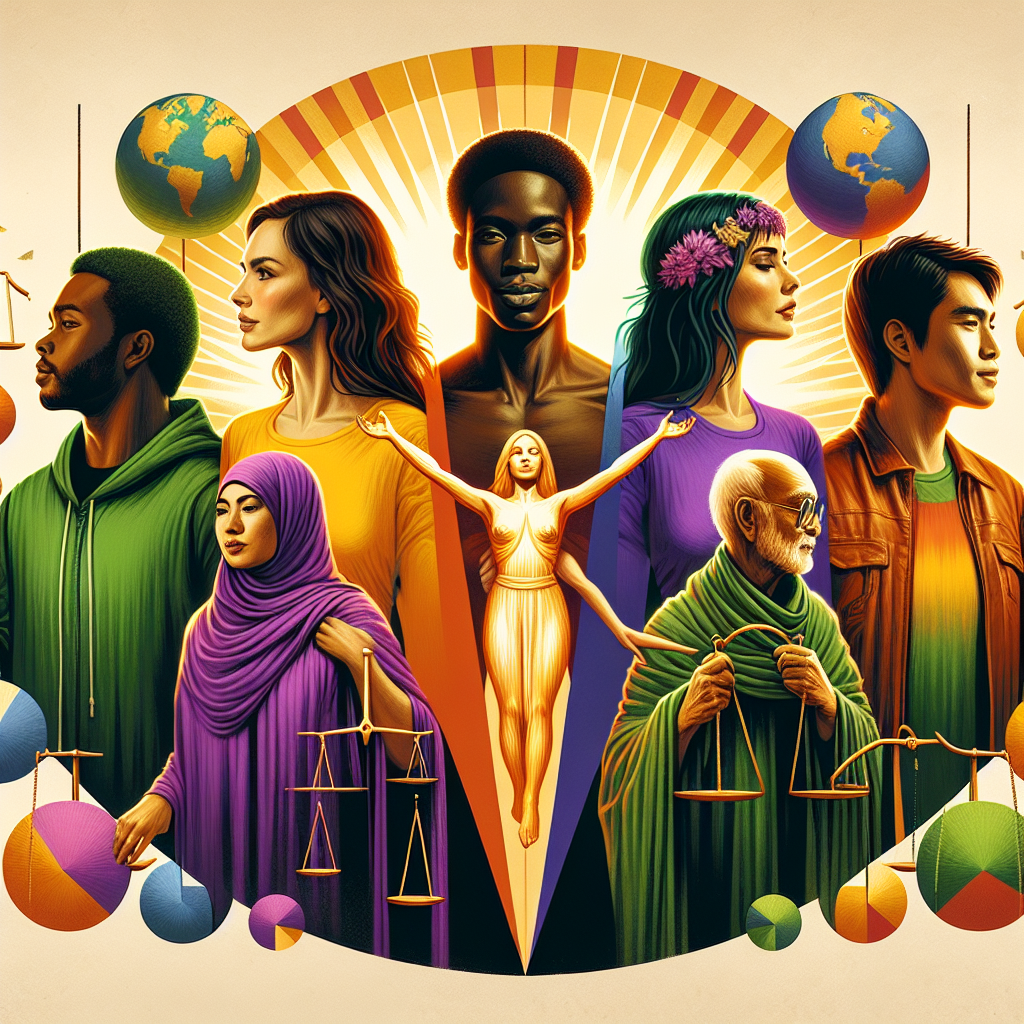
Throughout history, fashion has been a mirror reflecting societal changes and unrest. In the early 20th century, the suffragette movement used fashion to make a statement. Women donned sashes in the colors of purple, white, and green, symbolizing loyalty, purity, and hope. These visual cues became synonymous with their fight for the right to vote.
Similarly, the 1960s saw a surge in fashion-activism with the Civil Rights Movement. Clothing played a crucial role in protests and marches, with participants often wearing their “Sunday best” to convey dignity and respectability in the face of adversity.
Fashion as a Political Statement
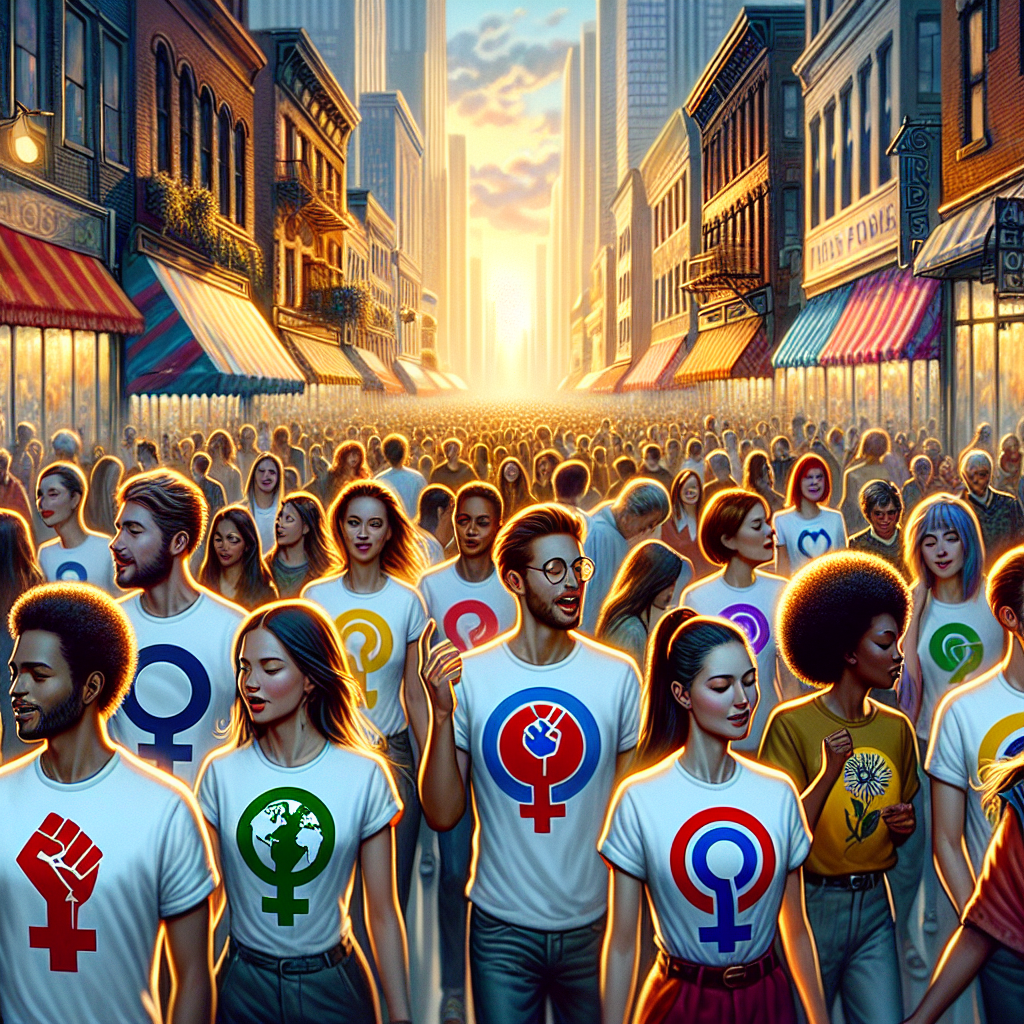
Fast forward to contemporary times, and fashion continues to be a potent vehicle for political statements. The rise of the graphic tee has made it easier than ever to wear your heart—and your beliefs—on your sleeve. Slogans like “Black Lives Matter” and “The Future is Female” are not just words; they are calls to action, sparking conversations and movements worldwide.
Fashion designers have also embraced activism. Brands like Patagonia advocate for environmental protection, while luxury labels have used their runways to highlight issues such as climate change, immigration, and LGBTQ+ rights. These efforts showcase how fashion has evolved into a platform for advocacy and awareness.
Icons and Movements in Fashion Activism
Over the years, numerous icons and movements have leveraged fashion for activism. Consider the punk movement of the 1970s, where ripped jeans and band tees became symbols of rebellion against the establishment. Punk fashion was both a rejection of mainstream styles and an embodiment of anti-authoritarian sentiments.
More recently, the Women’s March has seen millions don pink “pussyhats” as a visual protest against gender inequality. The hat, simple yet powerful, united people across the globe in solidarity and became a viral symbol of resistance.
The Impact of Social Media on Fashion Activism
In today’s digital age, social media has amplified the reach and impact of fashion activism. Platforms like Instagram and Twitter allow activists to share their messages instantly with a global audience. Hashtags like #FashionActivism and #WearYourValues create communities of like-minded individuals, fostering discussions and encouraging collective action.
Moreover, social media influencers and celebrities have a significant impact in promoting fashion activism. When a high-profile figure wears a politically charged outfit, it not only garners media attention but also inspires followers to engage with the cause.
Conclusion
Fashion has proven to be an enduring ally in the world of political activism. Its ability to convey powerful messages, unify communities, and drive change makes it a unique and impactful medium. As we continue to face global challenges, the role of fashion in activism is likely to grow, inspiring new generations to wear their beliefs proudly and advocate for a better world.
FAQs
Q: How can fashion influence political change?
A: Fashion can influence political change by raising awareness, sparking conversations, and uniting individuals around shared causes. It serves as a visual medium that can convey powerful messages and mobilize communities.
Q: What are some examples of fashion activism in history?
A: Historical examples include the suffragette movement’s use of color symbolism, the Civil Rights Movement’s dignified attire during protests, and the punk movement’s rebellious fashion statements.
Q: Why is social media important for fashion activism?
A: Social media amplifies the reach of fashion activism by allowing messages to be shared instantly with a global audience. It creates communities, fosters discussions, and encourages collective action.
Q: Can fashion activism make a real difference?
A: Yes, fashion activism can make a real difference by influencing public opinion, driving social change, and inspiring legislative action. It plays a significant role in raising awareness and engaging communities.
✨ Fashion is not just about looking good—it’s about doing good. Wear your values and make a statement! ✨