The Role of Diversity in Shaping Fashion Trends
The Role of Diversity in Shaping Fashion Trends: How Cultural Fusion Creates Tomorrow’s Style
Fashion has always been a mirror reflecting society’s values, dreams, and cultural shifts. Today more than ever, diversity isn’t just influencing fashion trends—it’s completely revolutionizing how we think about style, beauty, and self-expression. From the runways of Paris to the streets of Lagos, from TikTok influencers to high-fashion designers, diverse voices are creating a rich tapestry of fashion that’s more inclusive, innovative, and inspiring than ever before.
Gone are the days when fashion was dictated by a select few from specific cultural backgrounds. We’re witnessing a beautiful transformation where designers from every corner of the world, models of all ethnicities, and consumers from diverse communities are actively shaping what we wear and how we express ourselves through clothing. This shift isn’t just changing fashion—it’s making it better, more authentic, and infinitely more interesting.
The Evolution of Fashion Through Cultural Diversity 🌍
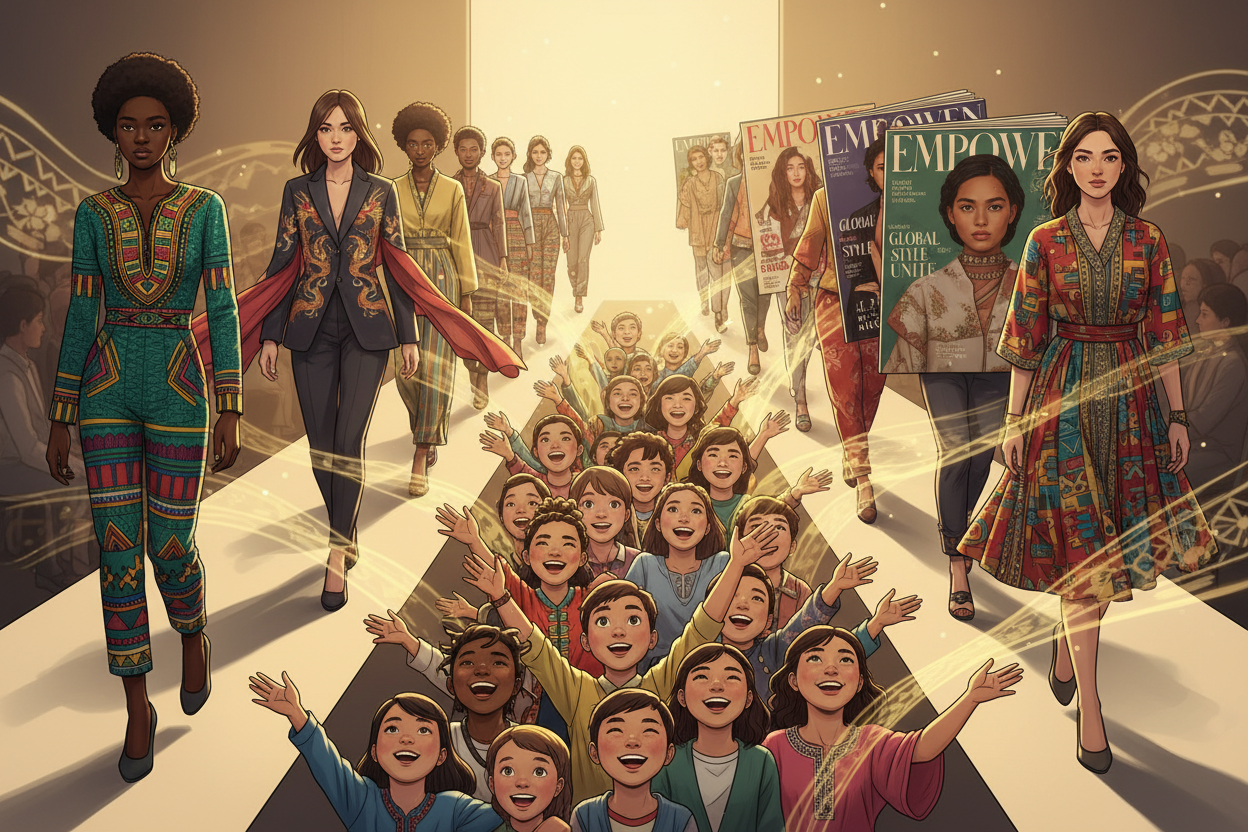
Fashion’s relationship with diversity has come a long way, though we still have exciting ground to cover. Historically, the fashion industry operated within fairly narrow parameters, with trends often emerging from Western fashion capitals and trickling down through traditional channels. But the digital age has democratized fashion in ways we couldn’t have imagined just a decade ago.
Social media platforms have become powerful equalizers, allowing designers from Mumbai to showcase their work alongside those from Milan. A young designer in Nairobi can now influence global trends just as easily as established fashion houses in New York. This accessibility has opened floodgates of creativity, bringing fresh perspectives that challenge conventional beauty standards and style norms.
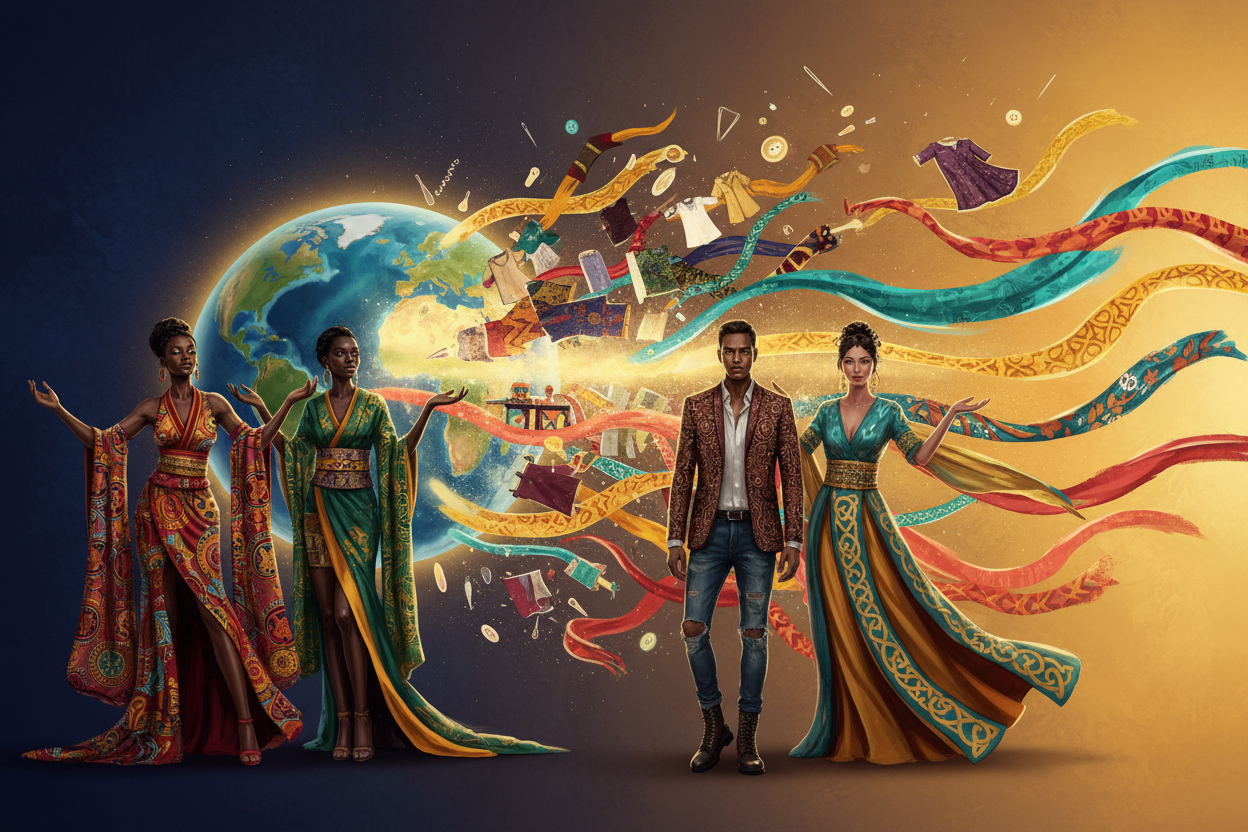
The result? Fashion trends that are more dynamic, inclusive, and representative of our beautifully diverse world. We’re seeing traditional African prints making their way into contemporary streetwear, Asian-inspired silhouettes influencing Western formal wear, and Latin American color palettes brightening up minimalist Scandinavian designs. It’s like watching different musical genres blend to create entirely new sounds—except we’re talking about fabric, cut, and color.
How Different Cultures Influence Modern Fashion Trends 👘
Every culture brings something unique to the fashion table, and modern designers are increasingly drawing inspiration from this rich global heritage. Take the growing popularity of kimono-style jackets in Western wardrobes, or how henna-inspired patterns have found their way onto contemporary dresses and accessories.
African fashion has been particularly influential in recent years, with designers like Duro Olowu and Ozwald Boateng bringing bold prints, vibrant colors, and innovative tailoring techniques to international audiences. The traditional dashiki has evolved into modern interpretations that work just as well in corporate boardrooms as they do at cultural celebrations.
South Asian fashion has contributed flowing silhouettes, intricate embroidery techniques, and a fearless approach to mixing patterns and textures. You’ll find elements of traditional Indian and Pakistani clothing in everything from bohemian festival wear to high-end evening gowns. The way a sari drapes has inspired countless contemporary dress designs, proving that traditional techniques can feel completely modern when reimagined thoughtfully.
Latin American influence shows up in the bold use of color, playful ruffles, and form-fitting silhouettes that celebrate the body rather than hiding it. Mexican embroidery techniques have inspired everything from luxury handbags to casual denim jackets, while the vibrant festival culture of Brazil has influenced swimwear and resort collections worldwide.
Breaking Beauty Standards: Diverse Models and Representation 💫
Perhaps nowhere is diversity’s impact more visible than in the changing face of fashion modeling. The industry has undergone a significant transformation, moving away from a one-size-fits-all beauty standard toward celebrating different body types, ethnicities, ages, and abilities.
Models like Ashley Graham have redefined what it means to be a fashion model, proving that curves belong on runways and magazine covers. Winnie Harlow’s success has challenged conventional ideas about skin conditions, while models like Mama Cax showed the world that physical disabilities don’t diminish beauty or style—they add to it.
This shift toward inclusive representation isn’t just about being politically correct; it’s smart business. When people see models who look like them wearing beautiful clothes, they’re more likely to envision themselves in those outfits. Fashion brands have discovered that diversity isn’t just the right thing to do—it’s profitable too.
The impact extends beyond professional modeling into influencer culture, where everyday people from diverse backgrounds are setting trends and influencing purchasing decisions. A hijabi fashion blogger might inspire modest wear trends, while a plus-size influencer could spark interest in bold, body-positive styling choices.
Social Media’s Impact on Diverse Fashion Movements 📱
Social media has been the great democratizer of fashion, giving voice to creators and influencers who might never have had access to traditional fashion platforms. Instagram, TikTok, and Pinterest have become virtual runways where anyone can showcase their style and potentially influence global trends.
Hashtags like #MelaninPoppin, #ModestFashion, and #PlusSizeStyle have created communities where people can share styling tips, celebrate their unique aesthetics, and find inspiration from others who share their experiences. These movements have forced major fashion brands to pay attention and adapt their offerings accordingly.
TikTok, in particular, has accelerated trend cycles and made fashion more accessible. A teenager in Jakarta can create a styling video that goes viral and influences how people dress in cities around the world. This rapid-fire trend sharing has made fashion more immediate, more diverse, and more responsive to what real people actually want to wear.
The platform has also given rise to fashion challenges that celebrate different cultural styles, body types, and creative approaches to styling. These organic movements often have more impact on actual purchasing decisions than traditional advertising campaigns, proving that authentic representation resonates more deeply than manufactured marketing messages.
Sustainable Fashion Through Cultural Heritage 🌱
One of the most exciting aspects of diversity’s influence on fashion is how it’s contributing to sustainability efforts. Many traditional clothing-making techniques from around the world are inherently more sustainable than fast fashion production methods.
Indigenous textile techniques often emphasize quality craftsmanship, natural materials, and timeless designs that last for generations rather than seasons. When modern designers incorporate these approaches, they’re not just creating beautiful clothing—they’re promoting more sustainable consumption patterns.
Traditional dyeing methods using natural materials, hand-weaving techniques that don’t require industrial machinery, and construction methods that prioritize durability over speed are all finding new life in contemporary sustainable fashion movements. Designers are learning that they don’t need to reinvent the wheel; they can look to traditional practices that have sustained communities for centuries.
This approach also supports artisan communities around the world, creating economic opportunities while preserving cultural heritage. When a luxury brand partners with traditional textile workers, everyone wins: the brand gets unique, high-quality materials, the artisans get fair compensation for their skills, and consumers get clothing with authentic cultural significance.
The Future of Inclusive Fashion Design 🚀
Looking ahead, the role of diversity in fashion will only continue to grow. We’re moving toward a future where fashion is truly global, truly inclusive, and truly representative of human diversity in all its forms.
Technology is playing a role too. AI and machine learning are helping brands understand diverse consumer preferences better, while virtual reality is making fashion shows more accessible to global audiences. 3D printing and customization technologies are making it easier for brands to offer clothing in a wider range of sizes and styles.
The next generation of fashion designers is more diverse than ever, and they’re bringing fresh perspectives to everything from sustainable materials to inclusive sizing. Fashion schools worldwide are emphasizing cultural sensitivity and global awareness, preparing designers to create for a truly international, diverse market.
We’re also seeing the rise of “cultural fashion diplomacy,” where clothing becomes a way to share and celebrate different cultures respectfully. This approach emphasizes collaboration over appropriation, ensuring that cultural influences in fashion benefit the communities they come from.
Table of Contents
• Introduction to Diversity in Fashion
• The Evolution of Fashion Through Cultural Diversity
• How Different Cultures Influence Modern Fashion Trends
• Breaking Beauty Standards: Diverse Models and Representation
• Social Media’s Impact on Diverse Fashion Movements
• Sustainable Fashion Through Cultural Heritage
• The Future of Inclusive Fashion Design
• Frequently Asked Questions
• Conclusion
Frequently Asked Questions
How has diversity changed the fashion industry?
Diversity has revolutionized fashion by introducing new design perspectives, expanding beauty standards, creating more inclusive sizing and styling options, and making fashion more representative of global cultures. It has also driven innovation in sustainable practices and created new market opportunities.
What’s the difference between cultural appreciation and cultural appropriation in fashion?
Cultural appreciation involves respectfully acknowledging and crediting cultural influences, often involving collaboration with communities and providing economic benefits to those cultures. Cultural appropriation takes elements from cultures without permission, understanding, or benefit to the originating community.
How can consumers support diverse fashion brands?
Consumers can support diversity by purchasing from brands owned by underrepresented groups, choosing companies with inclusive marketing and sizing, supporting sustainable brands that work with traditional artisans, and amplifying diverse voices on social media.
Will diverse fashion trends last, or are they just a passing phase?
Diverse fashion trends represent a fundamental shift in how the industry operates, driven by changing demographics, global connectivity, and consumer demand for authenticity. This isn’t a trend—it’s the new reality of fashion.
How do traditional techniques influence modern sustainable fashion?
Traditional techniques often emphasize quality craftsmanship, natural materials, and timeless designs that promote sustainability. Modern designers are incorporating these methods to create more durable, environmentally friendly clothing while supporting artisan communities.
Conclusion: Embracing Fashion’s Beautiful Future ✨
The role of diversity in shaping fashion trends isn’t just about creating prettier clothes or more inclusive advertising—though it’s certainly doing both. It’s about recognizing that fashion, at its best, is a celebration of human creativity, culture, and self-expression in all its magnificent forms.
As we look toward the future, it’s clear that diversity will continue to drive innovation in fashion. We’re moving toward a world where your cultural background, body type, budget, or location doesn’t limit your ability to participate in fashion culture. Instead, these differences become sources of inspiration and creativity that make fashion richer for everyone.
The fashion industry’s embrace of diversity isn’t just changing what we wear—it’s changing how we think about beauty, identity, and belonging. When a young person sees someone who looks like them on a magazine cover or runway, when they find clothes that fit their body and reflect their cultural heritage, when they see their community’s traditional techniques celebrated in contemporary design, fashion becomes more than clothing. It becomes affirmation, inspiration, and connection.
This transformation is far from complete, and there’s still work to be done to ensure that diversity and inclusion remain more than just buzzwords. But the progress we’ve seen gives us reason to be optimistic about fashion’s future—a future that’s more colorful, more creative, and more representative of the beautiful diversity of our world. In this future, everyone has a place at the fashion table, and everyone’s voice contributes to the ongoing conversation about style, beauty, and self-expression.