
The Power of Fashion in Shaping Identity
The Power of Fashion in Shaping Identity
Fashion is more than just clothes—it’s a powerful tool that helps shape our identity. Whether it’s the latest trends or timeless classics, what we wear speaks volumes about who we are, how we feel, and the role we play in society. In this blog post, we will explore the intricate relationship between fashion and identity, examining how personal style can express individuality and cultural belonging.
Table of Contents
1. Introduction
2. The Historical Context of Fashion
3. Fashion as a Form of Self-Expression
4. The Role of Fashion in Cultural Identity
5. Fashion and Social Status
6. Personal Stories: How Fashion Transformed Lives
7. Conclusion
8. FAQs
The Historical Context of Fashion
Fashion has always been a mirror reflecting the cultural and social climates of different eras. From the opulent gowns of the Victorian era to the rebellious styles of the 1960s, clothing has been a canvas for expressing societal values and changes. Historically, fashion has been used to signal everything from social status to political affiliations. 🌟
Consider the flapper dresses of the 1920s, which symbolized women’s liberation and the breaking away from traditional roles. These shifts in fashion were not just about aesthetics but were deeply intertwined with identity and self-perception.
Fashion as a Form of Self-Expression
At its core, fashion is a highly personal affair. Each morning, when choosing what to wear, we’re making decisions about how we want the world to perceive us. Our choices in clothing can reflect our mood, interests, and aspirations. 🌈
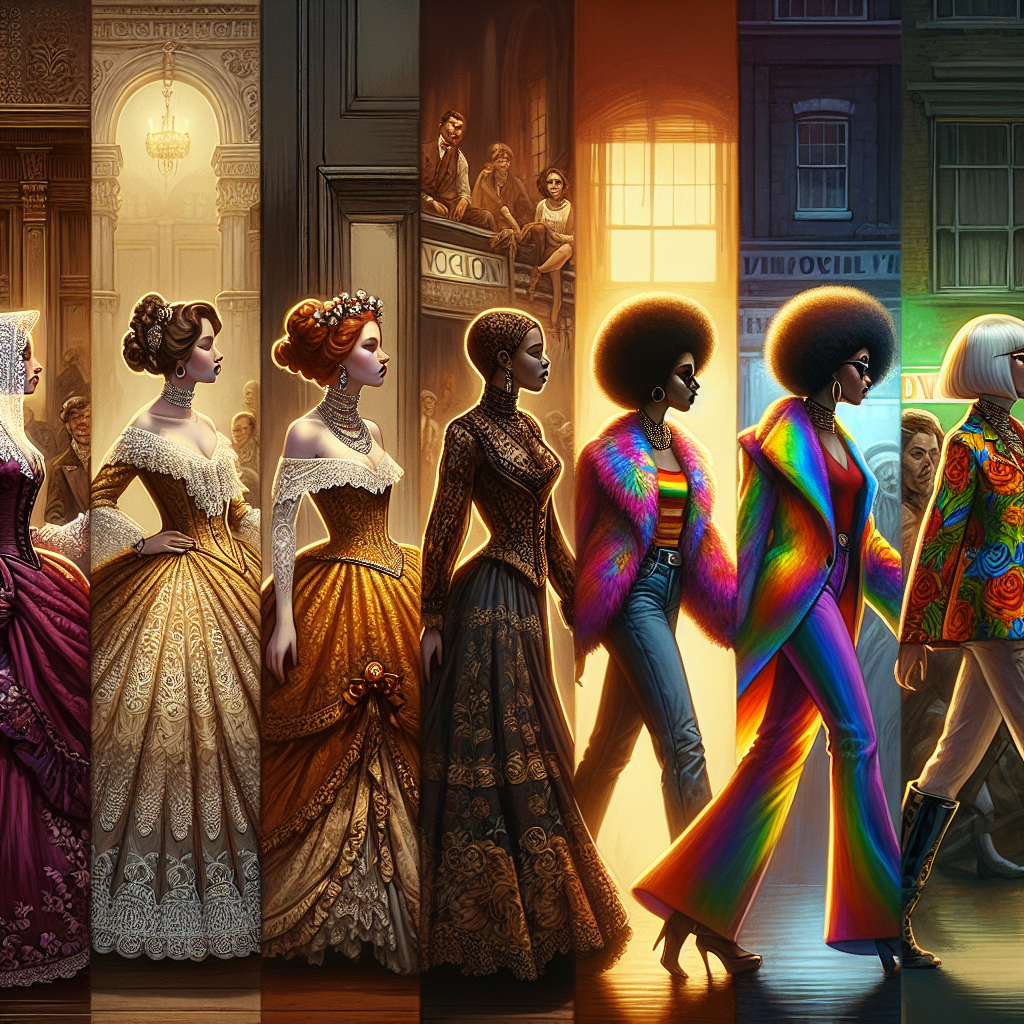
For instance, someone might choose a bold, colorful outfit to project confidence and positivity, whereas another might opt for minimalist styles to convey elegance and simplicity. The possibilities are endless, and that’s the beauty of fashion—it’s a versatile language of self-expression accessible to everyone.
The Role of Fashion in Cultural Identity
Fashion is also a powerful vehicle for expressing cultural identity. Traditional clothing can hold significant meaning, representing heritage and history. It’s common to see individuals donning traditional attire during cultural festivals or important life events, honoring their roots while embracing their present identity. 🌍
For example, wearing a kimono in Japan or a sari in India not only connects individuals to their cultural heritage but also allows them to share their identity with the world. These garments tell stories of culture, tradition, and community.
Fashion and Social Status
Fashion often serves as an indicator of social status. Luxury brands and designer labels can signify wealth and success, creating a visual distinction in social classes. However, in today’s world, fashion democratization is changing this dynamic, allowing for unique style statements across different socioeconomic backgrounds. 💎
Accessible fashion brands and the rise of thrift shopping have made it possible for individuals to curate a stylish wardrobe without breaking the bank, challenging the traditional notions of status and prestige associated with fashion.
Personal Stories: How Fashion Transformed Lives
Fashion has the power to transform lives, offering a sense of belonging and self-acceptance. Let’s hear from some individuals who have harnessed the power of fashion to shape their identities:
Emily’s Story: “Growing up, I struggled with self-esteem. It wasn’t until I started experimenting with fashion that I truly found myself. Wearing bold, eclectic pieces gave me the confidence to embrace my uniqueness.”
James’s Journey: “Moving to a new country was daunting, but fashion helped me bridge cultural gaps. Wearing traditional attire during festivals made me feel connected to my roots, and sharing my culture with new friends was incredibly fulfilling.”
Conclusion
Fashion is a dynamic form of communication that plays a crucial role in shaping identity. Whether it’s through self-expression, cultural representation, or social status, the clothes we wear speak volumes. By embracing fashion, we can celebrate our uniqueness while connecting with others in meaningful ways. So next time you open your closet, think about the story you want to tell. 👗
FAQs
Q: How does fashion influence identity?
A: Fashion influences identity by allowing individuals to express their personality, cultural background, and social status. It serves as a visual representation of who we are and how we wish to be perceived by the world.
Q: Can fashion change over time?
A: Yes, fashion is constantly evolving, reflecting changes in cultural values, technological advancements, and personal preferences. As society changes, so does the fashion landscape, offering new ways to express identity.
Q: Is fashion important in all cultures?
A: While the significance of fashion may vary, it plays a role in every culture. Clothing is often tied to cultural traditions and can serve as a means of preserving and celebrating cultural heritage.
Q: How can I use fashion to express my identity?
A: Start by exploring different styles and colors that resonate with you. Don’t be afraid to experiment and mix trends with personal touches to create a look that reflects your personality and values.