The Influence of Global Events on Men’s Fashion
The Influence of Global Events on Men’s Fashion: How World History Shaped What Men Wear 👔
Table of Contents
• Introduction: When History Meets the Wardrobe
• The Great Wars: Military Precision Meets Civilian Style
• Economic Upheavals: From Depression Practicality to Post-War Prosperity
• Cultural Revolutions: Breaking Traditional Boundaries
• Technology Boom: Digital Age Fashion Innovation
• Global Pandemics: Remote Work’s Impact on Men’s Style
• Climate Change: Sustainable Fashion Takes Center Stage
• Political Movements: Fashion as Social Commentary
• The Digital Revolution: Social Media’s Fashion Influence
• Conclusion: The Continuing Evolution
• Frequently Asked Questions
Introduction: When History Meets the Wardrobe 🌍
Have you ever wondered why your grandfather’s suit looks so different from what’s hanging in your closet today? The answer lies in the fascinating relationship between global events and men’s fashion. Throughout history, major world events have acted as powerful catalysts, reshaping not just societies and economies, but also the very clothes men choose to wear.
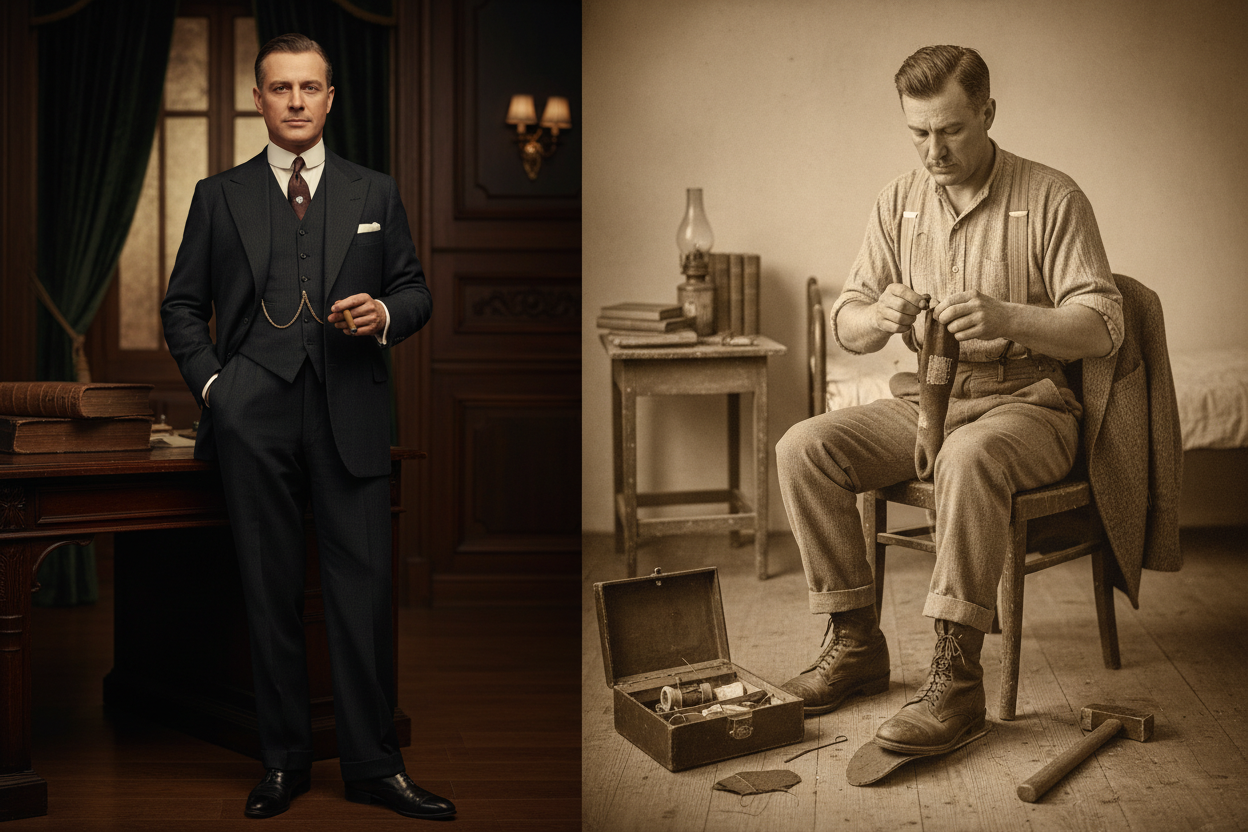
From the practical military-inspired garments born out of wartime necessity to the rebellious styles that emerged during cultural revolutions, men’s fashion has always been a mirror reflecting the world’s most significant moments. It’s not just about looking good – it’s about adapting, surviving, and expressing identity in response to global circumstances.
In this exploration of fashion history, we’ll uncover how world wars transformed formal wear, how economic crises sparked practical fashion innovations, and how modern global challenges continue to influence what’s trending in men’s closets today. Buckle up for a journey through time where geopolitics meets style, and where every outfit tells a story of human resilience and adaptation.
The Great Wars: Military Precision Meets Civilian Style ⚔️
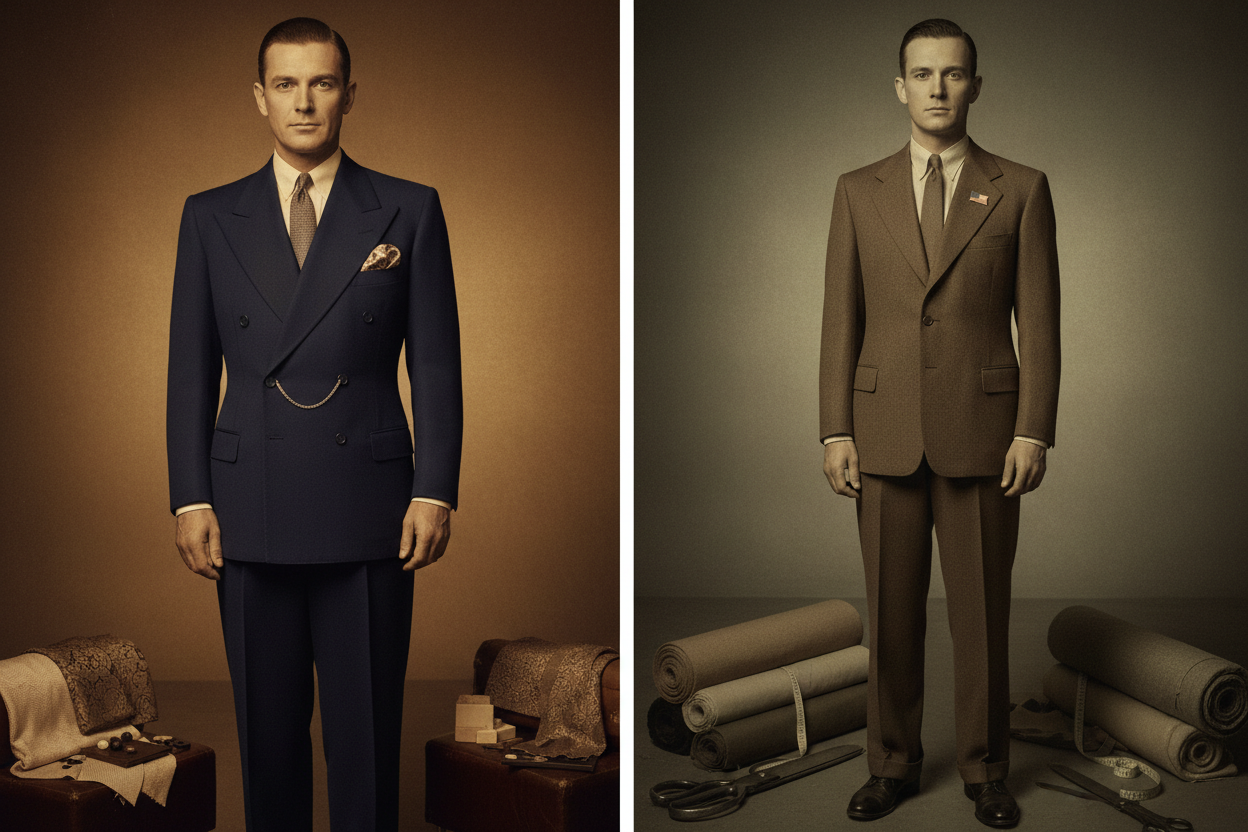
The two World Wars fundamentally transformed men’s fashion in ways that still influence modern menswear. During World War I, the practical needs of military life began seeping into civilian clothing. The trench coat, originally designed for British officers, became a timeless piece that remains a wardrobe staple over a century later.
World War II had an even more profound impact on men’s fashion. Fabric rationing led to the “Victory Suit” – characterized by shorter jackets, narrower lapels, and trouser cuffs that were eliminated to save material. This wasn’t just about fashion; it was about patriotic duty. Men’s clothing became simpler, more functional, and less ornate as resources were redirected to the war effort.
The military influence extended beyond just practicality. The clean, structured lines of military uniforms inspired a new aesthetic of masculine dress that emphasized discipline and order. Shoulder pads in suits became more pronounced, mimicking military silhouettes, while color palettes shifted toward more subdued, utilitarian tones like khaki, navy, and gray.
Perhaps most significantly, these wars democratized men’s fashion. When millions of men from different social classes served together, traditional class-based dress codes began to blur. The result was a more standardized approach to men’s clothing that would dominate fashion for decades to come.
Economic Upheavals: From Depression Practicality to Post-War Prosperity 💰
The Great Depression of the 1930s taught men to value durability over luxury in their clothing choices. During these lean years, fashion became about making do with less – mending clothes instead of buying new ones, and investing in pieces that would last. This period saw the rise of more casual wear as formal business attire became less practical for men who might not have steady employment.
Interestingly, the economic hardship also sparked innovation. Men began mixing and matching separates more creatively, leading to the popularization of sport coats worn with different trousers – a combination that was previously considered inappropriate in formal settings.
The post-war economic boom of the 1950s created a stark contrast. Suddenly, men had disposable income again, and fashion reflected this newfound prosperity. The “Organization Man” look emerged – characterized by conservative gray flannel suits, white shirts, and narrow ties. This uniform-like approach to business dress symbolized stability and success in the new corporate America.
The 1970s oil crisis and economic stagflation influenced men’s fashion toward more relaxed, less expensive clothing options. Polyester became popular not just for its modern appeal, but because it was affordable and easy to care for. The economic practicality of the era directly translated into fashion choices that prioritized convenience and cost-effectiveness.
Cultural Revolutions: Breaking Traditional Boundaries 🎭
The 1960s counterculture movement didn’t just change music and politics – it revolutionized men’s fashion. Young men began rejecting the conservative suits of their fathers in favor of more expressive, individualistic clothing. The “Peacock Revolution” saw men embracing color, pattern, and styles that had previously been considered too feminine or unconventional.
This cultural shift was partly a response to global events like the Vietnam War and the civil rights movement. Fashion became a form of protest, with long hair, colorful shirts, and casual wear serving as visual statements against established authority. The traditional rules of masculine dress were deliberately broken as men sought to express their opposition to conventional society.
The punk movement of the 1970s, emerging from economic and social frustration in both the UK and US, created an entirely new aesthetic that influenced mainstream fashion. Ripped clothing, safety pins, and unconventional combinations challenged every notion of appropriate male dress. This wasn’t just fashion – it was social commentary expressed through clothing.
The hip-hop culture that emerged in the 1980s and 1990s brought street fashion into the mainstream, influenced by the experiences of marginalized communities. Oversized clothing, athletic wear as everyday dress, and brand consciousness became central to men’s fashion, reflecting broader cultural shifts toward casual dress and the celebration of urban culture.
Technology Boom: Digital Age Fashion Innovation 💻
The rise of Silicon Valley and the tech industry in the late 20th and early 21st centuries created an entirely new dress code for men. The traditional suit-and-tie business uniform was replaced by the “tech casual” look – jeans, sneakers, and hoodies became acceptable, even preferred, professional attire in many industries.
This shift reflected the values of the technology sector: innovation over tradition, comfort over formality, and merit over appearance. Steve Jobs’ iconic black turtleneck became a symbol of this new approach to professional dress, where simplicity and functionality were valued over conventional business attire.
The technology boom also accelerated the pace of fashion change through digital communication and e-commerce. Men could now access global fashion trends instantly, leading to faster adoption of new styles and a more diverse range of fashion influences. Social media platforms created new fashion influencers and democratized style inspiration.
Smart fabrics and wearable technology began integrating into men’s fashion, reflecting our increasingly connected world. From moisture-wicking athletic wear to suits with built-in charging capabilities for devices, technology became embedded in the very fabric of men’s clothing.
Global Pandemics: Remote Work’s Impact on Men’s Style 🏠
The COVID-19 pandemic of 2020-2021 created perhaps the most dramatic shift in men’s fashion since World War II. Suddenly, millions of men found themselves working from home, leading to what fashion experts called the “waist-up” phenomenon – where professional appearance was only necessary for video calls from the chest up.
This global event accelerated trends that had been slowly developing for years. Athleisure wear, which had been gaining popularity, became the dominant fashion choice as comfort took precedence over traditional professional appearance. Sweatpants sales skyrocketed while suit sales plummeted.
The pandemic also sparked innovation in men’s fashion. Designers began creating “hybrid” pieces – clothing that looked professional enough for video calls but felt as comfortable as loungewear. The “business mullet” concept emerged: professional on top, casual on bottom.
Face masks became a new fashion accessory, with men coordinating mask colors and patterns with their outfits. This global health crisis literally changed the face of fashion, making facial coverings a consideration in daily dress choices for the first time in modern history.
Climate Change: Sustainable Fashion Takes Center Stage 🌱
Growing awareness of climate change has fundamentally altered how men approach fashion consumption. The environmental impact of fast fashion has led to increased interest in sustainable, ethically-produced clothing. Men are increasingly choosing quality over quantity, investing in fewer, better-made pieces that will last longer.
This global environmental concern has sparked innovation in sustainable materials. From recycled ocean plastic turned into athletic wear to lab-grown leather alternatives, the fashion industry is responding to climate consciousness with new eco-friendly options for men’s clothing.
The concept of a “capsule wardrobe” has gained popularity among environmentally conscious men. This approach emphasizes versatile, high-quality pieces that can be mixed and matched to create multiple outfits, reducing the overall environmental footprint of one’s wardrobe.
Vintage and second-hand clothing have also experienced a renaissance as men seek to reduce their environmental impact while maintaining style. Thrift shopping and vintage hunting have become fashionable activities, turning sustainability into a style statement.
Political Movements: Fashion as Social Commentary ✊
Throughout history, men have used fashion to express political beliefs and social affiliations. The Black Panther movement of the 1960s influenced men’s fashion with leather jackets and berets becoming symbols of resistance and empowerment. These pieces transcended their practical function to become powerful political statements.
The fall of the Berlin Wall and the end of the Cold War opened up new fashion influences as Eastern European styles mixed with Western trends. The globalization of fashion accelerated, with men’s clothing reflecting a more interconnected world.
Recent political movements have continued this tradition. The rise of nationalism in various countries has influenced fashion choices, with some men gravitating toward clothing that emphasizes national identity or traditional masculine aesthetics as a form of political expression.
Conversely, progressive political movements have encouraged men to experiment with traditionally feminine elements in their clothing, challenging gender norms through fashion choices. This has led to increased acceptance of men wearing pink, floral patterns, and more fitted or flowing silhouettes.
The Digital Revolution: Social Media’s Fashion Influence 📱
The rise of social media platforms like Instagram, TikTok, and Pinterest has revolutionized how men discover and engage with fashion. Global fashion trends can now spread virtually overnight, with influencers and celebrities instantly reaching millions of men worldwide.
This digital connectivity has democratized fashion influence. Men no longer rely solely on traditional fashion magazines or retail stores for style inspiration. Instead, they can follow fashion influencers from around the world, creating a more diverse and global approach to men’s style.
The phenomenon of “outfit of the day” posts has also changed how men think about their daily clothing choices. Fashion has become more performative, with many men considering how their outfits will appear in photos and social media posts.
E-commerce platforms and fashion apps have made global fashion more accessible than ever. Men can now purchase clothing from international brands with a few taps on their smartphones, breaking down geographical barriers that once limited fashion choices.
Conclusion: The Continuing Evolution 🔄
The relationship between global events and men’s fashion is far from over. As we face new challenges like artificial intelligence, space exploration, and continued climate change, men’s fashion will undoubtedly continue to evolve in response to these global developments.
What’s fascinating is how consistently men’s fashion has adapted to reflect the needs, values, and circumstances of each era. From the practical military influences of wartime to the comfort-focused changes brought by a global pandemic, clothing has always been more than just fabric and thread – it’s been a reflection of human experience and adaptation.
Understanding this historical context helps us appreciate that fashion isn’t frivolous or superficial. Instead, it’s a legitimate form of cultural expression that documents how men have navigated the challenges and opportunities of their times. As we move forward, the clothes in our closets will continue to tell the story of our global experiences, one outfit at a time.
The next time you choose what to wear, remember that you’re participating in a tradition that spans centuries – using clothing to respond to, reflect, and sometimes resist the world around you. In this way, every man is both a product of history and a contributor to the ongoing story of how global events shape personal style.
Frequently Asked Questions ❓
How did World War II specifically change men’s suit design?
World War II led to fabric rationing, which resulted in the “Victory Suit” featuring shorter jackets, narrower lapels, no trouser cuffs, and fewer pleats. These changes were mandated by government regulations to conserve materials for the war effort.
Why did men’s fashion become more casual in the late 20th century?
The casualization of men’s fashion resulted from several global factors: the rise of youth culture in the 1960s, the tech industry’s informal dress codes, changing workplace dynamics, and a general shift toward comfort and individual expression over rigid formality.
How has climate change awareness affected men’s fashion choices?
Climate consciousness has led to increased demand for sustainable materials, quality over quantity purchasing, vintage and second-hand shopping, and the popularity of capsule wardrobes that minimize environmental impact.
What role did the COVID-19 pandemic play in changing men’s fashion?
The pandemic accelerated the trend toward comfortable, casual clothing due to remote work requirements. It also sparked innovation in hybrid professional-casual pieces and made face masks a new fashion consideration.
How do political movements influence men’s fashion trends?
Political movements often use fashion as a form of expression and identity. Examples include the Black Panthers’ leather jackets, punk fashion as anti-establishment protest, and recent movements challenging traditional gender norms in clothing.
Will global events continue to influence men’s fashion in the future?
Absolutely. As we face new global challenges like artificial intelligence, climate change, and space exploration, men’s fashion will continue to adapt and reflect these developments, just as it has throughout history.