
The Importance of Wearable Art: How Fashion Becomes a Canvas
The Importance of Wearable Art: How Fashion Becomes a Canvas
Fashion is more than just fabric and thread; it’s an ever-evolving form of self-expression. In recent years, the concept of wearable art has emerged, transforming fashion into a dynamic canvas. This blog post explores the significance of wearable art and how it revolutionizes the way we perceive clothing. Let’s delve into the world where fashion meets creativity and individuality. 🎨👗
Table of Contents
1. What is Wearable Art?
2. The Intersection of Fashion and Art
3. Cultural Significance and Representation
4. Environmental Impact and Sustainability
5. The Future of Wearable Art
6. FAQs
What is Wearable Art?
Wearable art is the fusion of art and fashion. It transcends traditional clothing designs by incorporating artistic elements, making each piece unique and expressive. This creative approach to fashion allows designers to push boundaries, creating garments that are not only functional but also visually captivating.
From avant-garde designs to hand-painted fabrics, wearable art challenges the conventional norms of fashion. It encourages individuals to wear their personality, beliefs, and stories, transforming every outfit into a statement piece. 🌟
The Intersection of Fashion and Art
Fashion and art have always shared a symbiotic relationship. Artists like Salvador Dalí and Yves Saint Laurent have blurred the lines between these two worlds, demonstrating that clothing can be an extension of art. In wearable art, this relationship becomes more pronounced, as designers draw inspiration from various art forms, including paintings, sculptures, and digital media.
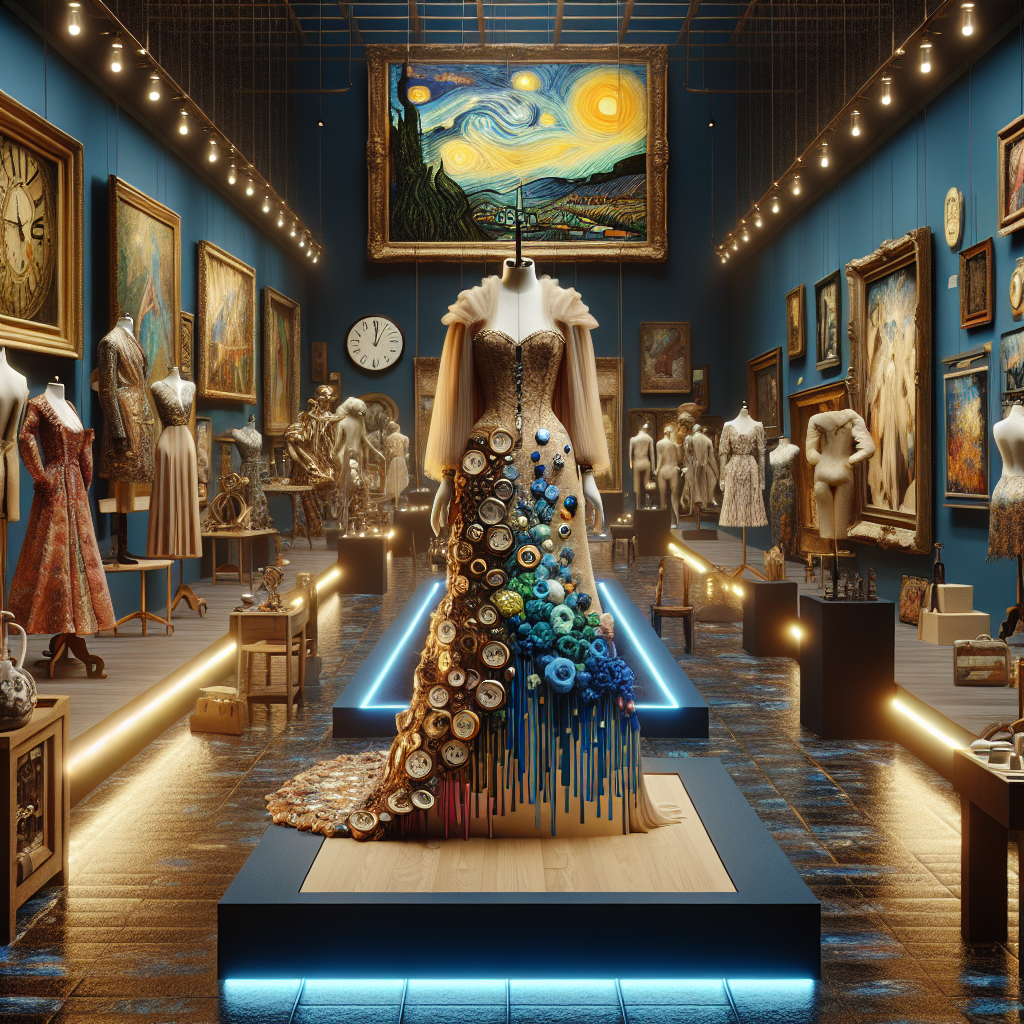
By integrating artistic elements into fashion, designers create pieces that are not only aesthetically pleasing but also thought-provoking. This intersection allows for a deeper exploration of themes such as identity, culture, and social issues, making fashion a powerful medium for storytelling. 📚
Cultural Significance and Representation
Wearable art plays a pivotal role in cultural representation. It provides a platform for artists and designers to showcase their heritage, traditions, and personal narratives. Through wearable art, marginalized communities can express their identities and challenge stereotypes, promoting diversity and inclusion within the fashion industry.
For example, indigenous artists often incorporate traditional motifs and techniques into their designs, celebrating their rich cultural heritage. This not only preserves traditional art forms but also educates the global audience about different cultures and histories. 🌍
Environmental Impact and Sustainability
In a world increasingly conscious of environmental issues, wearable art offers a sustainable alternative to fast fashion. Many artists and designers prioritize eco-friendly materials and ethical production practices, creating pieces that are both beautiful and sustainable.
By using recycled materials, natural dyes, and upcycled fabrics, wearable art promotes sustainability and reduces the environmental footprint of fashion. This approach encourages consumers to invest in timeless, high-quality pieces that stand the test of time, rather than disposable, mass-produced clothing. 🌱
The Future of Wearable Art
The future of wearable art is promising and exciting. As technology advances, the possibilities for innovation in fashion are endless. 3D printing, augmented reality, and smart textiles are some of the technologies that can revolutionize wearable art, offering new ways to blend fashion and technology.
Moreover, as consumers become more aware of the impact of their purchasing choices, the demand for unique, ethical, and meaningful fashion will continue to grow. Wearable art will play a significant role in shaping the future of the fashion industry, encouraging creativity, sustainability, and individuality. 🚀
FAQs
What is the difference between wearable art and traditional fashion?
Wearable art focuses on incorporating artistic elements into clothing, making each piece unique and expressive. Traditional fashion, on the other hand, often prioritizes functionality and trends.
How can I incorporate wearable art into my wardrobe?
You can start by looking for statement pieces that reflect your personality and values. Look for independent designers who prioritize sustainability and artistic expression.
Is wearable art expensive?
Wearable art can range in price depending on the materials used and the designer’s reputation. While some pieces may be more expensive due to their uniqueness and craftsmanship, there are affordable options available from emerging artists and designers.
Conclusion
Wearable art is a celebration of creativity, individuality, and cultural heritage. It transforms fashion into a canvas, allowing us to express our identities and tell our stories through clothing. As we move towards a more sustainable and inclusive future, wearable art will continue to inspire and redefine the boundaries of fashion. So, the next time you choose an outfit, remember that fashion can be more than just clothing; it can be a masterpiece. 🎨✨