
The Importance of a Well-Organized Wardrobe
The Importance of a Well-Organized Wardrobe: Transform Your Daily Routine and Style
Table of Contents
• Why Wardrobe Organization Matters More Than You Think
• The Psychology Behind an Organized Closet
• Time-Saving Benefits of Wardrobe Organization
• Financial Advantages of Knowing Your Closet
• Essential Steps to Organize Your Wardrobe
• Maintaining Your Organized Wardrobe System
• Common Wardrobe Organization Mistakes to Avoid
• Frequently Asked Questions
Picture this: It’s Monday morning, you’re already running late, and you’re standing in front of your closet feeling completely overwhelmed. Sound familiar? 😰 If you’ve ever experienced that sinking feeling of having “nothing to wear” while staring at a closet full of clothes, you’re not alone. A well-organized wardrobe isn’t just about aesthetics—it’s a game-changer that can transform your daily routine, boost your confidence, and even save you money.
In today’s fast-paced world, having an organized wardrobe has become more crucial than ever. It’s not just about keeping your clothes tidy; it’s about creating a system that works for your lifestyle, reflects your personal style, and makes getting dressed a joy rather than a chore. Let’s explore why investing time in organizing your wardrobe is one of the best decisions you can make for your daily life.
Why Wardrobe Organization Matters More Than You Think
Your wardrobe is more than just a storage space for clothes—it’s the foundation of how you present yourself to the world every single day. When your closet is chaotic, it creates a ripple effect that impacts various aspects of your life. You might find yourself wearing the same few items repeatedly simply because they’re easily accessible, while other perfectly good pieces remain buried and forgotten.
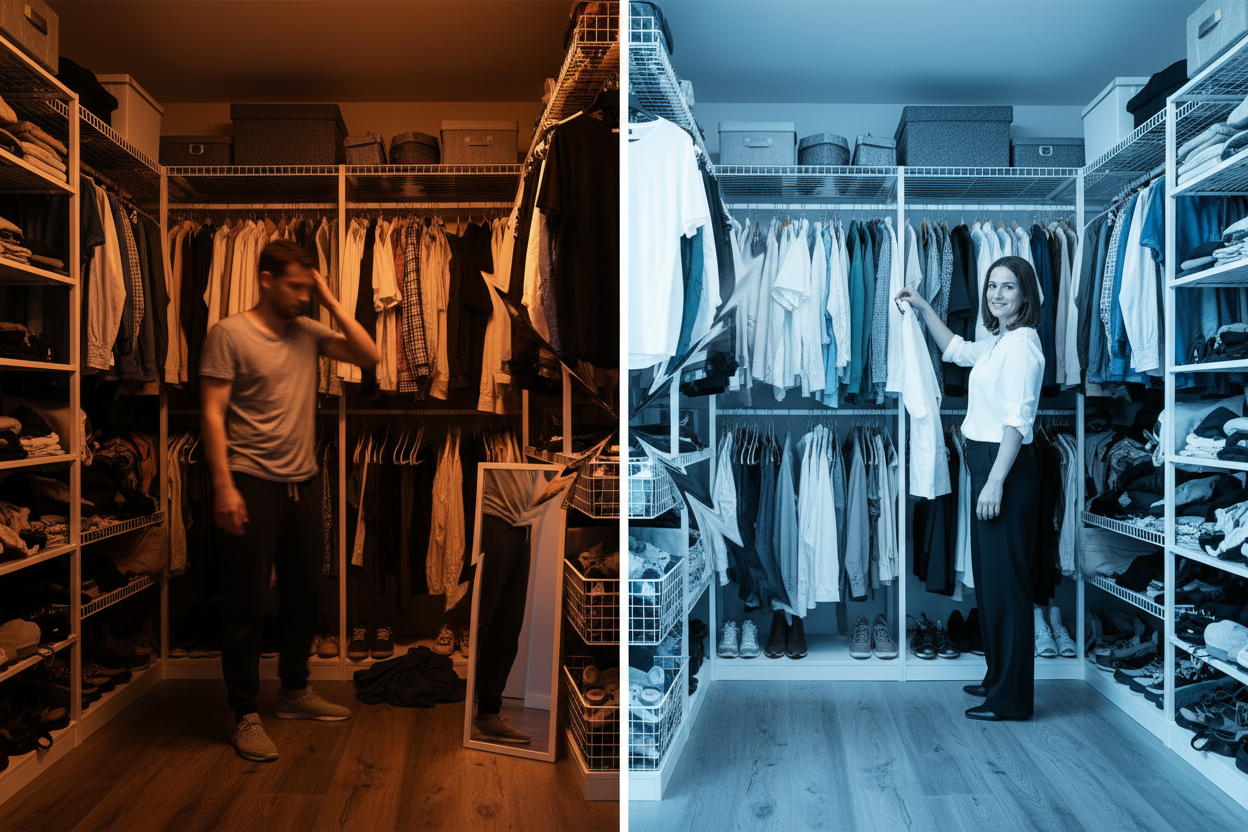
A well-organized wardrobe serves as your personal styling assistant, making it easy to see all your options at a glance. This visibility is crucial because it allows you to make intentional choices about what to wear rather than grabbing whatever’s within reach. When you can see everything you own, you’re more likely to experiment with different combinations and rediscover pieces you’d forgotten about.
Moreover, an organized closet reflects and influences your mindset. Just as a cluttered desk can make it harder to focus on work, a disorganized wardrobe can leave you feeling scattered and unprepared for the day ahead. On the flip side, opening a neat, well-arranged closet can give you a sense of control and confidence that carries through your entire day.
The Psychology Behind an Organized Closet
There’s fascinating psychology at work when it comes to wardrobe organization. Our environment significantly impacts our mental state, and this extends to our personal spaces, including our closets. When your wardrobe is organized, it reduces decision fatigue—that mental exhaustion that comes from making too many choices throughout the day.
Think about successful people like Steve Jobs or Mark Zuckerberg, who famously wore similar outfits daily to eliminate decision fatigue. While you don’t need to adopt a uniform approach, having an organized system makes choosing outfits effortless and preserves your mental energy for more important decisions throughout the day.
An organized wardrobe also promotes mindful consumption. When you can clearly see what you own, you’re less likely to make impulse purchases or buy duplicates of items you already have. This awareness leads to more thoughtful shopping decisions and helps you build a cohesive wardrobe that truly reflects your style and needs. ✨
Furthermore, the act of organizing itself can be therapeutic. Many people find the process of sorting, arranging, and decluttering to be meditative and stress-relieving. It’s a tangible way to create order in your life, which can be particularly satisfying during chaotic or uncertain times.
Time-Saving Benefits of Wardrobe Organization
One of the most immediate and noticeable benefits of a well-organized wardrobe is the time you’ll save every morning. The average person spends about 12 minutes each day deciding what to wear—that’s over an hour per week! When your closet is organized, this time can be cut dramatically.
With everything in its designated place, you can quickly locate specific items without rummaging through piles of clothes. Imagine being able to find that perfect blazer for your important meeting or your favorite jeans for a casual weekend outing in seconds rather than minutes. This efficiency is especially valuable during busy mornings when every minute counts.
An organized system also makes outfit planning easier. You can quickly assess your options and put together coordinated looks without the frustration of searching for matching pieces. Many people find that they can even plan their outfits for the week ahead when their wardrobe is well-organized, further streamlining their morning routine.
The time savings extend beyond daily dressing. When your wardrobe is organized, tasks like doing laundry, packing for trips, and seasonal clothing swaps become much more manageable. You’ll spend less time sorting through clothes and more time enjoying the activities that matter most to you.
Financial Advantages of Knowing Your Closet
A well-organized wardrobe can have a significant positive impact on your finances. When you can see everything you own, you become more aware of your shopping patterns and can make more informed purchasing decisions. This visibility helps prevent those frustrating moments when you buy something only to discover you already own something similar at home.
Organization also helps you maximize the value of your existing wardrobe. Those forgotten pieces hiding in the back of your closet represent money you’ve already spent. By organizing and rediscovering these items, you’re essentially expanding your wardrobe without spending a dime. It’s like shopping in your own closet! 💰
Additionally, when you know exactly what you have, you can identify gaps in your wardrobe more effectively. Instead of making random purchases, you can create a strategic shopping list for items that will truly enhance your existing collection. This targeted approach leads to better investment pieces that you’ll wear frequently rather than impulse buys that sit unworn.
Proper organization also helps preserve your clothes, extending their lifespan and protecting your investment. When clothes are stored correctly—hung properly, folded neatly, and protected from damage—they maintain their appearance longer, reducing the need for frequent replacements.
Essential Steps to Organize Your Wardrobe
Ready to transform your closet? The key to successful wardrobe organization is approaching it systematically. Start by completely emptying your closet—yes, everything must come out! This might seem overwhelming, but it’s essential for seeing the full scope of what you’re working with.
Once everything is out, sort your clothes into three categories: keep, donate, and toss. Be honest about what you actually wear and what fits your current lifestyle. If you haven’t worn something in over a year, it’s probably time to let it go. Remember, the goal is to create a wardrobe filled with pieces you love and actually wear.
After decluttering, clean your closet thoroughly before putting anything back. This is also a great time to assess your storage solutions. Invest in quality hangers—they make a surprising difference in how your clothes look and how much space you can utilize. Consider adding organizers like shelf dividers, drawer inserts, or hanging organizers to maximize your space.
When reorganizing, group similar items together. Keep all your work shirts in one section, casual tops in another, and so on. Within each category, you might organize by color or frequency of use. The key is creating a system that makes sense to you and that you can maintain consistently.
Maintaining Your Organized Wardrobe System
Creating an organized wardrobe is just the beginning—maintaining it is where the real challenge lies. The good news is that with the right habits, keeping your closet organized becomes second nature. The most important rule is the “one in, one out” principle. Whenever you buy something new, consider removing something you no longer wear. This prevents accumulation and keeps your wardrobe manageable.
Develop a routine for putting clothes away properly. Instead of tossing items on a chair or leaving them in a pile, take the extra few seconds to hang or fold them correctly. This small habit prevents the gradual decline back into chaos that many people experience after organizing.
Schedule regular mini-decluttering sessions, perhaps at the change of each season. Use these times to assess what you’ve worn, what you haven’t, and what might need to be retired or donated. This ongoing maintenance is much easier than doing a complete overhaul every few years.
Consider implementing a “try-on rule” where you periodically try on pieces you haven’t worn in a while. Sometimes we avoid certain clothes simply because we’ve forgotten how good they look on us. This practice can help you rediscover forgotten favorites and identify items that truly no longer serve you. 👗
Common Wardrobe Organization Mistakes to Avoid
Even with the best intentions, it’s easy to make mistakes when organizing your wardrobe. One of the most common errors is trying to organize without decluttering first. You can’t effectively organize clothes you don’t actually want or need. Always start with a thorough edit of your collection.
Another frequent mistake is choosing organizational systems that don’t match your lifestyle or personality. If you’re not naturally neat, don’t create a system that requires perfect folding or precise spacing. Choose methods that you can realistically maintain given your habits and schedule.
Many people also make the mistake of organizing based on trends or what looks good on social media rather than what works for their specific space and needs. Your closet organization should be functional first and Instagram-worthy second. Focus on creating a system that makes your daily routine easier, not one that just looks pretty in photos.
Finally, avoid the perfectionism trap. Your wardrobe doesn’t need to be perfectly organized 100% of the time. Life happens, and sometimes clothes get a bit disheveled. The goal is to have a system that’s easy to reset when needed, not to maintain museum-level perfection at all times.
Frequently Asked Questions
How often should I reorganize my entire wardrobe?
A complete wardrobe overhaul should only be necessary every few years or when you experience major life changes. However, regular maintenance sessions every 3-6 months help keep your closet in good shape and prevent the need for major reorganizations.
What’s the best way to organize clothes by season?
Store out-of-season clothes in less accessible areas of your closet or in storage bins. Keep current season items at eye level and easily reachable. As seasons change, rotate your clothes to keep the most relevant items front and center.
Should I organize by color or by clothing type?
Most organization experts recommend organizing by clothing type first (all shirts together, all pants together), then by color within each category. This method makes it easier to find specific items and create coordinated outfits.
How can I organize a small closet effectively?
Maximize vertical space with double-hang rods, use slim hangers to save space, and consider over-the-door organizers. Focus on keeping only items you truly love and wear regularly, as space constraints make decluttering even more important.
What should I do with clothes I’m unsure about keeping?
Create a “maybe” box for items you’re uncertain about. Store it for six months, and if you don’t reach for anything in the box during that time, donate the contents. This helps you make decisions without the pressure of permanent commitment.
A well-organized wardrobe is truly one of life’s simple pleasures that pays dividends every single day. From saving precious morning minutes to boosting your confidence and protecting your clothing investments, the benefits extend far beyond just having a tidy closet. The key is finding an organizational system that works for your lifestyle and committing to maintaining it with simple, consistent habits.
Remember, the perfect wardrobe isn’t about having the most clothes or the most expensive pieces—it’s about creating a curated collection that serves your life well. When every item in your closet is something you genuinely like and feel good wearing, getting dressed becomes a joy rather than a chore. Start small, be patient with the process, and celebrate the positive changes that come with having a beautifully organized wardrobe. Your future self will thank you every morning when you open those closet doors! 🌟