The Impact of Politics on Men’s Style Choices
The Impact of Politics on Men’s Style Choices
Fashion and politics might seem worlds apart, but the truth is, they often intersect in fascinating ways. Men’s style choices have historically been influenced by political climates, ideologies, and figures. From the power suits of the Reagan era to the casual elegance of Obama, politics has left an indelible mark on how men dress. In this blog post, we will explore how political movements and leaders have shaped men’s fashion through the decades.
Introduction
The connection between politics and men’s style is more profound than one might think. Each political era brings its own set of societal norms and attitudes, which inevitably seep into the world of fashion. Whether it’s through legislation, cultural shifts, or the personal styles of political figures, men’s fashion has been molded and remolded by the political landscape. Let’s delve into how these influences have manifested over the years.
Political Figures as Style Icons
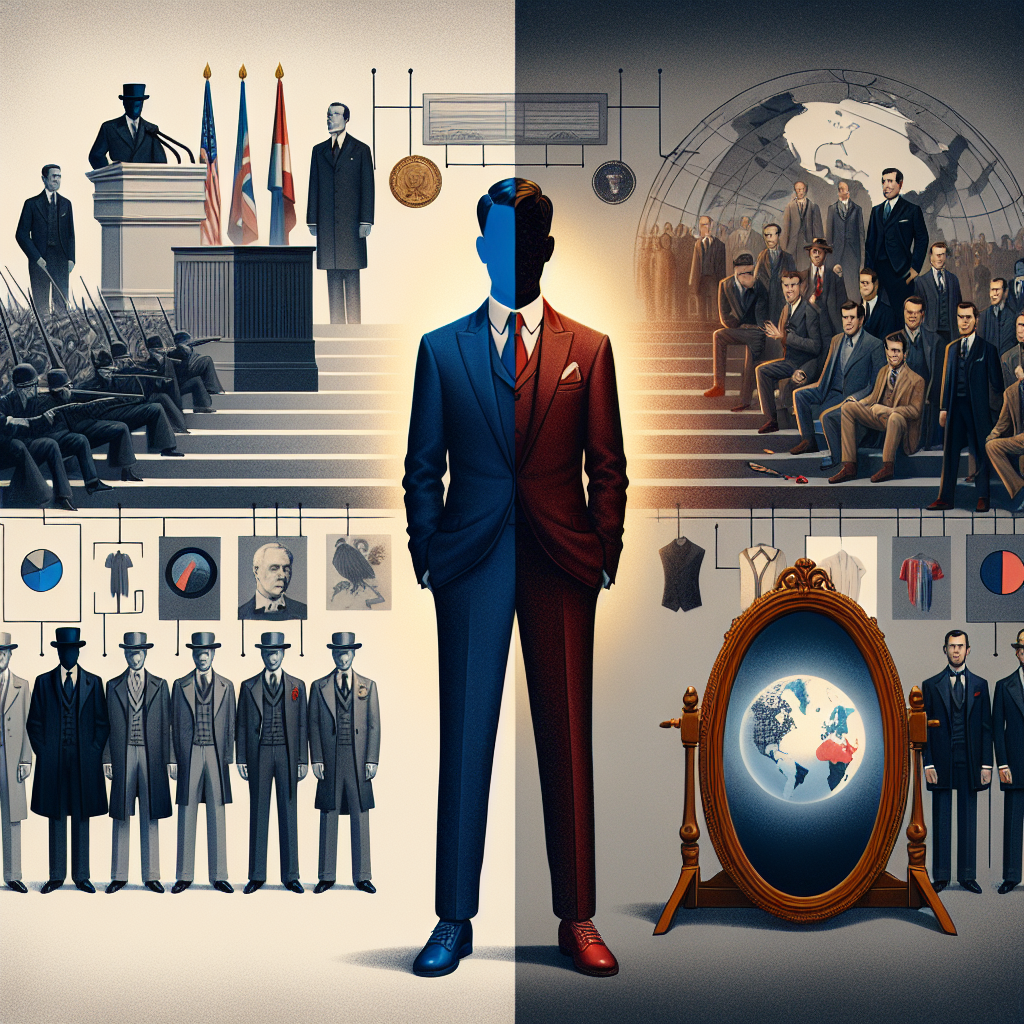
Throughout history, political leaders have set the tone for men’s fashion. Consider Winston Churchill, whose tailored suits and bow ties became synonymous with leadership and resilience during wartime. Fast forward to the 1960s, and John F. Kennedy’s clean-cut, preppy style captured the spirit of a new, youthful America. His penchant for slim-fit suits and casual elegance inspired a generation of men to embrace a more polished, yet relaxed look.
More recently, Barack Obama’s presidency brought a sense of modern sophistication to the White House. His well-fitted suits and casual weekend wear resonated with many, influencing a shift towards more contemporary styles in men’s fashion. Political figures often set trends, consciously or not, that ripple through society, impacting everything from the suits we wear to the colors we choose.
Political Movements and Fashion Statements
Beyond individual leaders, political movements themselves have a profound effect on men’s style. The 1960s and 70s, for example, were marked by the counterculture movement, which rejected traditional norms and embraced more eclectic and expressive fashion choices. Bell-bottoms, psychedelic shirts, and long hair became symbols of rebellion against the status quo.
The conservative wave of the 1980s brought back a focus on power dressing. The “yuppie” culture of the time, influenced by political conservatism, saw men donning sharp, structured suits and bold ties as a statement of ambition and success. This era emphasized a return to more traditional, corporate styles, reflecting the political and economic ideologies of the time.
Global Politics and Cultural Exchange
Global politics also plays a role in shaping men’s fashion. As international relations evolve, so does the exchange of cultural and fashion influences. The rise of Asian economies, for example, has seen an increase in popularity of minimalist and functional fashion designs from countries like Japan and South Korea. The global political landscape affects trade, cultural exchange, and ultimately, the availability and popularity of certain styles worldwide.
Furthermore, political events such as Brexit and trade wars can impact the fashion industry by affecting supply chains and the availability of materials, which in turn influences style trends. In this interconnected world, politics and fashion are more intertwined than ever.
Conclusion
The impact of politics on men’s style choices is a testament to the intricate relationship between societal change and fashion. Political leaders, movements, and global events have all left their mark on the way men dress, illustrating how fashion serves not only as a reflection of personal taste but also as a mirror to the times. As political landscapes continue to evolve, so too will the sartorial choices of men around the world, creating a dynamic interplay between politics and style.
Table Of Contents
1. Introduction
2. Political Figures as Style Icons
3. Political Movements and Fashion Statements
4. Global Politics and Cultural Exchange
5. Conclusion
FAQs
Q: How do political leaders influence fashion?
A: Political leaders often become style icons, with their personal fashion choices setting trends that the public may emulate. Their influence can be direct, through public appearances, or indirect, through the cultural impact they have.
Q: Can political movements change fashion trends?
A: Yes, political movements often reflect broader societal changes that can influence fashion. For instance, the counterculture movement of the 60s and 70s promoted more relaxed and expressive clothing styles.
Q: How does global politics affect men’s fashion?
A: Global politics can affect fashion through cultural exchange, trade agreements, and economic policies, impacting everything from material availability to prevailing style trends.
In the world of fashion, politics isn’t just a backdrop—it’s a powerful force that shapes trends and influences personal style choices. Whether through the charisma of a leader or the spirit of a movement, politics leaves its mark on the fabric of fashion, one suit, and one statement at a time. 👔✨