The Impact of Global Events on Men’s Fashion Trends
The Impact of Global Events on Men’s Fashion Trends
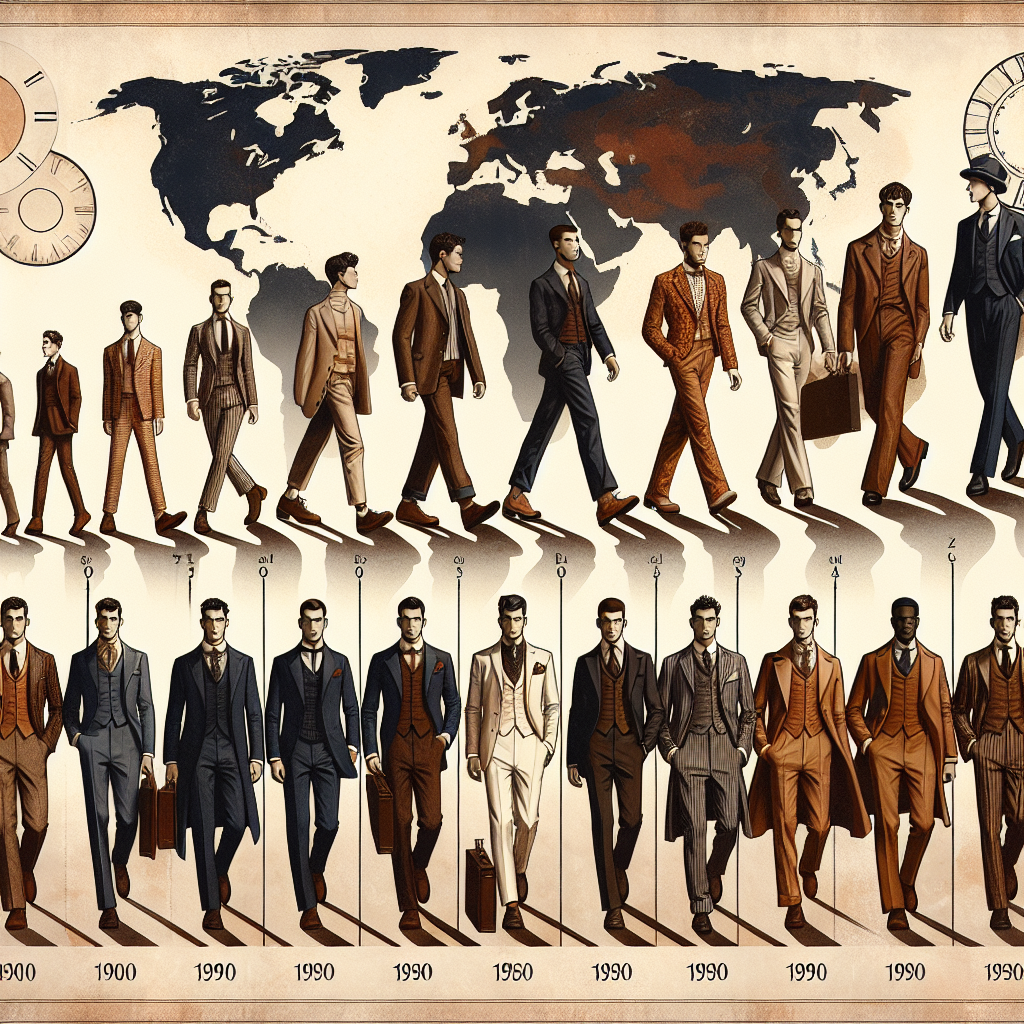
In the dynamic world of fashion, trends are not born in a vacuum. They are shaped and influenced by a myriad of factors, with global events playing a significant role. From world wars to economic downturns, these events have left an indelible mark on men’s fashion, dictating the ebb and flow of styles and preferences. Let’s delve into how these pivotal moments have sculpted the sartorial landscape for men over the decades.
Table of Contents
1. The Influence of World Wars on Men’s Fashion
2. Economic Crises and Their Fashionable Fallout
3. Technological Advancements and Fashion Evolution
4. Cultural Movements and Fashion Statements
5. The Pandemic’s Impact on Modern Men’s Fashion
FAQs
The Influence of World Wars on Men’s Fashion
The tumultuous periods of the First and Second World Wars had profound effects on men’s fashion. The necessity for practicality and uniformity during these times led to the popularization of utilitarian styles. Military-inspired clothing became the norm, with trench coats, bomber jackets, and cargo pants making their way into everyday wardrobes. The rationing of materials also meant that simplicity was key, leading to a minimalist approach that emphasized functionality over flair.
Economic Crises and Their Fashionable Fallout
Economic downturns, such as the Great Depression and the 2008 financial crisis, have historically steered fashion towards more affordable and durable options. During these times, men tended to favor timeless pieces over fleeting trends, seeking value in quality and longevity. The concept of “capsule wardrobes” emerged, prioritizing versatile clothing that could be mixed and matched to create multiple outfits. This shift towards practicality is a testament to how economic pressures can redefine fashion priorities.
Technological Advancements and Fashion Evolution
As technology has advanced, so too has its influence on fashion. The industrial revolution introduced mass production, making clothing more accessible and affordable. In recent years, the rise of e-commerce and social media has revolutionized how men shop and engage with fashion. Online platforms offer unprecedented access to global trends, while influencers and digital fashion shows set new standards for style. This digital age has democratized fashion, allowing men to express their individuality more freely.
Cultural Movements and Fashion Statements
Cultural shifts and movements have always been a powerful force in fashion. The 1960s brought about a wave of change with the counterculture movement, where men embraced bold patterns, vibrant colors, and eclectic styles as a form of rebellion. Similarly, the hip-hop movement of the 1980s and 1990s introduced streetwear into mainstream fashion, with baggy jeans, oversized shirts, and sneakers becoming staples in men’s wardrobes. These movements highlight fashion’s role as a mirror to societal changes and cultural evolution.
The Pandemic’s Impact on Modern Men’s Fashion
The recent COVID-19 pandemic has undoubtedly transformed men’s fashion once again. With remote work becoming the norm, the line between formal and casual wear has blurred. Comfort-centric clothing, like athleisure and loungewear, surged in popularity as men sought attire that was both functional for home and stylish for virtual meetings. Sustainability also took center stage, as the pandemic prompted a shift towards mindful consumption and eco-friendly choices.
Conclusion
Global events have consistently influenced men’s fashion trends, shaping styles and preferences in response to changing circumstances. Whether it’s the practicality born from wartime necessity or the comfort-driven choices sparked by a global pandemic, these events leave a lasting legacy on the fashion landscape. As we continue to navigate the ever-evolving world, it’s clear that men’s fashion will keep adapting, driven by the unfolding tapestry of global events.
FAQs
Q: How did World War II impact men’s fashion?
A: World War II popularized military-inspired clothing, such as trench coats and bomber jackets, and led to a minimalist, utilitarian approach due to material rationing.
Q: What role does technology play in men’s fashion today?
A: Technology has revolutionized men’s fashion by facilitating online shopping and global trend accessibility, allowing for more personalized and diverse style choices.
Q: How did the COVID-19 pandemic change men’s fashion trends?
A: The pandemic blurred the lines between formal and casual wear, leading to a rise in comfort-centric clothing like athleisure, and increased focus on sustainability.
Fashion is a reflection of our times, constantly evolving with the world around us. 🌍👔