The Connection Between Fashion and Emotional Expression
The Connection Between Fashion and Emotional Expression: How Your Wardrobe Speaks Your Heart 👗💭
Have you ever noticed how slipping into your favorite dress instantly lifts your mood? Or how choosing a bold red lipstick can make you feel more confident before an important meeting? The relationship between fashion and emotional expression runs deeper than most people realize. What we wear isn’t just about covering our bodies or following trends – it’s a powerful form of non-verbal communication that reflects our inner world, influences our emotions, and shapes how others perceive us.
Fashion serves as our daily armor, our creative canvas, and our emotional outlet all rolled into one. From the comfort of oversized sweaters on difficult days to the empowerment of a perfectly tailored blazer, our clothing choices reveal intimate details about our psychological state and personal journey. Understanding this connection can transform how we approach our wardrobes and, more importantly, how we understand ourselves.

Table of Contents
• The Psychology Behind Fashion Choices
• How Colors Influence Our Emotions and Mood
• Fashion as a Form of Self-Expression and Identity
• The Therapeutic Power of Dressing Up
• Cultural and Social Factors in Fashion Expression
• Building an Emotionally Intelligent Wardrobe
• The Impact of Fashion on Mental Health and Confidence
• Frequently Asked Questions
The Psychology Behind Fashion Choices 🧠
Every morning, we make dozens of micro-decisions about our appearance, often without realizing the psychological processes at work. These choices aren’t random – they’re deeply influenced by our emotional state, past experiences, and subconscious desires to communicate specific messages about ourselves.
Research in fashion psychology reveals that our clothing preferences are tied to various psychological factors, including our need for self-expression, social acceptance, and emotional regulation. When we’re feeling vulnerable, we might gravitate toward comfortable, concealing clothing. Conversely, when we’re confident and outgoing, we often choose more vibrant, attention-grabbing pieces.
The concept of “enclothed cognition” explains how the clothes we wear can actually influence our cognitive processes and behavior. Studies have shown that wearing certain types of clothing can enhance specific mental abilities – for instance, wearing a lab coat can improve attention to detail, while formal business attire can increase abstract thinking and negotiation skills.
How Colors Influence Our Emotions and Mood 🌈
Color psychology plays a crucial role in fashion’s emotional impact. Different hues can evoke specific feelings, both in the wearer and in those who observe them. Understanding these color associations can help us make more intentional wardrobe choices that align with our desired emotional state.
Red, often associated with passion, power, and confidence, can make us feel more assertive and energetic. It’s no coincidence that many people choose red outfits for important presentations or romantic dates. Blue, on the other hand, promotes feelings of calm and trustworthiness, making it a popular choice for professional settings and stressful situations.
Black remains the ultimate versatile color, offering sophistication and a sense of mystery while also providing emotional protection. Many people describe feeling more confident and put-together in black clothing. Meanwhile, bright colors like yellow and orange can boost mood and energy levels, making them excellent choices for combating seasonal depression or low-energy days.
Personal color preferences often reflect our personality traits and emotional needs. Someone drawn to earth tones might value stability and connection to nature, while those who favor bold, contrasting colors might have a more adventurous and expressive personality.
Fashion as a Form of Self-Expression and Identity ✨
Our clothing choices serve as a visual autobiography, telling the story of who we are, where we’ve been, and where we’re going. Fashion allows us to experiment with different aspects of our personality and communicate our values, interests, and cultural affiliations without saying a word.
For many people, developing a personal style is an ongoing journey of self-discovery. Teenagers often use fashion to explore their identity and assert their independence from their parents. Adults might use clothing to reinforce their professional image or to express creativity that their job doesn’t allow for.
Subcultures have long used fashion as a form of group identity and rebellion against mainstream norms. From the punk movement’s safety pins and leather jackets to the bohemian style’s flowing fabrics and natural materials, clothing becomes a way to signal belonging and shared values.
The rise of sustainable and ethical fashion has created new opportunities for values-based expression. Many consumers now choose clothing that reflects their environmental consciousness or support for fair labor practices, making their wardrobe a statement about their principles and priorities.
The Therapeutic Power of Dressing Up 💫
Fashion therapy, also known as dress therapy, is an emerging field that recognizes the healing potential of clothing and personal style. This approach uses fashion as a tool for building self-esteem, processing emotions, and facilitating personal growth.
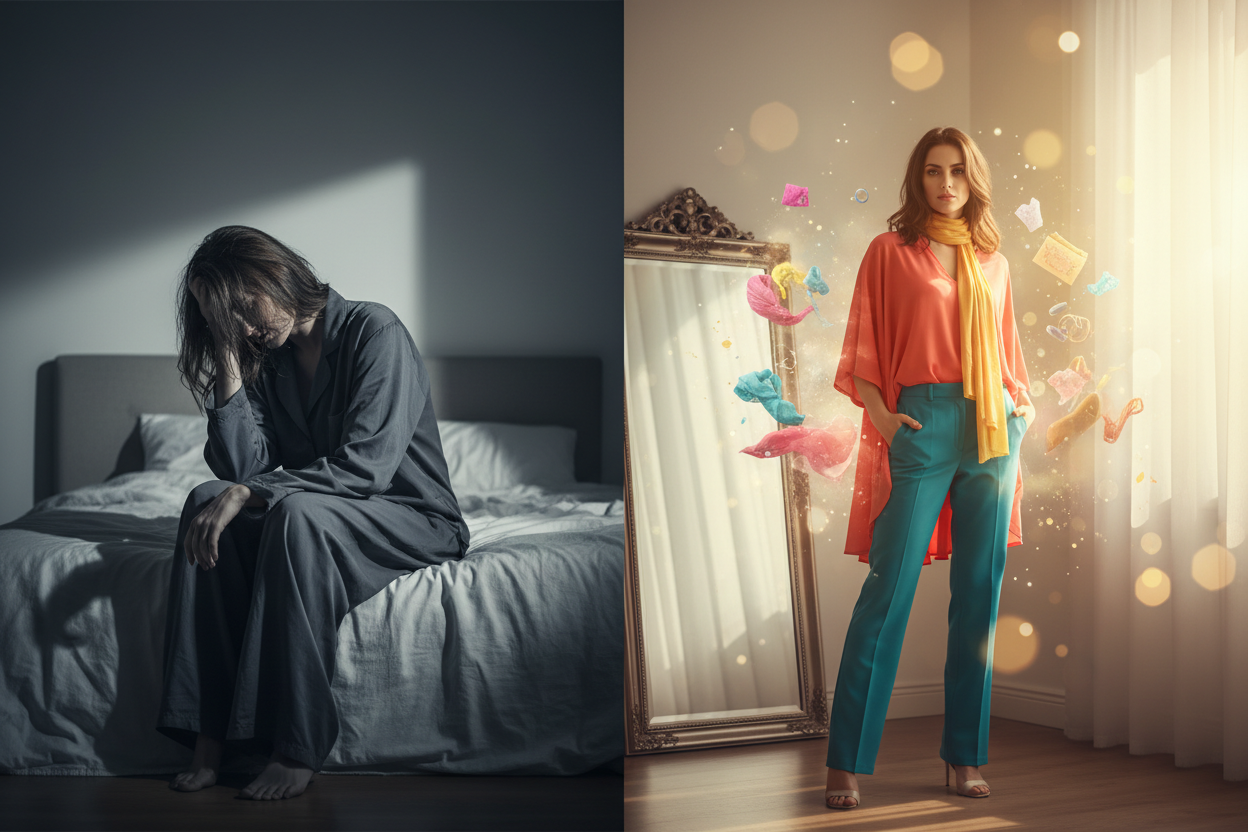
The simple act of getting dressed with intention can be incredibly therapeutic. When we’re going through difficult times, taking the time to choose an outfit that makes us feel good can be a form of self-care and a way to regain a sense of control. Many therapists encourage clients to dress for the mood they want to achieve rather than the mood they’re currently in.
Retail therapy, while sometimes dismissed as superficial, can provide genuine emotional benefits when approached mindfully. The process of shopping for and trying on new clothes can boost dopamine levels and provide a temporary escape from stress. However, it’s important to distinguish between healthy fashion exploration and compulsive shopping behaviors.
For individuals recovering from trauma or dealing with body image issues, working with a fashion therapist can help rebuild confidence and develop a healthier relationship with their physical appearance. This might involve gradually experimenting with different styles or colors that feel emotionally safe.
Cultural and Social Factors in Fashion Expression 🌍
Fashion doesn’t exist in a vacuum – it’s deeply influenced by cultural norms, social expectations, and historical context. Understanding these factors helps us recognize how external forces shape our clothing choices and emotional responses to fashion.
Different cultures have varying relationships with fashion and emotional expression. In some societies, modest dress is valued as a sign of respectability and self-control, while others celebrate bold, expressive fashion as a mark of creativity and individuality. These cultural values influence how people feel about their clothing choices and what emotions they’re comfortable expressing through fashion.
Social media has dramatically changed how we think about fashion and emotional expression. Platforms like Instagram and TikTok have created new pressures to constantly present a curated, stylish image, which can both inspire creativity and create anxiety about appearance. The rise of fashion influencers has also democratized style advice while sometimes promoting unrealistic standards.
Economic factors play a significant role in fashion accessibility and emotional expression. While high-end designer pieces might feel emotionally satisfying to some, others find equal joy and self-expression in thrift store finds or DIY fashion projects. The key is finding ways to express yourself authentically within your means.
Building an Emotionally Intelligent Wardrobe 👚
Creating a wardrobe that supports your emotional well-being involves more than following trends or buying expensive pieces. It requires developing awareness of how different clothing items make you feel and building a collection that serves various emotional needs.
Start by conducting a closet audit with emotional awareness. As you go through your clothes, pay attention to how each piece makes you feel. Keep items that bring joy, confidence, or comfort, and consider donating pieces that consistently make you feel bad about yourself or don’t align with your authentic style.
Invest in versatile pieces that can be styled for different moods and occasions. A well-fitted blazer might make you feel professional and confident, while a cozy cardigan provides comfort and security. Having options for various emotional states ensures you’re prepared for whatever life throws your way.
Consider creating a “mood board” or style journal to track which outfits make you feel your best and in what circumstances. This can help you identify patterns in your emotional responses to different clothing combinations and make more intentional choices in the future.
The Impact of Fashion on Mental Health and Confidence 💪
The relationship between fashion and mental health is complex and deeply personal. For some people, fashion serves as a powerful tool for building confidence and managing mental health challenges. For others, fashion-related pressures can contribute to anxiety, depression, and body image issues.
Positive fashion experiences can significantly boost self-esteem and mood. The confidence that comes from wearing an outfit you love can create a positive feedback loop, influencing how you carry yourself and interact with others. This increased confidence often leads to better social and professional outcomes, further reinforcing positive feelings about appearance and self-worth.
However, it’s important to recognize when fashion becomes a source of stress rather than joy. Signs of an unhealthy relationship with fashion might include spending beyond your means on clothing, feeling intense anxiety about appearance, or using shopping as the primary coping mechanism for emotional distress.
Developing a healthy relationship with fashion involves finding balance – appreciating the joy and self-expression that clothing can provide while not allowing appearance to become the sole source of self-worth. This might mean setting boundaries around social media consumption, practicing gratitude for your body’s functionality, or seeking professional help if fashion-related anxiety becomes overwhelming.
Conclusion
The connection between fashion and emotional expression is both profound and personal. Our clothing choices reflect our inner world while simultaneously shaping our emotions, confidence, and interactions with others. By understanding this relationship, we can make more intentional decisions about our wardrobes and use fashion as a tool for emotional well-being and authentic self-expression.
Remember that there’s no “right” way to express yourself through fashion. Whether you prefer minimalist basics, bold statement pieces, or vintage treasures, the most important thing is that your choices feel authentic to you and support your emotional needs. Fashion should be a source of joy and empowerment, not stress or self-judgment.
As you continue your fashion journey, pay attention to how different clothing choices make you feel, and don’t be afraid to experiment with new styles that reflect different aspects of your personality. Your wardrobe is a powerful tool for emotional expression – use it wisely and with intention. 🌟
Frequently Asked Questions
How can I use fashion to improve my mood on difficult days?
Choose clothing in colors that energize you, wear pieces that fit well and feel comfortable, and select items that hold positive memories or make you feel confident. Sometimes, simply changing into “real” clothes instead of staying in pajamas can provide a psychological boost.
Is it normal to feel emotional attachment to certain clothing items?
Absolutely! Many people form emotional connections to clothing items that are associated with important memories, achievements, or periods of their lives. These attachments are completely normal and can be a healthy part of self-expression.
How can I express my personality through fashion on a tight budget?
Focus on accessories, thrift shopping, clothing swaps with friends, DIY modifications to existing pieces, and investing in a few key items that can be mixed and matched in multiple ways. Creativity often matters more than cost when it comes to personal style.
Can the way I dress really affect my performance at work or school?
Yes, research shows that clothing can influence both how others perceive you and how you perceive yourself. Dressing appropriately for your environment while incorporating elements that make you feel confident can positively impact your performance and interactions.
What should I do if fashion and shopping have become sources of stress or financial strain?
Consider setting a clothing budget, practicing mindful shopping habits, exploring the emotional triggers behind compulsive shopping, and seeking support from friends, family, or professionals if needed. Remember that true style comes from creativity and confidence, not from expensive purchases.