The Connection Between Fashion and Cultural Movements
The Connection Between Fashion and Cultural Movements
Fashion is not just about clothing; it’s a powerful form of communication and expression that has deep-rooted connections with cultural movements throughout history. From the suffragette suits of the early 20th century to the punk rock rebellion of the 1970s, fashion has continually mirrored societal shifts and cultural transformations. In this blog post, we will explore the fascinating interplay between fashion and cultural movements, shedding light on how what we wear often reflects our values, beliefs, and aspirations.
Table of Contents
1. Introduction to Fashion and Culture
2. Early Cultural Movements and Their Fashion Statements
3. The Swinging Sixties: A Revolution in Style
4. Punk, Hip-Hop, and the Rebellious Attitude
5. Contemporary Fashion and Cultural Identity
6. Conclusion
7. FAQs
Introduction to Fashion and Culture
Fashion has always been intertwined with culture, serving as a canvas upon which societal narratives are painted. Each stitch and fabric choice can tell a story about the time and place from which it originates. But how does fashion influence culture, and vice versa? To answer this, we need to examine key historical moments where clothing and social movements have aligned to create lasting impacts.
Early Cultural Movements and Their Fashion Statements
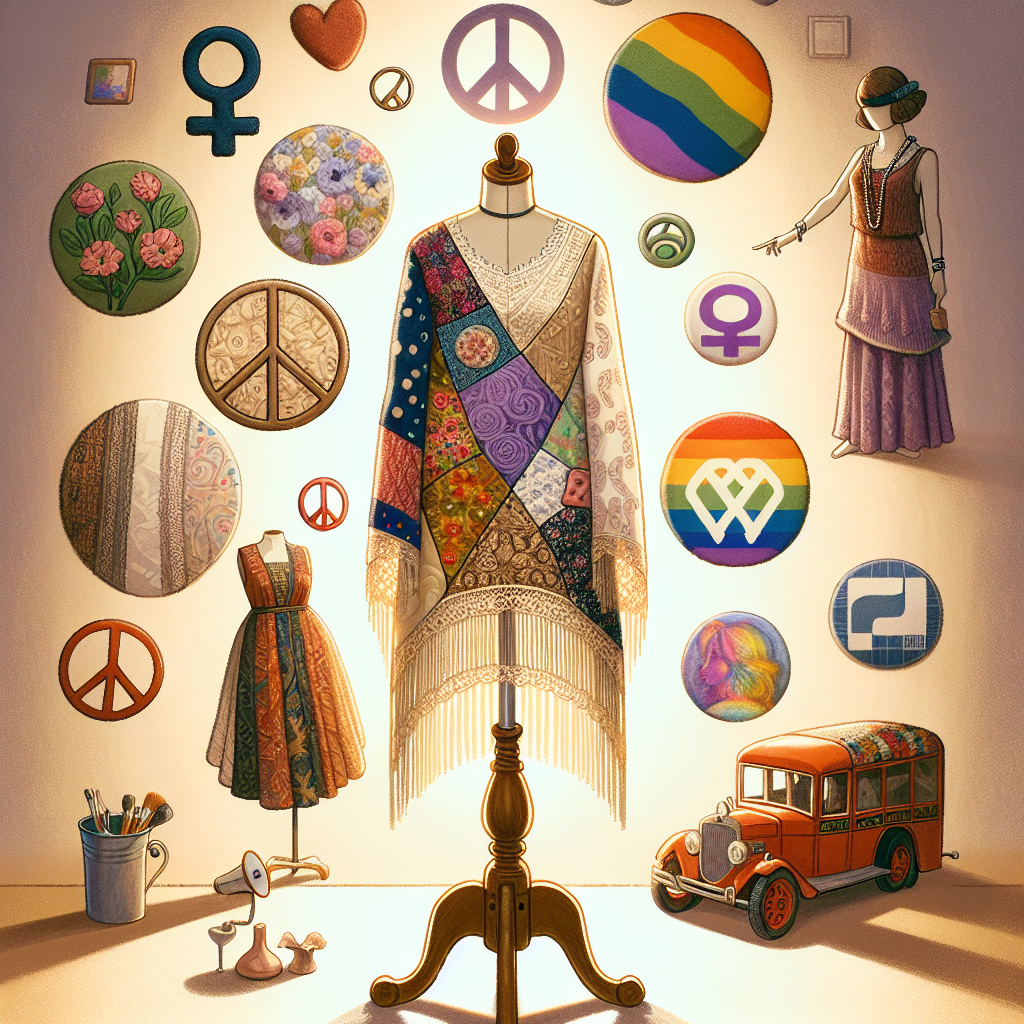
In the early 1900s, the suffragette movement was a pivotal force for change, advocating for women’s right to vote. Fashion played a crucial role in this movement. Suffragettes adopted a recognizable style that included tailored suits and symbolic colors like white, green, and purple. These choices were not just about aesthetics; they were strategic, designed to project an image of respectability and strength while challenging traditional gender roles.
The 1920s brought the flapper era, symbolizing newfound freedom for women. Flappers wore shorter skirts and bobbed hair, signaling a break from the restrictive fashions of the past. This was more than a fashion statement; it was a declaration of independence and a celebration of the jazz age’s vibrant cultural shifts.
The Swinging Sixties: A Revolution in Style
The 1960s were a time of significant social upheaval, marked by movements for civil rights, women’s liberation, and anti-war protests. The fashion of the era was equally revolutionary. The mod style, characterized by bold prints, mini skirts, and go-go boots, reflected a youthful rebellion against the status quo.
During this decade, fashion also became more inclusive, with designers drawing inspiration from non-Western cultures. The adoption of ethnic prints and styles was a nod to the growing global consciousness and the quest for equality and peace.
Punk, Hip-Hop, and the Rebellious Attitude
The late 1970s and 1980s saw the rise of punk and hip-hop, two cultural movements that used fashion as a form of resistance. Punk fashion, with its ripped clothes, safety pins, and bold hairstyles, was a direct challenge to the mainstream. It was about rejecting consumerism and societal norms, a sentiment echoed in the music and ethos of the movement.
Hip-hop fashion, on the other hand, emerged from the streets of New York City. Oversized clothing, gold chains, and sneakers became symbols of identity and pride within marginalized communities. This style was a powerful expression of resilience and creativity, influencing global fashion trends for decades to come.
Contemporary Fashion and Cultural Identity
Today, fashion continues to be a reflection of cultural identity and societal change. The sustainability movement has influenced fashion, with more brands embracing eco-friendly practices and consumers demanding transparency. Meanwhile, the rise of digital platforms has democratized fashion, allowing for a more diverse range of voices and styles to emerge.
Fashion has also become a platform for social activism, with designers and influencers using their platforms to advocate for issues such as gender equality, LGBTQ+ rights, and racial justice. This modern intersection of fashion and culture underscores the power of clothing as a tool for change and a reflection of our collective values.
Conclusion
The dynamic relationship between fashion and cultural movements is a testament to the power of clothing as a form of expression and identity. Throughout history, fashion has been a barometer of societal change, capturing the essence of cultural shifts and amplifying the voices of those pushing for progress. As we look to the future, fashion will undoubtedly continue to play a pivotal role in shaping and reflecting our ever-evolving cultural landscapes.
FAQs
Q: How does fashion reflect cultural identity?
A: Fashion reflects cultural identity by incorporating elements that represent the values, beliefs, and heritage of a community. Clothing choices can signal belonging to a particular group or movement and express individual and collective identities.
Q: Can fashion influence cultural change?
A: Yes, fashion can influence cultural change by challenging norms and introducing new ideas. It serves as a medium for social commentary and can drive conversations around important societal issues.
Q: What is the role of technology in contemporary fashion?
A: Technology has revolutionized the fashion industry by enabling digital design, virtual fashion shows, and online retail. It has also facilitated the rise of diverse voices and styles, making fashion more accessible and inclusive.
Fashion and culture are intricately linked, each shaping and being shaped by the other. As we navigate the complexities of the modern world, fashion will continue to be a powerful tool for storytelling, activism, and cultural expression. 🎨👗🌍