
The Best Ways to Mix Textures for a Unique Look
The Best Ways to Mix Textures for a Unique Look
Have you ever walked into a room or seen an outfit that just seemed to “pop”? Chances are, the secret to that striking appearance lies in the clever use of textures. Mixing textures is an art form in itself, allowing you to create depth, interest, and a unique look that sets your personal style apart from the rest. Whether you’re decorating your home or crafting an ensemble, understanding how to mix textures effectively is key. Let’s dive into the best ways to mix textures for a unique look.
Table of Contents
1. Introduction to Texture
2. Why Mix Textures?
3. Mixing Textures in Interior Design
4. Blending Textures in Fashion
5. Practical Tips for Mixing Textures
6. Common Mistakes to Avoid
7. Conclusion
8. FAQs
Introduction to Texture
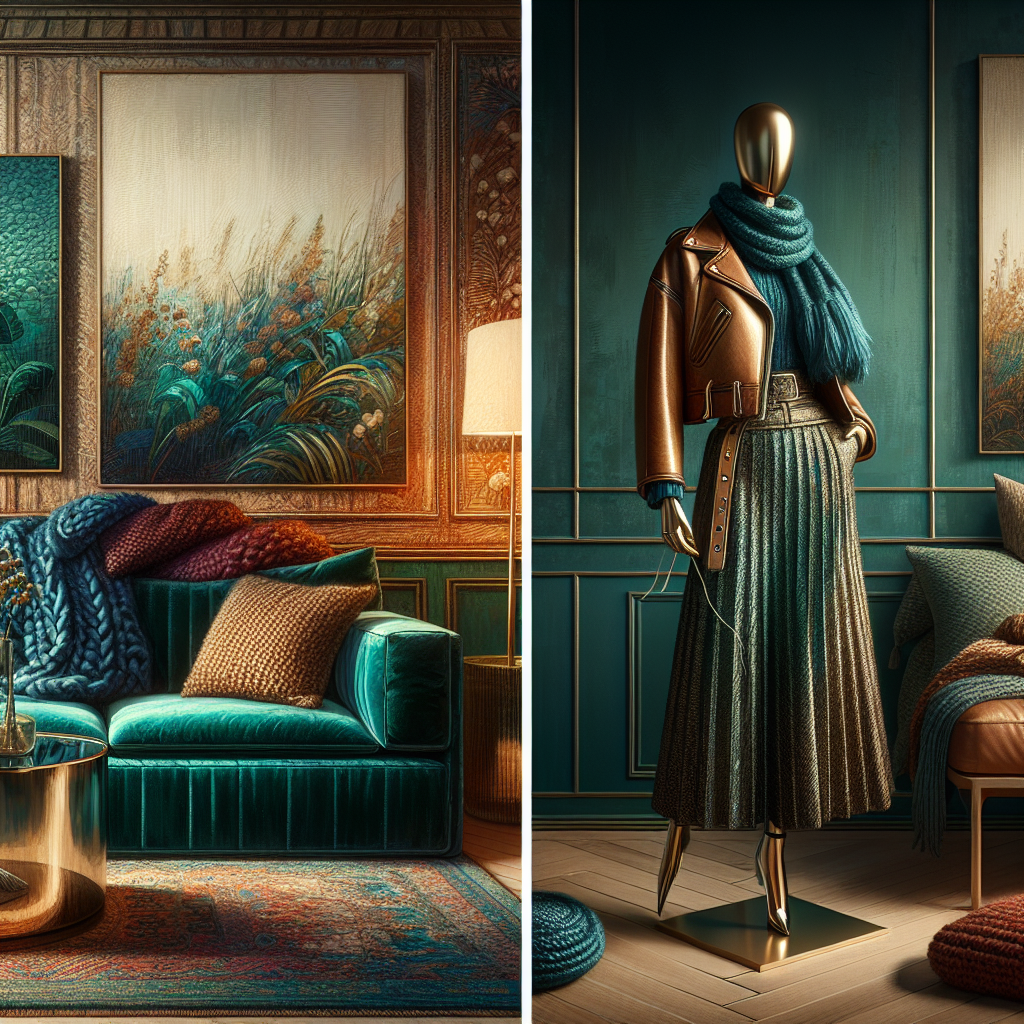
Texture refers to the surface quality of a material – how it feels or looks like it might feel. Textures can range from soft, smooth, and silky to rough, coarse, and gritty. In both fashion and interior design, texture adds a sensory dimension that can transform the ordinary into the extraordinary.
Why Mix Textures?
Mixing textures brings several benefits:
✨ Depth and Dimension: By combining different textures, you add layers to a space or outfit, making it feel richer and more dynamic.
✨ Visual Interest: Varied textures catch the eye, making the design or outfit more engaging and less monotonous.
✨ Unique Style: Your choice of textures can reflect your personal style, setting your designs or outfits apart from others.
Mixing Textures in Interior Design
Creating a balanced and inviting space often depends on the thoughtful use of texture. Here’s how you can mix textures in your home:
🔹 Combine Soft and Hard Textures: Pair soft materials like velvet or chenille cushions with harder elements like wooden tables or metal fixtures to create contrast.
🔹 Layer Rugs: Layering rugs of different materials and patterns can add warmth and complexity to a room.
🔹 Incorporate Natural Elements: Use materials like stone, leather, and plants to introduce natural textures that can soften or enhance the overall look.
Blending Textures in Fashion
In fashion, mixing textures can elevate a simple outfit to something truly special:
👗 Play with Fabrics: Pair a chunky knit sweater with a sleek silk skirt, or a leather jacket with a lace top for a balanced look.
👟 Accessorize Wisely: Use accessories like a beaded handbag or a woolen scarf to introduce new textures without overwhelming your outfit.
👖 Seasonal Considerations: Thicker, heavier textures work well in colder months, while lighter, airy textures are ideal for spring and summer.
Practical Tips for Mixing Textures
To successfully mix textures, keep these practical tips in mind:
🔸 Start Small: If you’re new to this, start by mixing two different textures and gradually add more as you gain confidence.
🔸 Balance is Key: Ensure there’s a balance between the textures to avoid overwhelming the senses. For instance, if you have a plush carpet, opt for smoother curtains.
🔸 Color Coordination: While mixing textures, maintain a cohesive color palette to keep the look unified and harmonious.
Common Mistakes to Avoid
🚫 Overloading on Textures: Too many textures can make a room or outfit feel chaotic. Stick to a few key textures to maintain focus.
🚫 Ignoring the Functionality: Always consider the practicality of textures, especially in high-traffic areas or everyday outfits.
🚫 Neglecting Personal Style: Make sure the textures you choose align with your personal style and the ambiance or vibe you want to create.
Conclusion
Mixing textures is a fantastic way to express creativity and individuality. Whether you’re sprucing up your living space or crafting the perfect outfit, a thoughtful blend of textures can make all the difference. Remember, the key is balance, experimentation, and a touch of personal flair. So, go ahead, explore the wonderful world of texture and create something uniquely yours! 🌟
FAQs
Q: How many textures should I mix in one room or outfit?
A: Aim for a mix of 3-4 different textures to keep things interesting but not overwhelming.
Q: Can I mix textures with patterns?
A: Absolutely! Pairing textures with patterns can add even more depth and interest, but ensure the colors complement each other.
Q: What if I make a mistake?
A: Design is all about trial and error. If something doesn’t work, don’t be afraid to tweak or replace elements until you achieve the desired look.
By following these tips and avoiding common pitfalls, you’ll be well on your way to mastering the art of mixing textures. Happy designing! 🎨