
The Art of Layering: How to Stay Warm and Stylish
The Art of Layering: How to Stay Warm and Stylish
As the temperatures begin to drop, staying warm becomes a priority. But who says you have to sacrifice style for comfort? Mastering the art of layering can help you maintain both warmth and a fashionable appearance. This guide will walk you through the essentials of layering, ensuring you look chic and cozy no matter the weather. 😊
Table of Contents
1. Introduction to Layering
2. The Basics of Layering
3. Choosing the Right Fabrics
4. Layering Techniques for Different Occasions
5. Accessorizing Your Layered Look
6. Conclusion
7. FAQs
Introduction to Layering
Layering is more than just stacking clothes on top of each other; it’s a strategic approach to dressing that balances warmth, flexibility, and style. Understanding how to layer effectively can make a significant difference during the colder months, ensuring you remain comfortable without compromising on your fashion sense.
The Basics of Layering
Layering typically involves three main components: the base layer, the insulating layer, and the outer layer. Each serves a unique purpose in keeping you warm and stylish.
Base Layer
The base layer is the foundation of your outfit. It’s crucial for moisture management, helping to wick away sweat and keep your skin dry. Opt for materials like merino wool or synthetic fabrics that offer good breathability.
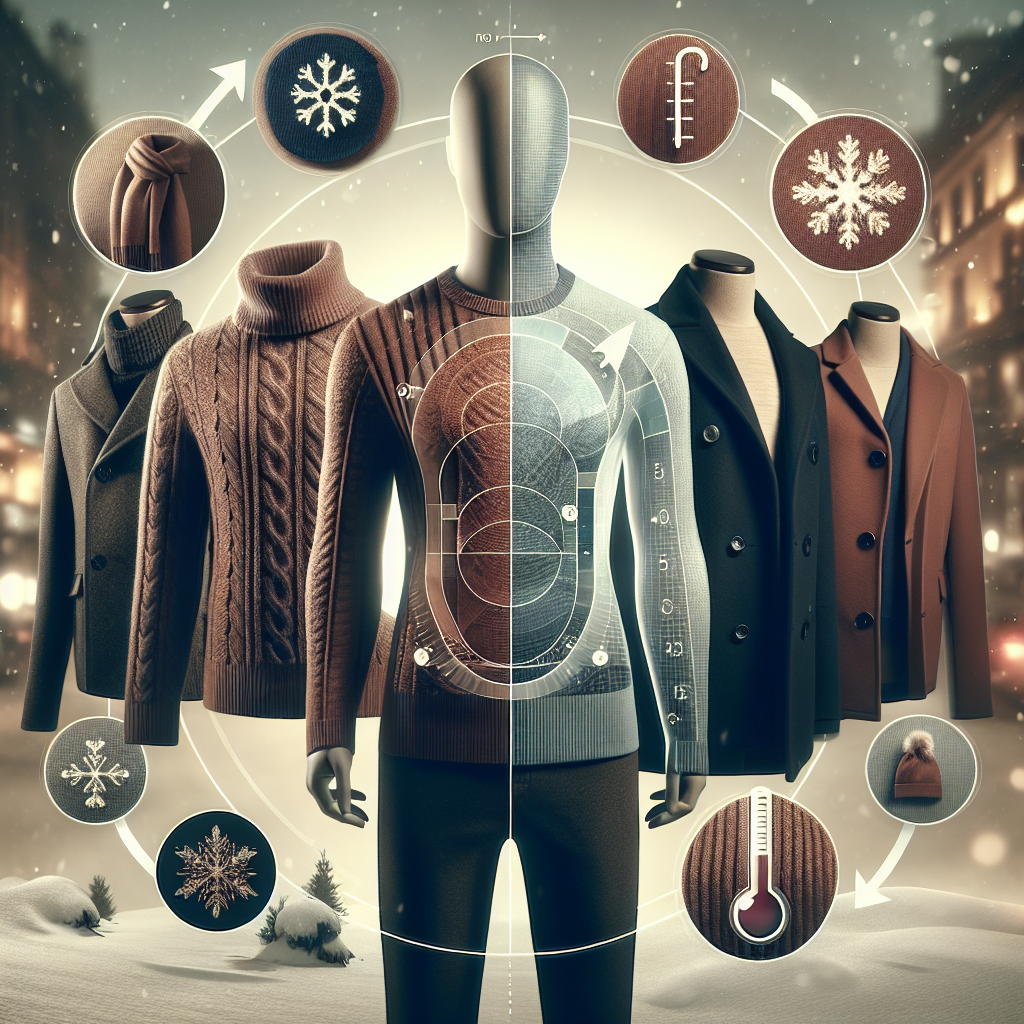
Insulating Layer
This layer traps heat close to your body. Popular choices include fleece, down, or wool. This is where you can play with textures and colors to add depth to your outfit.
Outer Layer
The outer layer is your shield against the elements. Look for windproof and waterproof materials to protect you from rain, snow, and wind. A stylish coat or jacket can serve as your statement piece.
Choosing the Right Fabrics
The fabric you choose can make or break your layered look. Here are some top picks:
Merino Wool: Known for its excellent insulation and moisture-wicking properties, merino wool is a go-to for base and insulating layers.
Fleece: Lightweight yet warm, fleece is perfect for insulating layers and adds a cozy feel to your outfit.
Gore-Tex: Ideal for outer layers, Gore-Tex is both waterproof and breathable, ensuring you stay dry and comfortable.
Layering Techniques for Different Occasions
Whether you’re heading to work or hitting the slopes, layering can be adapted to fit any occasion.
Casual Outings
For a day out in the city, start with a simple long-sleeve tee, add a chunky knit sweater, and top it off with a stylish trench coat. Pair with jeans and ankle boots for a relaxed yet polished look.
Work Attire
Layering for the office can be tricky. Opt for a crisp shirt as your base layer, a tailored blazer as your insulating layer, and a wool coat as your outer layer. This combination maintains professionalism while keeping you warm.
Outdoor Adventures
If you’re planning to spend time outdoors, prioritize functionality. Start with a thermal base layer, add a fleece jacket, and finish with a waterproof shell. Don’t forget a beanie and gloves for added warmth!
Accessorizing Your Layered Look
Accessories can elevate your layered outfit while adding extra warmth. Here are some tips:
Scarves: A cozy scarf can add a pop of color and keep your neck warm.
Hats: From beanies to fedoras, hats are essential for trapping heat and adding style.
Gloves: Choose gloves that are both functional and fashionable. Leather gloves are a classic choice.
Conclusion
Layering is a versatile technique that allows you to stay warm and stylish throughout the colder months. By understanding the basics and experimenting with different fabrics and styles, you can create outfits that are both practical and fashion-forward. Remember, the key is to balance warmth with personal style, making each outfit uniquely yours. 🧥
FAQs
Q: Can I layer with lightweight fabrics?
A: Absolutely! Lightweight fabrics can be great for layering, especially if you’re in a region with milder winters. Just ensure your outer layer provides enough protection against the elements.
Q: How can I make my layered look less bulky?
A: Choose thinner layers that offer warmth without the bulk. Fabrics like merino wool and fleece are excellent choices. Additionally, ensure your outer layer is well-fitted to streamline your silhouette.
Q: Is it okay to mix patterns and textures when layering?
A: Yes! Mixing patterns and textures can add interest and depth to your outfit. Just make sure the colors complement each other to avoid a clashing look.
By following these tips and techniques, you’ll be able to master the art of layering, ensuring you stay warm while looking effortlessly stylish. Happy layering! 🧣👢