How to Use Fashion as a Form of Storytelling
How to Use Fashion as a Form of Storytelling: Your Complete Guide to Narrative Dressing
Table of Contents
• Introduction to Fashion Storytelling
• Understanding Your Personal Narrative
• Building Your Story Through Color Psychology
• Texture and Fabric: The Language of Touch
• Silhouettes That Speak Volumes
• Accessories as Plot Devices
• Cultural Heritage in Fashion Storytelling
• Seasonal Storytelling Through Fashion
• Professional vs. Personal Narratives
• Creating Memorable Fashion Moments
• Conclusion
• Frequently Asked Questions
Fashion isn’t just about looking good—it’s about communicating who you are without saying a word. Every morning, when you stand in front of your closet, you’re essentially choosing the opening line of your daily story. The way you dress tells the world about your mood, your aspirations, your culture, and your personality. It’s time to embrace fashion as one of the most powerful storytelling tools at your disposal. 📖
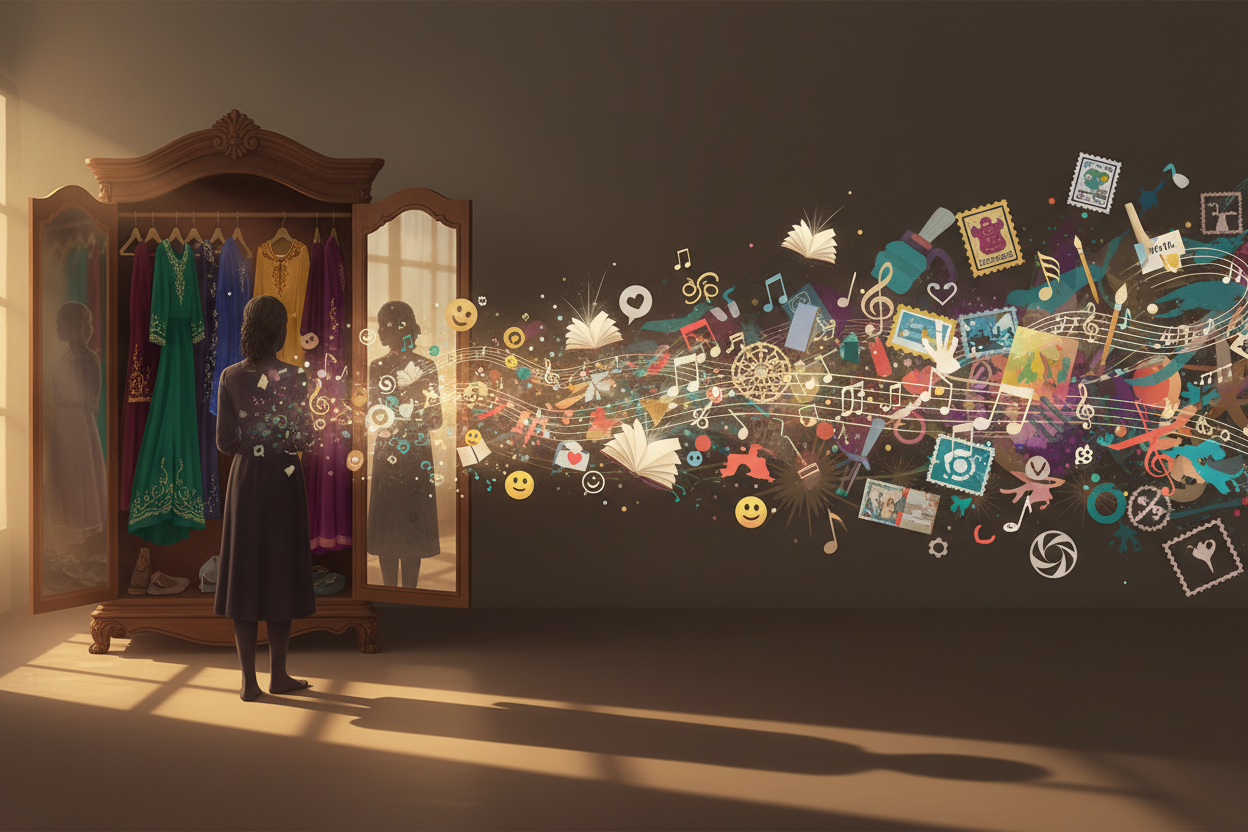
Think about it: when you see someone wearing a vintage band t-shirt, distressed jeans, and worn-in leather boots, you immediately start forming a narrative about that person. Maybe they’re rebellious, nostalgic, or simply appreciate authentic craftsmanship. That’s the magic of fashion storytelling—it creates instant connections and conversations.
Understanding Your Personal Narrative
Before you can tell your story through fashion, you need to understand what story you want to tell. This isn’t about conforming to trends or copying influencers—it’s about authentic self-expression. Your personal narrative might be “creative professional who values comfort,” “minimalist with a love for quality,” or “adventurous spirit with global influences.”
Start by asking yourself some key questions: What are your core values? What experiences have shaped you? What do you want people to remember about you? Your answers will become the foundation of your fashion storytelling approach.
Consider keeping a style journal where you document outfits that made you feel confident, pieces that hold special memories, or combinations that perfectly captured your mood. This practice helps you identify patterns in your personal narrative and refine your storytelling voice. ✨
Building Your Story Through Color Psychology
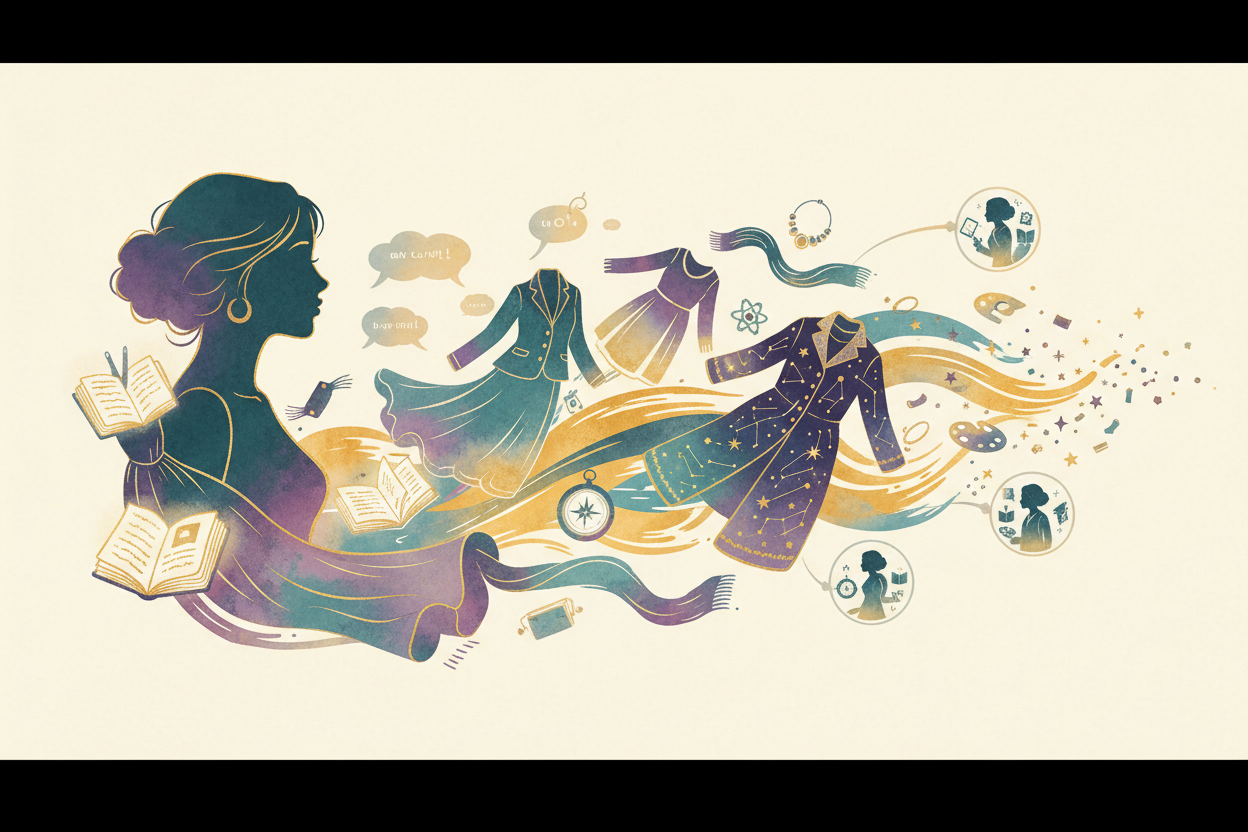
Colors are perhaps the most immediate storytelling element in fashion. They evoke emotions, trigger memories, and communicate messages faster than any other visual cue. Understanding color psychology can transform your wardrobe from a collection of clothes into a carefully curated narrative toolkit.
Red tells a story of confidence and passion—perfect for days when you want to command attention or feel empowered. Blue speaks of trustworthiness and calm, making it ideal for professional settings or when you want to project reliability. Black can narrate sophistication, mystery, or rebellion, depending on how you style it.
But don’t limit yourself to traditional color meanings. Your personal color story might be entirely different. Maybe yellow reminds you of your grandmother’s kitchen and represents comfort and warmth to you. Perhaps purple connects you to your creative side because it was your favorite color as a child. The key is being intentional about your color choices and understanding the story they tell.
Texture and Fabric: The Language of Touch
While color catches the eye, texture tells a more subtle story that reveals itself upon closer inspection. The fabrics you choose communicate volumes about your lifestyle, values, and attention to detail. A cashmere sweater whispers luxury and self-care, while a vintage denim jacket shouts authenticity and durability.
Consider how different textures make you feel and what stories they tell. Silk might represent your feminine side or your appreciation for craftsmanship. Linen could tell a story of laid-back confidence and environmental consciousness. Leather might speak to your edgier side or your investment in quality pieces that age beautifully.
Mixing textures adds depth to your fashion narrative. Pairing a structured blazer with a flowing silk scarf tells a story of someone who balances professionalism with creativity. Combining rough denim with delicate lace creates an interesting tension that speaks to complexity and contrast in your personality. 🎨
Silhouettes That Speak Volumes
The shape and fit of your clothing create the framework for your fashion story. Are you drawn to flowing, bohemian silhouettes that suggest freedom and creativity? Or do you prefer structured, tailored pieces that communicate precision and authority?
Your silhouette choices can tell different stories depending on the occasion. A fitted blazer with wide-leg trousers might tell a story of modern professionalism with a nod to vintage glamour. Oversized sweaters paired with skinny jeans could communicate comfort-seeking while maintaining a put-together appearance.
Don’t be afraid to play with proportions to enhance your narrative. Sometimes the most interesting fashion stories come from unexpected combinations—like pairing a voluminous top with a sleek bottom, or mixing masculine and feminine silhouettes to tell a story of versatility and confidence.
Accessories as Plot Devices
If your clothing tells the main story, accessories are the plot devices that add intrigue, depth, and personal touches. They’re often the most personal elements of an outfit because they’re frequently chosen for sentimental value or specific functionality.
A vintage watch might tell the story of your appreciation for craftsmanship and timeless design. Statement earrings could communicate your bold personality and attention to detail. A worn leather bag might speak to your practical nature and love for items that improve with age.
Jewelry, in particular, often carries deep personal narratives. That necklace from your travels to Morocco, the ring passed down from your grandmother, or the bracelet you bought to celebrate a personal achievement—these pieces add chapters to your fashion story that go beyond mere aesthetics. 💍
Cultural Heritage in Fashion Storytelling
One of the most powerful ways to use fashion for storytelling is by incorporating elements of your cultural heritage. This doesn’t mean wearing traditional dress daily, but rather finding meaningful ways to weave cultural elements into your modern wardrobe.
Maybe it’s a pattern that holds significance in your family’s culture, a color combination that represents your heritage, or a piece of jewelry that connects you to your roots. These elements add authenticity and depth to your fashion narrative while honoring your background.
Cultural storytelling through fashion also extends to appreciating and respectfully incorporating elements from cultures you’ve experienced through travel, study, or meaningful relationships. The key is approaching this with respect, understanding, and genuine appreciation rather than superficial appropriation.
Seasonal Storytelling Through Fashion
The changing seasons provide natural opportunities for evolving your fashion narrative. Spring might tell a story of renewal and optimism through lighter fabrics and fresh colors. Summer could communicate freedom and adventure through flowing silhouettes and bold patterns.
Fall fashion often tells stories of preparation and coziness—think layered textures, warm colors, and pieces that suggest comfort and security. Winter narratives might focus on resilience and sophistication, with structured coats, rich fabrics, and statement accessories that brighten dark days. ❄️
Seasonal transitions in your wardrobe don’t have to be dramatic overhauls. Sometimes the story is told through subtle shifts—adding a scarf to suggest autumn’s arrival, or switching from boots to sandals to welcome spring. These small changes keep your fashion narrative fresh and connected to the natural world around you.
Professional vs. Personal Narratives
One of the challenges of fashion storytelling is adapting your narrative for different contexts. Your weekend story might be very different from your workplace story, and that’s perfectly okay. The skill lies in maintaining authenticity while adjusting your narrative voice for the audience.
In professional settings, your fashion story might emphasize competence, reliability, and attention to detail. This doesn’t mean abandoning your personality—it means finding ways to express it within professional norms. Maybe it’s through your choice of colors, the cut of your blazer, or a subtle accessory that adds personality to a conservative outfit.
Your personal fashion narrative has more freedom to explore different themes and expressions. Weekend stories might be more casual, creative, or experimental. Evening narratives could be more dramatic or romantic. The key is ensuring all these different stories feel authentically you, just different facets of your personality. 🌟
Creating Memorable Fashion Moments
Some of the best fashion storytelling happens when you create memorable moments—outfits that people remember long after the occasion has passed. These don’t have to be dramatic or expensive; they just need to be thoughtful and authentic to your story.
Maybe it’s wearing your grandmother’s vintage brooch to your graduation, choosing a bold color for an important presentation, or putting together an outfit that perfectly captures how you’re feeling on a significant day. These moments become part of your personal history and the ongoing narrative of who you are.
Document these meaningful fashion moments. Take photos, write about why you chose certain pieces, and reflect on how your style choices made you feel. This practice helps you become more intentional about your fashion storytelling and builds a visual diary of your personal evolution.
Conclusion
Fashion storytelling is an art form that everyone can master with practice and intention. It’s about moving beyond simply covering your body to actively communicating who you are, what you value, and how you want to move through the world. Every piece in your wardrobe has the potential to be part of a larger narrative—you just need to be intentional about the story you want to tell.
Remember, the best fashion stories are authentic ones. Don’t try to tell someone else’s story or follow trends that don’t resonate with your personal narrative. Instead, use these techniques to amplify your own voice and create a wardrobe that feels like a true extension of yourself.
Start small—choose one element like color or accessories to focus on this week. Pay attention to how different choices make you feel and what stories they seem to tell. With time and practice, you’ll develop a natural instinct for fashion storytelling that makes getting dressed each morning an exciting creative opportunity rather than a chore. 🎭
Frequently Asked Questions
Q: Do I need an expensive wardrobe to tell a good fashion story?
A: Absolutely not! Fashion storytelling is about creativity, intention, and authenticity, not price tags. Some of the best fashion stories are told through thrift finds, inherited pieces, and carefully chosen basics. It’s how you put pieces together and the thought behind your choices that creates compelling narratives.
Q: What if I work in a conservative environment with strict dress codes?
A: Even within strict dress codes, you can tell your story through subtle details like fabric choices, fit, color variations within acceptable ranges, and small accessories. The key is finding ways to express your personality within the given parameters while respecting workplace requirements.
Q: How do I know if my fashion story is working?
A: Pay attention to how you feel in your outfits and how others respond to them. Do you feel confident and authentic? Do people give you compliments that align with the story you’re trying to tell? Do you enjoy getting dressed? These are good indicators that your fashion storytelling is effective.
Q: Can my fashion story change over time?
A: Not only can it change—it should! As you grow and evolve as a person, your fashion narrative should evolve too. Life experiences, changing priorities, and personal growth all contribute to an evolving style story. Embrace these changes as part of your ongoing narrative.
Q: What if I don’t know what story I want to tell?
A: Start by paying attention to pieces you’re naturally drawn to and outfits that make you feel confident. Look for patterns in your preferences and think about what these choices might say about you. Fashion storytelling is a journey of self-discovery, so be patient with yourself as you figure out your narrative voice.