
How to Navigate Fashion Trends with Confidence
How to Navigate Fashion Trends with Confidence: Your Ultimate Style Guide 👗
Table of Contents
• Understanding Fashion Trends vs. Personal Style
• Building a Trend-Resistant Foundation Wardrobe
• How to Spot Trends Worth Following
• Adapting Trends to Your Body Type and Lifestyle
• Budget-Friendly Ways to Try New Trends
• Common Fashion Mistakes to Avoid
• Building Confidence in Your Style Choices
• FAQs
Introduction
Ever stood in front of your closet feeling completely overwhelmed by the latest fashion trends flooding your social media feed? You’re not alone. In today’s fast-paced fashion world, trends come and go faster than you can say “Instagram outfit of the day.” One minute everyone’s wearing oversized blazers, the next it’s all about crop tops and mini skirts. 🤷♀️
The pressure to keep up with every fashion trend can be exhausting and expensive. But here’s the thing – you don’t need to follow every trend to look stylish and feel confident. The secret lies in learning how to navigate fashion trends strategically, choosing what works for you while staying true to your personal style.
In this comprehensive guide, we’ll explore how to approach fashion trends with confidence, build a wardrobe that works for your lifestyle, and develop the skills to make smart style choices that make you feel amazing every single day.
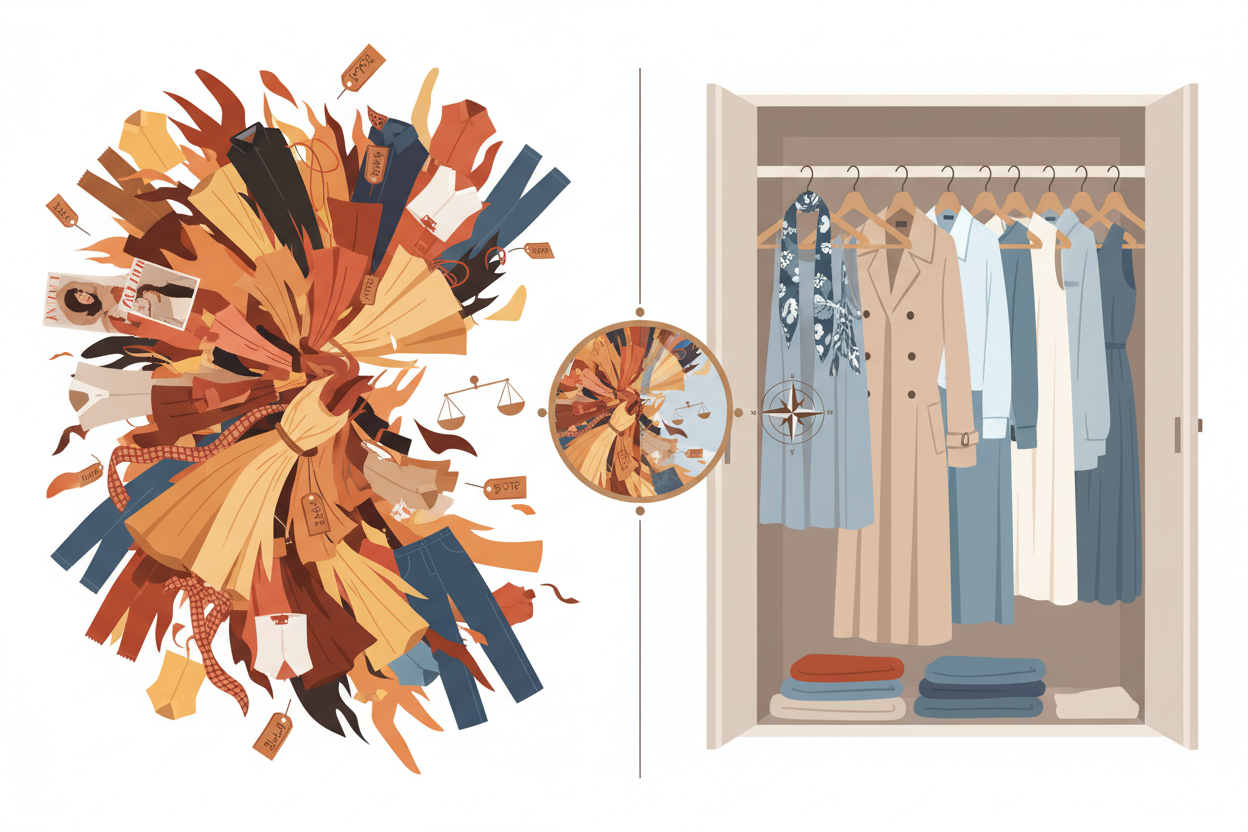
Understanding Fashion Trends vs. Personal Style
Before diving into the world of trends, it’s crucial to understand the difference between following fashion and developing personal style. Fashion trends are temporary movements in clothing, accessories, or styling techniques that gain popularity for a specific period. Think of them as waves in the ocean – they rise, peak, and eventually fade away.
Personal style, on the other hand, is your unique way of expressing yourself through clothing. It’s the consistent thread that runs through your wardrobe choices, regardless of what’s currently trending. Your personal style reflects your personality, lifestyle, and preferences.
The most stylish people aren’t necessarily those who follow every trend religiously. Instead, they’re individuals who have mastered the art of selectively incorporating trends that align with their personal aesthetic. They use trends as inspiration rather than strict rules to follow. ✨
Consider fashion icons like Audrey Hepburn or David Bowie – they didn’t follow trends blindly. Instead, they developed signature looks that became trends themselves. This approach to fashion creates a timeless, confident style that transcends seasonal changes.
Building a Trend-Resistant Foundation Wardrobe
Creating a solid foundation wardrobe is like building a house – you need strong bones before you can add decorative elements. A well-curated foundation consists of versatile, high-quality pieces that work together seamlessly and provide the perfect canvas for trend experimentation.
Start with classic pieces that have stood the test of time. A well-fitted white button-down shirt, quality denim in a flattering cut, a little black dress, and a tailored blazer are investment pieces that never go out of style. These items serve as your style anchors, providing stability when trends feel overwhelming.
Focus on fit over fashion when building your foundation. A perfectly fitted basic t-shirt will always look better than an ill-fitting designer piece. Take time to understand your body shape and invest in alterations when necessary. Remember, confidence comes from feeling comfortable and looking polished, not from wearing the latest trend that doesn’t suit your body type.
Choose a cohesive color palette for your foundation pieces. Neutrals like black, white, navy, beige, and gray work beautifully together and provide endless mixing and matching opportunities. This approach ensures that everything in your closet coordinates, making getting dressed easier and more enjoyable. 🎨
How to Spot Trends Worth Following
Not all trends are created equal. Some are fleeting fads that disappear as quickly as they arrive, while others have staying power and can enhance your wardrobe for seasons to come. Learning to distinguish between the two is a valuable skill that will save you time, money, and closet space.
Look for trends that align with your lifestyle and personal preferences. If you’re a busy professional, a trend requiring high-maintenance styling probably isn’t worth pursuing. Similarly, if you prefer classic, understated looks, extremely avant-garde trends might not be the best fit for your aesthetic.
Pay attention to how trends evolve across different fashion weeks and seasons. Trends that appear consistently across multiple designers and fashion capitals often have more longevity than one-off viral moments. These trends typically offer more versatility and can be adapted to various personal styles.
Consider the versatility factor when evaluating trends. Can the trend be incorporated into multiple outfits? Does it work with pieces you already own? Trends that play well with your existing wardrobe are generally safer investments than those requiring a complete style overhaul.
Trust your instincts. If a trend doesn’t feel authentic to you or makes you uncomfortable, it’s probably not worth pursuing, regardless of how popular it becomes. Fashion should enhance your confidence, not diminish it. 💪
Adapting Trends to Your Body Type and Lifestyle
The key to successfully incorporating trends lies in adaptation rather than imitation. What looks amazing on a fashion blogger or celebrity might need tweaking to work for your unique body type, lifestyle, and personal preferences.
Understanding your body shape is essential for trend adaptation. If wide-leg pants are trending but you prefer a more fitted silhouette, try a slightly tapered wide-leg style or pair them with a fitted top to maintain balance. The goal is to capture the essence of the trend while staying true to what makes you feel confident.
Consider your daily activities when adopting trends. If you’re a teacher who spends most of the day on your feet, sky-high platform shoes might not be practical, even if they’re everywhere on social media. Instead, look for comfortable alternatives that capture the trend’s spirit – perhaps a lower platform or a similar style in a more wearable height.
Think about proportions and balance when incorporating trends. If you’re trying an oversized blazer trend, consider what you’ll pair it with to create a flattering silhouette. Understanding how different pieces work together helps you adapt trends successfully rather than looking like you’re wearing a costume.
Don’t feel pressured to adopt a trend in its most extreme form. Often, subtle nods to current trends are more sophisticated and wearable than full-blown interpretations. A touch of the trending color in your accessories or a hint of the popular silhouette can be just as effective as a head-to-toe trend look. 🌟
Budget-Friendly Ways to Try New Trends
Fashion trends shouldn’t break the bank. There are numerous strategies for experimenting with new styles without compromising your financial goals or filling your closet with pieces you’ll regret later.
Start with accessories when testing new trends. Bags, shoes, scarves, and jewelry are excellent ways to incorporate trending elements without major investment. A trending handbag style or statement earrings can update your entire look while working with pieces you already own.
Consider renting or borrowing trendy pieces for special occasions. Clothing rental services have made it easier than ever to access designer trends without the commitment or cost. This approach is particularly useful for formal events or one-time occasions where you want to try something new.
Shop your own closet first. You might be surprised how many trending looks you can create with pieces you already own. Try styling familiar items in new ways or combining pieces you’ve never worn together. Sometimes the best trend interpretations come from creative styling rather than new purchases.
When you do shop for trends, focus on versatile pieces that can be styled multiple ways. A trending top that only works with one specific bottom isn’t as valuable as one that pairs with several items in your existing wardrobe. Think cost-per-wear when evaluating potential purchases. 💰
Common Fashion Mistakes to Avoid
Even the most fashion-forward individuals make mistakes when navigating trends. Learning from common pitfalls can help you develop a more sophisticated approach to fashion and avoid costly errors.
Avoid the temptation to adopt every single trend simultaneously. Wearing multiple trending elements at once often creates a costume-like effect rather than a polished, intentional look. Instead, choose one or two trending elements and incorporate them into an otherwise classic outfit.
Don’t ignore fit in favor of trends. An ill-fitting trendy piece will never look as good as a well-fitted classic item. Always prioritize fit and comfort over fashion-forward details. Remember, confidence is the best accessory, and it’s hard to feel confident when you’re uncomfortable.
Resist the urge to completely overhaul your wardrobe with each new season. This approach is expensive, wasteful, and often results in a closet full of items that don’t work together. Instead, gradually incorporate new elements while maintaining your style foundation.
Avoid copying looks exactly as seen on social media or in magazines. What works for one person’s body type, coloring, and lifestyle might not work for yours. Use inspiration images as starting points rather than exact templates to follow. 📸
Building Confidence in Your Style Choices
True style confidence comes from understanding yourself and making intentional choices that reflect your personality and lifestyle. It’s not about following rules or trends blindly, but about developing the skills to make decisions that make you feel authentic and empowered.
Start by identifying what makes you feel most confident. Pay attention to compliments you receive and outfits that make you feel particularly good. These observations provide valuable insights into your most flattering styles and can guide future fashion decisions.
Experiment with styling in low-pressure situations. Try new combinations at home, take photos to evaluate different looks, and gradually incorporate successful experiments into your regular rotation. Building confidence is a process that requires practice and patience.
Develop a personal style mood board or inspiration collection. This visual reference helps clarify your preferences and provides direction when you’re feeling uncertain about fashion choices. Include images that inspire you, regardless of whether they’re currently trending.
Remember that style is subjective, and there’s no single “right” way to dress. What matters most is that you feel comfortable, confident, and authentic in your choices. Trust your instincts and don’t let others’ opinions override your personal preferences. 🌈
Practice self-compassion when experimenting with fashion. Not every outfit will be a winner, and that’s perfectly normal. View fashion mistakes as learning opportunities rather than failures, and celebrate the successes along the way.
Conclusion
Navigating fashion trends with confidence is ultimately about finding the sweet spot between staying current and staying true to yourself. It’s about developing the skills to evaluate trends critically, adapt them to your unique needs, and incorporate them in ways that enhance rather than compromise your personal style.
Remember that the most stylish people aren’t necessarily those with the biggest budgets or the latest everything. They’re individuals who understand themselves, make intentional choices, and wear their clothes with confidence. By building a strong foundation wardrobe, learning to spot worthwhile trends, and developing your personal style intuition, you can create a wardrobe that makes you feel amazing every single day.
Fashion should be fun, not stressful. Embrace the journey of discovering your personal style, and don’t be afraid to experiment along the way. With the strategies outlined in this guide, you’ll be well-equipped to navigate the ever-changing world of fashion trends while maintaining your unique style identity. Here’s to feeling confident, authentic, and stylish in whatever you choose to wear! ✨
Frequently Asked Questions
How often should I update my wardrobe with new trends?
There’s no set timeline for updating your wardrobe. Focus on adding 2-3 trending pieces per season that genuinely appeal to you and work with your existing clothes. Quality over quantity always wins.
What if I can’t afford to follow fashion trends?
Fashion trends don’t require expensive purchases. Try incorporating trends through styling techniques, accessories, or DIY modifications to existing pieces. Thrift stores and sales are also great resources for budget-friendly trend pieces.
How do I know if a trend suits my body type?
Try pieces on before purchasing, or if shopping online, check return policies. Pay attention to how different silhouettes make you feel and look. When in doubt, start with small doses of the trend through accessories or styling changes.
Should I follow trends if I work in a conservative environment?
Absolutely! Adapt trends to fit your workplace dress code. This might mean incorporating trending colors, subtle pattern mixing, or modern silhouettes in professional-appropriate ways. Even small updates can refresh your work wardrobe.
How can I develop my personal style while staying current?
Start by identifying your style preferences and lifestyle needs. Then, selectively incorporate trends that align with your aesthetic. Think of trends as seasoning for your personal style recipe – a little goes a long way. 🎯