
How to Mix and Match Patterns Like a Pro
How to Mix and Match Patterns Like a Pro: Master the Art of Pattern Mixing in Interior Design 🎨
Table of Contents
• Introduction to Pattern Mixing
• Understanding Pattern Types and Scales
• The Golden Rules of Pattern Mixing
• Creating a Cohesive Color Palette
• Room-by-Room Pattern Mixing Guide
• Common Pattern Mixing Mistakes to Avoid
• Advanced Pattern Mixing Techniques
• Conclusion
• Frequently Asked Questions
Introduction: Why Pattern Mixing is Your Secret Design Weapon ✨
Walking into a beautifully designed room that effortlessly combines florals, stripes, and geometric prints can feel like magic. You know something looks absolutely stunning, but you can’t quite put your finger on why it works so perfectly. That’s the power of expert pattern mixing – and I’m here to let you in on the secret.
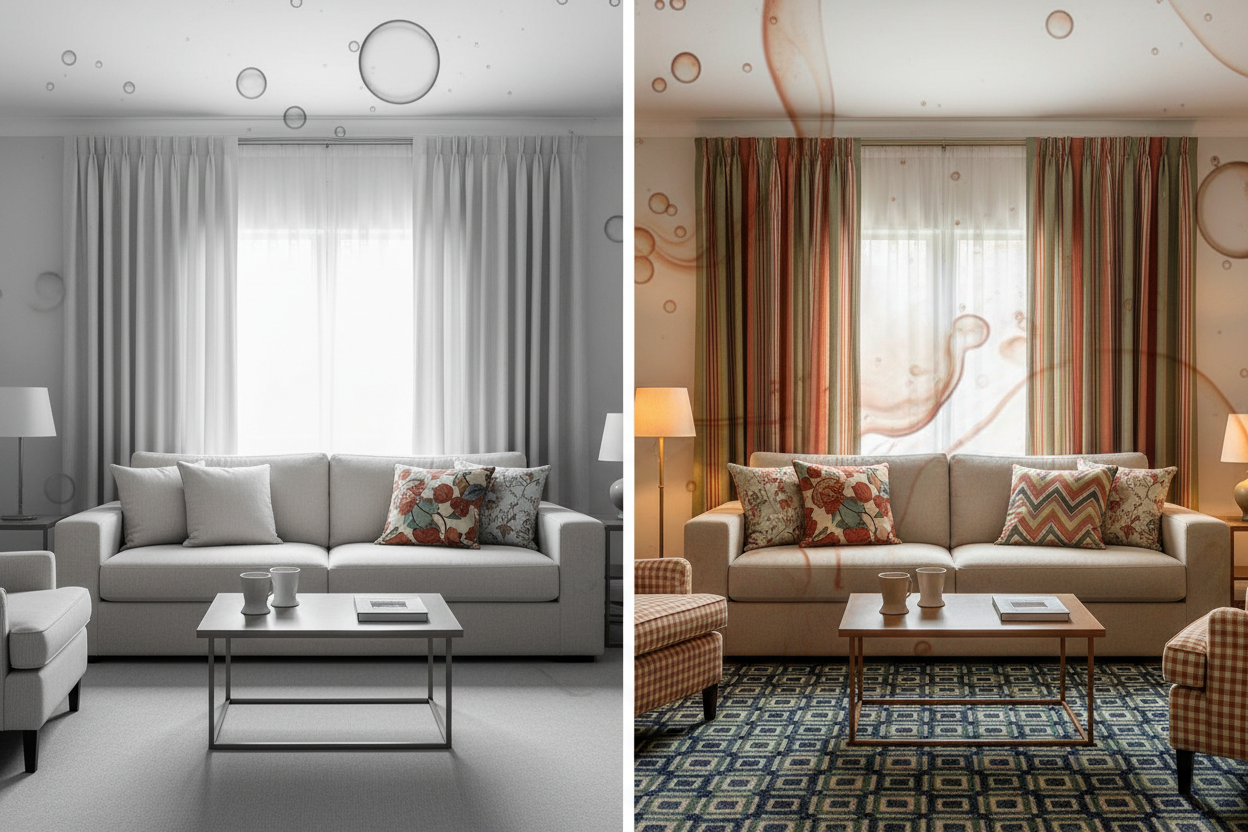
Pattern mixing might seem intimidating at first glance. Many of us have been conditioned to believe that patterns should be kept separate, like oil and water. But here’s the truth: when done correctly, mixing patterns creates visual interest, depth, and personality that solid colors alone simply can’t achieve. It’s the difference between a room that looks professionally styled and one that feels flat or incomplete.
After years of helping clients transform their spaces, I’ve learned that pattern mixing isn’t about following rigid rules – it’s about understanding the principles that make combinations work harmoniously. Today, I’m sharing everything you need to know to mix patterns like a seasoned interior designer, from the foundational concepts to advanced techniques that will have your guests asking for your decorator’s contact information.
Understanding Pattern Types and Scales: Your Foundation for Success 📏
Before diving into the mixing process, let’s establish our pattern vocabulary. Think of this as learning the alphabet before writing poetry – essential groundwork that will serve you well.
Geometric Patterns include stripes, chevrons, polka dots, and abstract shapes. These tend to be more structured and can add a modern, crisp feel to your space. They’re often the easiest patterns to work with because of their predictable nature.
Organic Patterns encompass florals, paisleys, and nature-inspired designs. These flowing, irregular patterns bring softness and movement to a room. They can be traditional or contemporary, depending on their style and color palette.
Traditional Patterns like toile, damask, and classic plaids have historical significance and tend to create a more formal or timeless atmosphere. These patterns often work beautifully as anchor pieces in your design scheme.
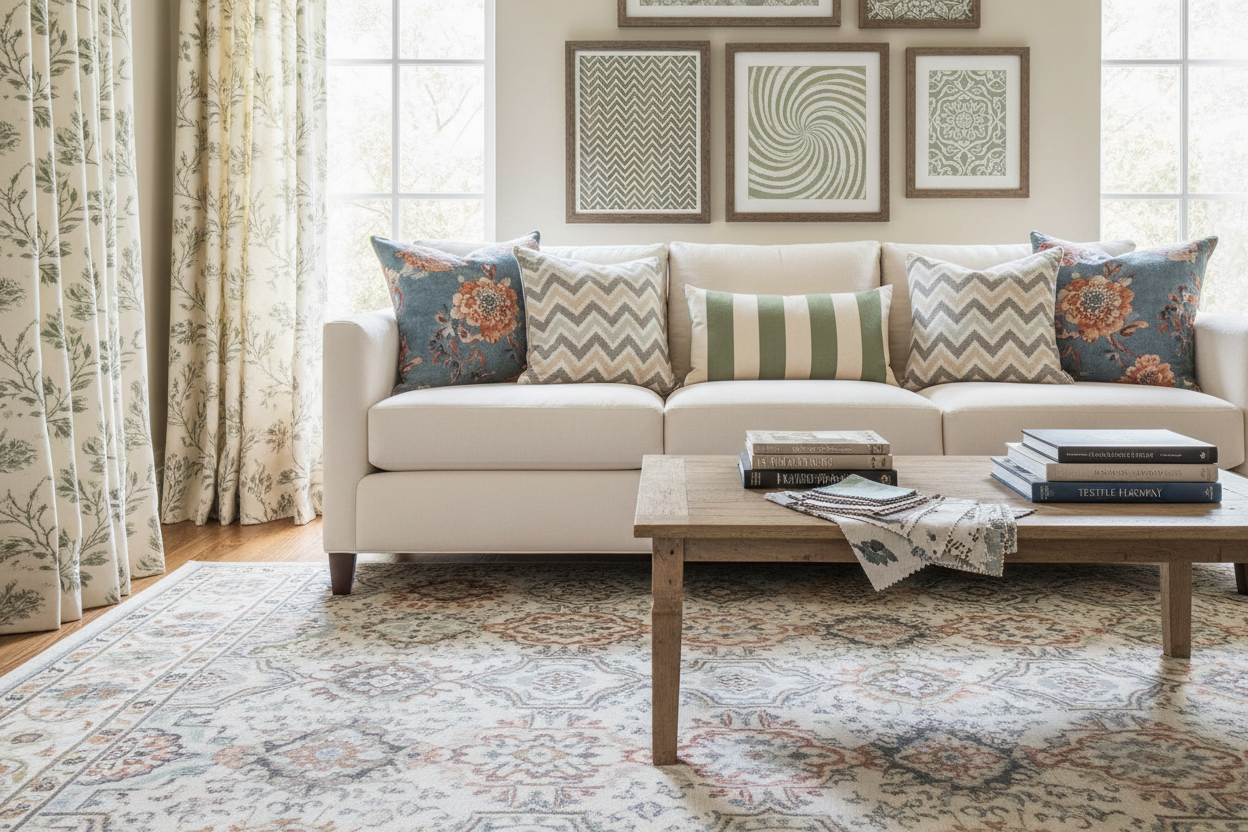
Scale is equally important as pattern type. Large-scale patterns make bold statements and work well as focal points, while small-scale patterns can act as supporting players or provide texture without overwhelming the space. Medium-scale patterns often serve as perfect bridges between the two extremes.
The Golden Rules of Pattern Mixing: Your Roadmap to Success 🗺️
While creativity should never be completely constrained by rules, these guidelines will help you navigate pattern mixing with confidence, especially when you’re starting out.
The Rule of Three suggests limiting yourself to three patterns maximum in any given space. This prevents visual chaos while still creating interest. However, don’t feel obligated to use exactly three – sometimes two patterns work beautifully together, and occasionally, a skilled designer can successfully incorporate four or more.
Vary Your Scales is perhaps the most crucial rule. Combine one large-scale pattern, one medium-scale, and one small-scale pattern. This creates a pleasing hierarchy that guides the eye naturally through the space. For example, pair large floral curtains with medium-sized striped throw pillows and small polka dot accent pieces.
Maintain a Common Thread through color, style, or theme. This might mean using patterns that all contain navy blue, or mixing patterns from the same design era. This common element acts as the glue that holds your pattern combination together.
Balance Busy with Simple ensures your room doesn’t become overwhelming. If you choose a complex, busy pattern for one element, balance it with simpler, more subdued patterns elsewhere. Think of it as a conversation – you want harmony, not everyone talking at once.
Creating a Cohesive Color Palette: The Secret Sauce 🎨
Color is often the make-or-break element in successful pattern mixing. When patterns share colors, they naturally feel like they belong together, even if their styles are completely different.
Start by choosing a dominant color that will appear in multiple patterns throughout your space. This becomes your anchor color – the thread that weaves everything together. Then, select two to three accent colors that complement your dominant choice.
One of my favorite techniques is the “60-30-10 rule” adapted for patterns. Use your dominant color in about 60% of your patterns, your secondary color in 30%, and save the boldest or brightest accent color for just 10%. This creates a balanced, professional-looking result that feels intentional rather than accidental.
Don’t forget about neutrals – they’re your best friends in pattern mixing. Cream, gray, black, and white can appear in multiple patterns without competing for attention. They provide visual rest areas that allow bolder patterns to shine.
Room-by-Room Pattern Mixing Guide: Practical Application 🏠
Living Room Mastery starts with your largest pieces. If your sofa features a large floral pattern, complement it with medium-scale striped throw pillows and a small geometric patterned rug. Add solid-colored elements to give the eye places to rest.
In the Bedroom Sanctuary, begin with your bedding as the focal point. Layer a large paisley duvet with medium-scale striped sheets and small polka dot accent pillows. Window treatments can introduce another pattern, but keep it simple if your bedding is already busy.
Kitchen and Dining Areas offer unique opportunities for pattern play through textiles, dishware, and wallpaper. Mix a geometric backsplash with floral curtains and striped chair cushions. The key here is ensuring patterns don’t compete with the functionality of the space.
For Bathrooms, think small but impactful. A patterned shower curtain can pair beautifully with complementary patterned towels and a simple striped bath mat. The limited space actually makes pattern mixing easier to manage.
Common Pattern Mixing Mistakes to Avoid: Learning from Others’ Missteps ⚠️
Even experienced decorators make mistakes, and learning from them can save you time, money, and frustration. The most common error I see is using patterns that are too similar in scale. Two medium-scale florals might seem safe, but they often compete rather than complement each other.
Another frequent mistake is ignoring the room’s architecture and existing elements. Your pattern choices should enhance, not fight against, your space’s natural features. A busy wallpaper might overwhelm a small room, while tiny patterns can get lost in a large, open space.
Overthinking color matching can also backfire. Patterns don’t need to match exactly – in fact, slight variations in shade can add depth and interest. Trust your eye and remember that perfect matches can sometimes look too coordinated and lack personality.
Finally, don’t forget about texture. Mixing patterns is about more than just visual elements – incorporating different textures adds another layer of interest and sophistication to your design.
Advanced Pattern Mixing Techniques: Taking Your Skills to the Next Level 🚀
Once you’ve mastered the basics, you can experiment with more sophisticated approaches. Try mixing patterns within the same color family but with different intensities – think navy and light blue patterns together for a monochromatic but dynamic look.
Seasonal pattern swapping keeps your space fresh throughout the year. Summer might call for light florals and crisp stripes, while winter could embrace rich plaids and cozy geometrics. This approach lets you enjoy pattern mixing year-round without major redecorating.
Consider the psychology of patterns in your choices. Vertical stripes can make ceilings appear higher, while horizontal patterns can make narrow rooms feel wider. Curved patterns tend to feel more relaxing, while angular patterns create energy and movement.
Layer patterns at different distances from the viewer. A patterned rug on the floor, patterned pillows at eye level, and patterned artwork on the walls create depth and visual journey through your space.
Conclusion: Your Pattern Mixing Journey Starts Now 🌟
Mastering the art of pattern mixing is like learning a new language – it takes practice, but once you understand the fundamentals, you’ll find yourself naturally creating beautiful combinations that reflect your personal style.
Remember that confidence is key. Start small with throw pillows or artwork, and gradually work up to larger commitments like upholstery or wallpaper. Trust your instincts, and don’t be afraid to take calculated risks. Some of the most stunning rooms I’ve seen came from clients who were willing to step outside their comfort zones.
Pattern mixing isn’t just about following trends – it’s about creating spaces that tell your story and make you feel at home. Whether you prefer subtle, sophisticated combinations or bold, eclectic mixes, these principles will help you achieve looks that feel both intentional and authentically you.
So grab those patterned pillows you’ve been afraid to use together, and start experimenting. Your perfectly pattern-mixed room is waiting to be discovered, and now you have all the tools you need to create it.
Frequently Asked Questions 🤔
Q: How many patterns can I safely use in one room?
A: While the rule of three is a good starting point, there’s no hard limit. The key is maintaining balance and ensuring each pattern serves a purpose. I’ve successfully used up to five patterns in larger rooms by varying scales and maintaining a cohesive color palette.
Q: Can I mix patterns if my room is small?
A: Absolutely! Small rooms can benefit greatly from pattern mixing, but scale becomes even more important. Stick to smaller-scale patterns and limit yourself to two or three maximum to avoid overwhelming the space.
Q: What if I make a mistake with expensive items like rugs or furniture?
A: Start your pattern mixing journey with smaller, less expensive items like throw pillows, artwork, or table linens. Once you’re confident in your choices, you can invest in larger patterned pieces. Also, remember that many “mistakes” can be fixed by adding or removing elements.
Q: Do patterns need to match exactly in color?
A: Not at all! In fact, exact matches can look too coordinated. Look for patterns that share one or two colors but don’t worry about perfect matches. Slight variations add depth and interest to your design.
Q: How do I know if my pattern combination works?
A: Step back and look at the overall effect. Does your eye move naturally around the space? Do the patterns feel like they belong together? If something feels “off,” try adjusting the scale, adding a solid color element, or changing the proportions of each pattern.
Q: Can I mix patterns from different design styles?
A: Yes, mixing styles can create unique, personalized spaces. The key is finding a common element like color, scale, or mood to tie different styles together. A modern geometric might pair beautifully with a traditional floral if they share similar colors and scales.