
How to Dress for Success in Any Industry
How to Dress for Success in Any Industry
In a world where first impressions are everything, knowing how to dress for success can make all the difference in your professional journey. From boardrooms to creative studios, the right attire not only reflects your personal brand but also communicates competence and confidence. Whether you’re a seasoned professional or just starting out, understanding the nuances of industry-specific dress codes can elevate your career. In this guide, we’ll explore tips and tricks to ensure you always put your best foot forward, no matter where you work.
Table of Contents
1. Why Dressing for Success Matters
2. Understanding Industry Dress Codes
3. Dressing for Corporate Environments
4. Dressing for Creative Industries
5. Dressing for Tech and Startups
6. Dressing for Hospitality and Retail
7. Dressing for Remote Work
8. Conclusion
9. FAQs
Why Dressing for Success Matters
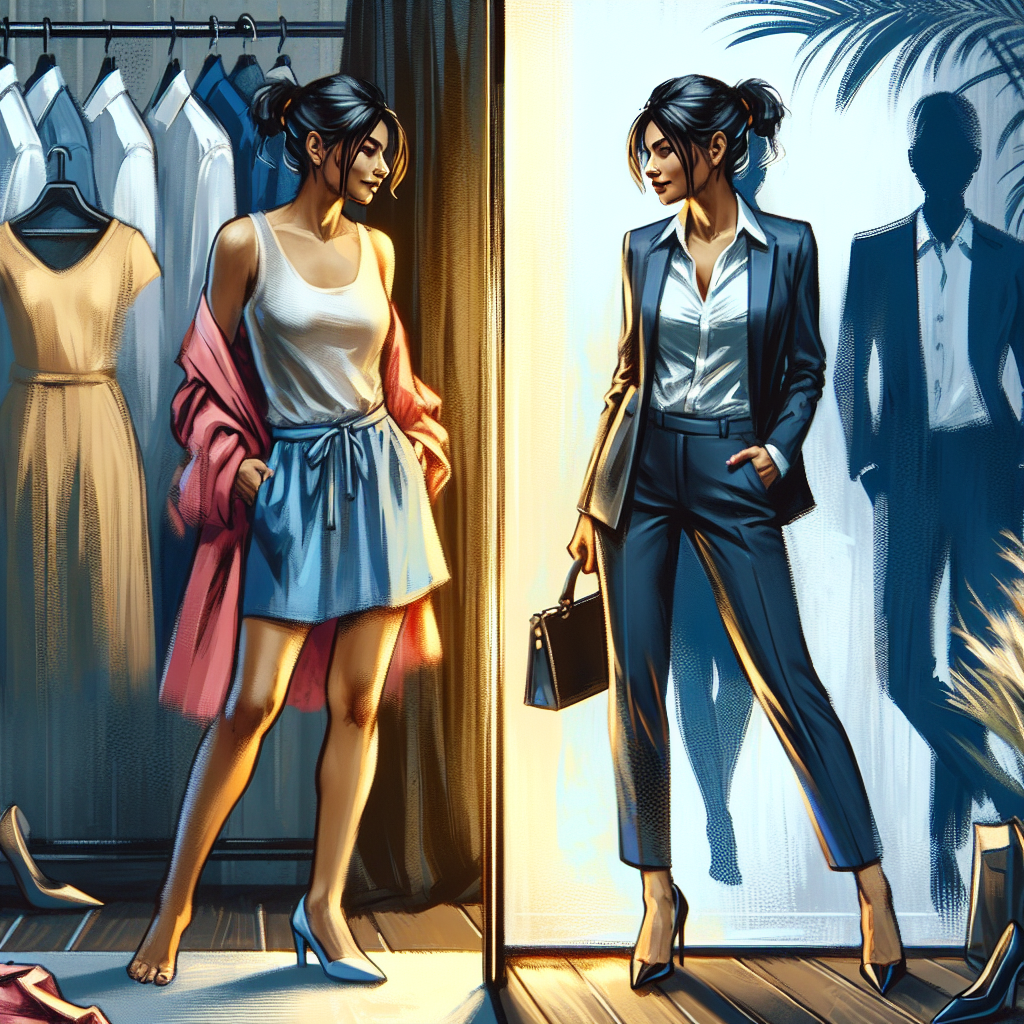
Have you ever noticed how putting on your favorite outfit can boost your mood and confidence? The psychology of clothing is powerful. Dressing well can influence how others perceive you and even how you perceive yourself. In professional settings, your attire can communicate authority, attention to detail, and respect for the workplace culture. It’s not just about looking good; it’s about feeling empowered to tackle any challenge that comes your way.

Understanding Industry Dress Codes
Each industry has its own set of unwritten rules and expectations when it comes to dress codes. Understanding these nuances can help you blend in while still maintaining your unique style. It’s essential to research and observe the dress habits of your peers and leaders in your field. This doesn’t mean you have to sacrifice your individuality, but rather, adapt it to fit within professional norms.
Dressing for Corporate Environments
In traditional corporate settings, such as finance or law, the dress code tends to be more conservative. Think tailored suits, crisp shirts, and polished shoes. Neutral colors like navy, black, and grey are staples. Accessories should be minimal but elegant. For women, a structured handbag and understated jewelry can complement a professional look. Remember, quality over quantity is key—invest in pieces that are timeless and durable.
Dressing for Creative Industries
Creative industries like advertising, design, and media often embrace more relaxed dress codes. Here, self-expression is encouraged, and your attire can reflect your creative spirit. Bold colors, patterns, and unique accessories are more acceptable. However, balance is crucial. While you can have fun with your wardrobe, ensure that your clothing is still professional and appropriate for client meetings or presentations.
Dressing for Tech and Startups
The tech and startup world is known for its casual dress codes. Jeans, t-shirts, and sneakers often replace the traditional suit and tie. However, casual doesn’t mean sloppy. Opt for well-fitted jeans and clean, stylish sneakers. A smart blazer can elevate a simple t-shirt and jeans combo for those unexpected investor meetings. The key here is to maintain a polished and put-together appearance, even in a laid-back environment.
Dressing for Hospitality and Retail
In hospitality and retail, your attire should be both functional and representative of the brand you work for. Uniforms are common, but when there’s room for personal style, opt for clean, comfortable clothing that allows you to move freely. Shoes should be practical yet stylish, as you’ll likely spend long hours on your feet. Remember, your appearance is part of the customer experience, so align your look with the brand’s image.
Dressing for Remote Work
With the rise of remote work, dressing for success at home has become a new challenge. While comfort is a priority, maintaining a professional appearance is still important for virtual meetings. Opt for smart casual outfits, such as a collared shirt or blouse paired with comfortable trousers. Keep accessories simple and your background tidy to ensure your appearance remains polished on screen.
Conclusion
Ultimately, dressing for success is about finding the right balance between fitting in with industry standards and showcasing your personal style. Pay attention to the details, invest in quality pieces, and always aim to project confidence and professionalism. Remember, your attire is an extension of your personal brand, so wear it with pride and authenticity.
FAQs
Q: How can I find out the dress code for a new job?
A: Start by researching the company culture on their website or social media profiles. During your interview, observe what employees are wearing. You can also ask HR or your hiring manager for guidance.
Q: Can I express my personal style while adhering to a strict dress code?
A: Yes, you can express your personal style through accessories, such as watches, ties, or subtle jewelry. Focus on quality materials and tailored fits to add a touch of personality to traditional attire.
Q: How often should I update my work wardrobe?
A: Aim to update your work wardrobe seasonally, adding a few key pieces each time. This keeps your look fresh and allows you to adapt to any changes in the dress code or industry trends.
Remember, the key to dressing for success is to feel comfortable and confident in your attire, regardless of the industry you’re in. With these tips in mind, you’re well-equipped to make a great impression and advance in your career. Happy dressing! 👔👗