
How to Build a Wardrobe That Reflects Your Values
How to Build a Wardrobe That Reflects Your Values: A Complete Guide to Conscious Fashion Choices
In a world where fast fashion dominates our shopping habits, building a wardrobe that truly reflects your values has become more important than ever. Your clothing choices speak volumes about who you are, what you believe in, and how you want to move through the world. Whether you prioritize sustainability, ethical manufacturing, minimalism, or self-expression, creating a values-driven wardrobe is both a personal journey and a powerful statement.
The average person makes countless decisions about clothing every day—from what to wear to work to what new pieces to add to their closet. But how often do we pause to consider whether these choices align with our deeper beliefs? Building a wardrobe that reflects your values isn’t just about looking good; it’s about feeling authentic, confident, and true to yourself every time you get dressed.
📋 Table of Contents
• Understanding Your Core Values
• Assessing Your Current Wardrobe
• Sustainable and Ethical Fashion Choices
• Quality Over Quantity: The Investment Mindset
• Supporting Brands That Align With Your Beliefs
• Building a Capsule Wardrobe
• Expressing Personal Style While Staying True to Values
• Maintaining and Caring for Your Values-Based Wardrobe
• Budget-Friendly Approaches to Conscious Fashion
Understanding Your Core Values 🌟
Before you can build a wardrobe that reflects your values, you need to clearly identify what those values are. This foundational step often gets overlooked, but it’s absolutely crucial for making consistent, meaningful choices about your clothing.
Start by asking yourself some deep questions. Do you value environmental sustainability? Are you passionate about supporting fair labor practices? Maybe you believe strongly in supporting local businesses, or perhaps minimalism and simplicity guide your lifestyle choices. Your values might include creativity, self-expression, professionalism, comfort, or cultural heritage.
Take some time to write down your top five values. Don’t overthink it—go with your gut instinct. These core principles will serve as your North Star when making future wardrobe decisions. For instance, if environmental protection ranks high on your list, you’ll naturally gravitate toward eco-friendly fabrics and brands with strong sustainability practices.
Remember, there’s no right or wrong set of values. What matters is that your choices feel authentic to you. Someone who values creativity might prioritize unique, artistic pieces, while someone focused on efficiency might prefer versatile basics that can be mixed and matched effortlessly.
Assessing Your Current Wardrobe 👗
Now comes the sometimes uncomfortable but always enlightening part: taking an honest look at what’s already hanging in your closet. This wardrobe audit will help you identify gaps between your stated values and your current clothing collection.
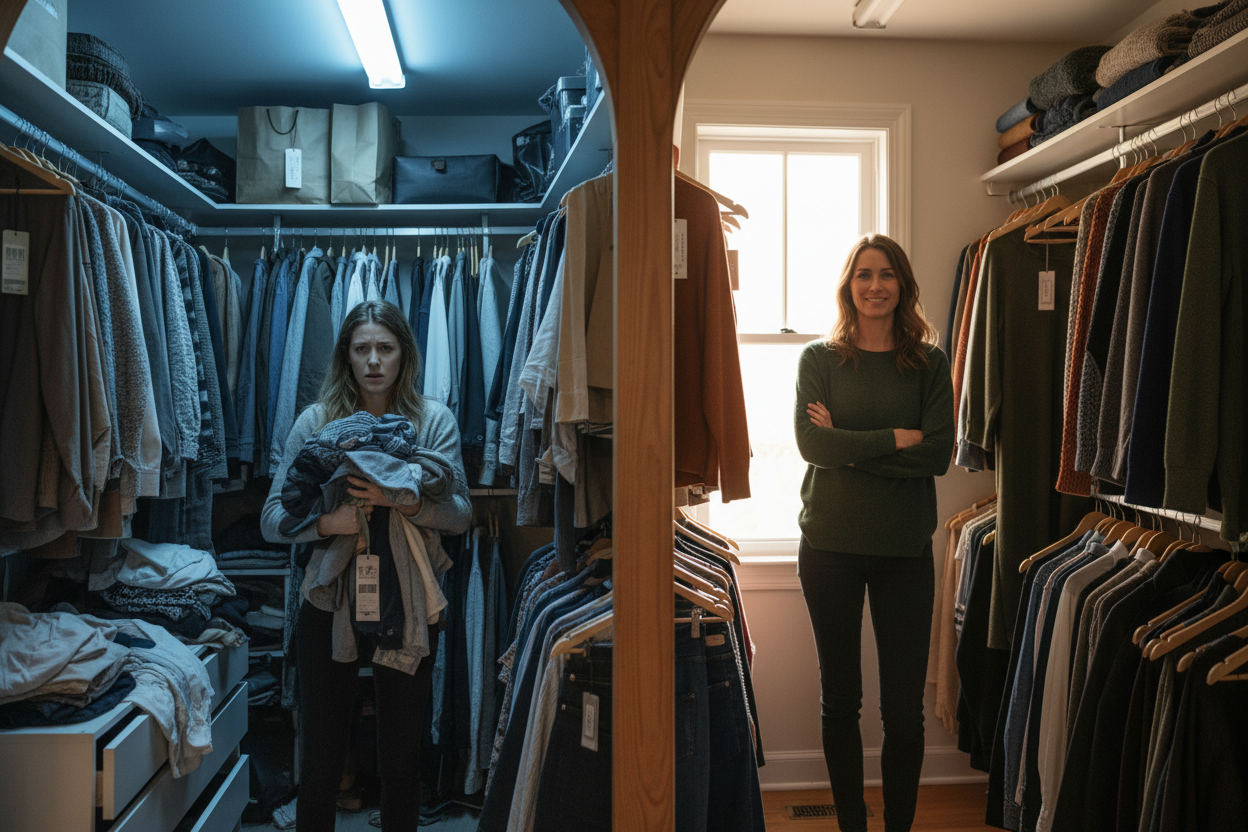
Pull everything out and sort items into categories. As you handle each piece, ask yourself: Does this item align with my values? Do I feel good wearing it? Does it represent who I am or who I want to be? You might discover that impulse purchases from fast fashion retailers don’t spark the same joy as that vintage jacket you found at a local thrift shop.
Create three piles: keep, donate, and maybe. The “keep” pile should contain items that make you feel confident and align with your values. The “donate” pile includes pieces that no longer serve you—and remember, donating extends the life of these garments. The “maybe” pile deserves a second look after you’ve had time to reflect.
This process often reveals patterns in our shopping behavior. You might notice you have too many similar items or that certain pieces never get worn. These insights will prove invaluable as you move forward with more intentional purchasing decisions.
Sustainable and Ethical Fashion Choices 🌱
If sustainability ranks among your core values, your wardrobe becomes a powerful tool for environmental activism. The fashion industry is one of the world’s largest polluters, but conscious consumers are driving positive change through their purchasing power.
Start by researching sustainable fabrics. Organic cotton, linen, hemp, and Tencel are excellent eco-friendly options. These materials often feel better against your skin and tend to be more durable than their conventional counterparts. Avoid synthetic fabrics when possible, as they shed microplastics during washing.
Look for certifications like GOTS (Global Organic Textile Standard) or OEKO-TEX, which ensure that textiles meet strict environmental and social criteria. These labels take the guesswork out of sustainable shopping and give you confidence in your choices.
Ethical manufacturing practices should also factor into your decisions. Research brands’ labor practices, fair wage policies, and working conditions. Many companies now publish detailed sustainability reports on their websites, making it easier than ever to make informed choices.
Consider the entire lifecycle of your clothing. How was it made? How long will it last? What happens when you’re done with it? Brands that offer repair services, take-back programs, or use recyclable materials demonstrate a commitment to circular fashion principles.
Quality Over Quantity: The Investment Mindset 💎
Shifting from a quantity-focused to a quality-focused approach represents one of the most impactful changes you can make. This mindset transformation affects not only what you buy but how you think about clothing altogether.
High-quality pieces cost more upfront but often prove more economical in the long run. A well-made wool coat might cost three times more than a fast fashion alternative, but if it lasts ten times longer, you’re actually saving money while reducing your environmental impact.
Learn to recognize quality construction. Look for details like reinforced seams, quality hardware, natural materials, and careful finishing. Feel the weight of the fabric—substantial materials typically indicate better quality. Check how the garment hangs and moves with your body.
Investment pieces should be versatile enough to work with multiple outfits and timeless enough to remain relevant for years. Think classic trench coats, well-fitted jeans, quality leather shoes, and versatile blazers. These foundational pieces form the backbone of a values-driven wardrobe.
Remember that quality doesn’t always mean expensive. Vintage and secondhand shops often carry beautifully made pieces at fraction of their original cost. Learning to spot quality wherever you shop will serve you well throughout your style journey.
Supporting Brands That Align With Your Beliefs 🤝
Your purchasing power is essentially a vote for the kind of world you want to live in. When you consistently choose brands that share your values, you’re supporting businesses that prioritize the same things you do.
Start by researching brands thoroughly. Visit their websites, read their mission statements, and look for transparency in their practices. Companies that align with conscious values typically aren’t shy about sharing their story, manufacturing processes, and impact initiatives.
Small, independent brands often offer the most alignment with personal values. These companies frequently prioritize quality, sustainability, and ethical practices over mass market appeal. Plus, supporting small businesses helps create a more diverse and resilient fashion ecosystem.
Don’t overlook local designers and makers. Shopping locally reduces transportation emissions and often allows you to build relationships with the people creating your clothes. Many cities have talented designers creating beautiful, unique pieces right in your backyard.
Consider brands that give back to causes you care about. Many companies donate a portion of profits to environmental organizations, social justice causes, or community development programs. Your clothing purchases can thus support multiple values simultaneously.
Building a Capsule Wardrobe ✨
A capsule wardrobe represents the ultimate expression of intentional dressing. This curated collection of essential pieces can be mixed and matched to create numerous outfits, reducing decision fatigue while ensuring everything you own serves a purpose.
Start with a color palette that reflects your personality while ensuring everything coordinates. Neutrals like black, white, gray, and navy provide a solid foundation, while one or two accent colors add personality. This approach makes getting dressed simpler and shopping more focused.
Identify your lifestyle needs honestly. If you work from home, prioritize comfortable yet polished pieces. If you have an active social life, ensure you have appropriate options for various occasions. Your capsule should reflect how you actually live, not how you think you should live.
Aim for versatility in every piece. A well-chosen dress should work for both professional settings and weekend activities. A quality blazer should elevate casual outfits and complement formal wear. This versatility maximizes the value of every item in your closet.
Remember that capsule wardrobes can evolve seasonally. You might rotate heavier pieces out during summer and bring them back for winter. This approach keeps your closet manageable while ensuring you’re always prepared for the weather.
Expressing Personal Style While Staying True to Values 🎨
Building a values-driven wardrobe doesn’t mean sacrificing personal style or creativity. In fact, the constraint of shopping more thoughtfully often leads to more distinctive, authentic style choices.
Use accessories to inject personality and express your creativity. Scarves, jewelry, bags, and shoes can dramatically change the mood of an outfit without requiring entirely new garments. These smaller pieces also allow for more experimental choices since they represent smaller investments.
Embrace the art of styling. Learning to wear the same pieces in different ways multiplies your outfit options while showcasing your creativity. A simple dress can be styled casually with sneakers and a denim jacket or dressed up with heels and statement jewelry.
Don’t be afraid to incorporate vintage or unique pieces that speak to you. These one-of-a-kind finds often become conversation starters and help you stand out in a world of mass-produced clothing. They also typically align well with sustainability values.
Consider learning basic alteration skills or finding a good tailor. Being able to adjust fit and modify pieces allows you to make items truly your own while extending their lifespan. A simple hem adjustment or taking in a waist can transform how a piece looks and feels.
Maintaining and Caring for Your Values-Based Wardrobe 🧺
Proper care is essential for maximizing the lifespan of your carefully chosen pieces. Good maintenance practices align with sustainability values while protecting your investment in quality clothing.
Learn to read care labels and follow instructions carefully. Many garments last significantly longer when cared for properly. Washing in cold water, air drying when possible, and using appropriate detergents can prevent premature wear and fading.
Invest in quality hangers, storage solutions, and garment care tools. Cedar blocks help prevent moths, while proper hangers maintain garment shape. These small investments pay dividends in terms of clothing longevity.
Address repairs promptly. A small hole or loose button can quickly become a major problem if ignored. Learning basic mending skills or finding a reliable repair service helps you maintain your wardrobe in excellent condition.
Consider seasonal storage for items you don’t wear year-round. Properly storing off-season clothing prevents damage and keeps your daily wardrobe manageable. Clean items before storing and use breathable garment bags to prevent moisture and pest damage.
Budget-Friendly Approaches to Conscious Fashion 💰
Building a values-driven wardrobe doesn’t require a luxury budget. With creativity and patience, you can align your clothing choices with your beliefs regardless of financial constraints.
Thrift shopping and consignment stores offer incredible opportunities to find quality pieces at affordable prices. These venues often carry designer items, vintage treasures, and barely worn pieces at fractions of their original cost. Plus, buying secondhand extends the life of existing garments.
Organize clothing swaps with friends or community groups. These events allow you to refresh your wardrobe without spending money while giving new life to pieces you no longer wear. It’s social, sustainable, and budget-friendly.
Focus on cost-per-wear rather than upfront price. A $200 coat that you wear 100 times costs $2 per wear, while a $50 coat worn 10 times costs $5 per wear. This perspective helps justify investments in quality pieces that align with your values.
Take advantage of end-of-season sales from ethical brands. Many sustainable fashion companies offer significant discounts when transitioning between seasons. Sign up for newsletters from your favorite values-aligned brands to stay informed about sales.
Conclusion
Building a wardrobe that reflects your values is ultimately about creating alignment between your beliefs and your daily choices. It’s a journey that requires patience, self-reflection, and sometimes difficult decisions about letting go of items that no longer serve you.
Remember that this process doesn’t happen overnight. Start with small changes and gradually shift toward more conscious choices. Every purchase is an opportunity to vote for the kind of world you want to live in, and every piece you choose to keep or let go shapes the person you’re becoming.
The most beautiful thing about a values-driven wardrobe is how it makes you feel. When your clothing choices align with your beliefs, getting dressed becomes an act of self-expression and authenticity. You’ll find yourself feeling more confident, more comfortable, and more true to yourself every single day.
Your wardrobe is ultimately a reflection of your journey, your growth, and your commitment to living according to your principles. Embrace the process, celebrate small victories, and remember that every conscious choice you make contributes to positive change in the fashion industry and beyond.
❓ Frequently Asked Questions
How long does it take to build a values-driven wardrobe?
Building a wardrobe that truly reflects your values is an ongoing process rather than a destination. Most people see significant progress within 6-12 months of conscious effort, but the journey continues as your values and lifestyle evolve.
Is sustainable fashion always more expensive?
While quality sustainable pieces often cost more upfront, they typically offer better value over time due to their durability. Additionally, thrift shopping, clothing swaps, and end-of-season sales make sustainable fashion accessible at various price points.
How do I know if a brand truly aligns with my values?
Research brands thoroughly by reading their mission statements, sustainability reports, and third-party certifications. Look for transparency in their supply chain and manufacturing processes. Be wary of vague claims without specific supporting information.
Can I still follow fashion trends with a values-based wardrobe?
Absolutely! You can incorporate trends through accessories, styling techniques, or by choosing trend-inspired pieces from ethical brands. The key is being selective and ensuring trend pieces can be integrated into your existing wardrobe.
What should I do with clothing that doesn’t align with my values anymore?
Donate items in good condition to extend their lifespan, sell pieces that have resale value, or repurpose materials for other uses. The goal is to prevent usable clothing from ending up in landfills while transitioning to more aligned choices.