Exploring ‘The World We Live In’ Through Fashion: How Global Events Influence Our Wardrobe Choices
Exploring ‘The World We Live In’ Through Fashion: How Global Events Influence Our Wardrobe Choices
In a world that is ever-evolving, our fashion choices often mirror the zeitgeist of the times. From political upheavals to environmental crises, global events have a significant impact on the clothes we wear every day. In this blog post, we’ll delve into how these events shape our wardrobes, reflecting broader societal changes and individual expressions. Let’s embark on a journey through the intersection of fashion and world affairs, exploring the dynamic relationship between the two.
Table of Contents
1. Introduction
2. The Political Influence on Fashion
3. Environmental Consciousness and Sustainable Fashion
4. Economic Factors and Fashion Trends
5. Social Movements and Their Fashion Statements
6. The Role of Technology in Fashion Evolution
7. Conclusion
8. FAQs
The Political Influence on Fashion
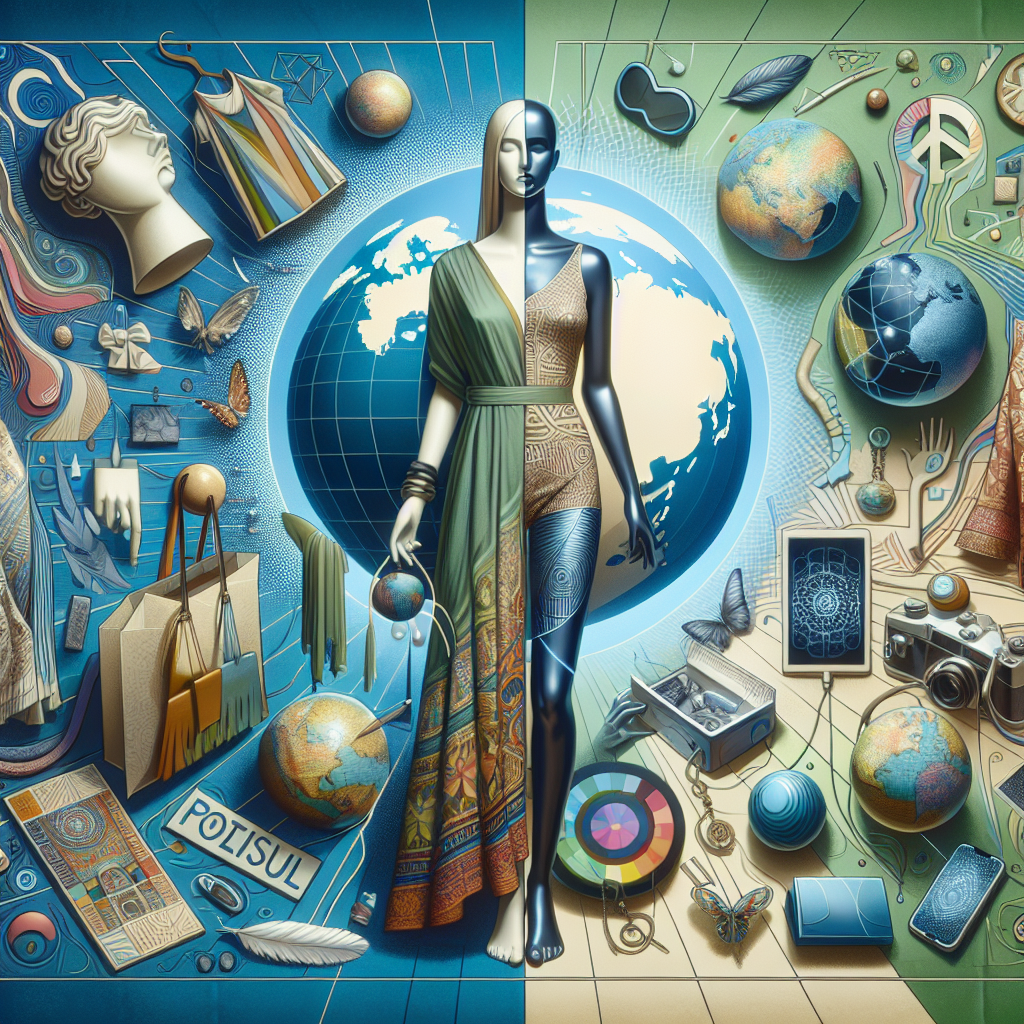
Politics and fashion have a long-standing relationship, often serving as a canvas for political statements. Historical events, such as the French Revolution, have drastically altered the fashion landscape. In contemporary times, political movements like feminism and LGBTQ+ rights have seen fashion become a medium for advocacy. For instance, the rise of slogan tees during the 2016 U.S. presidential election showcased how our clothing choices can convey powerful messages. 🗳️
Fashion designers frequently draw inspiration from political climates, creating collections that resonate with the public’s sentiments. This symbiotic relationship not only highlights the power of fashion as a tool for expression but also helps drive awareness and change.
Environmental Consciousness and Sustainable Fashion
As our planet faces unprecedented environmental challenges, the fashion industry is increasingly turning towards sustainability. The rise of eco-friendly materials and practices is a direct response to the growing awareness of climate change and environmental degradation. 🌍
Brands are now prioritizing sustainable production methods, such as using organic cotton or recycled materials, to reduce their carbon footprint. The trend of “slow fashion” encourages consumers to make mindful purchases, opting for quality over quantity. This shift not only caters to environmentally conscious consumers but also aligns with global efforts to combat climate change.
Economic Factors and Fashion Trends
Economic stability, or the lack thereof, plays a crucial role in shaping fashion trends. During times of economic prosperity, fashion tends to be more extravagant and experimental, as seen in the 1920s and 1980s. In contrast, economic downturns often lead to more conservative styles, with consumers opting for practical and durable clothing. 💼
The 2008 financial crisis, for example, saw a rise in minimalist fashion, where simplicity and functionality became key. This trend reflects a broader societal shift towards frugality and resourcefulness, influencing how we perceive value in our wardrobes.
Social Movements and Their Fashion Statements
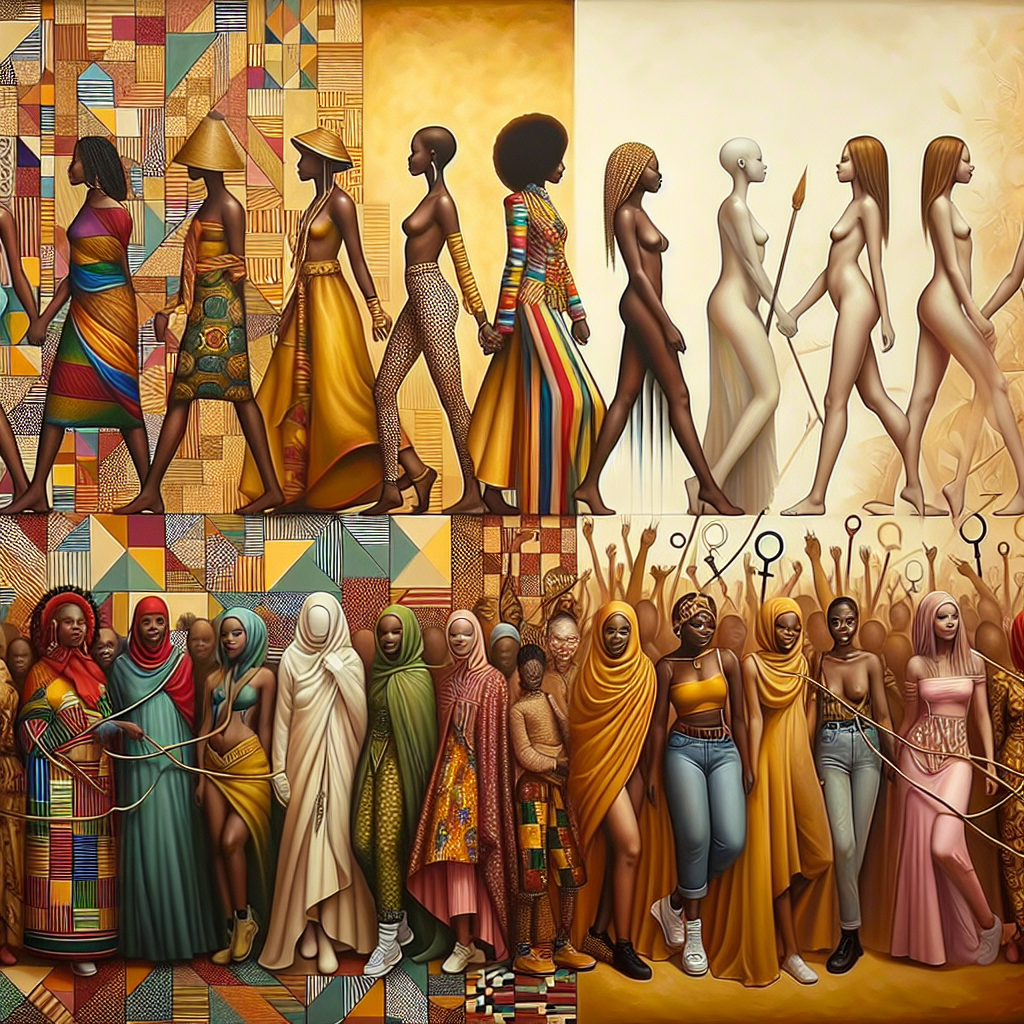
Social movements have always been catalysts for change, and their influence on fashion is no exception. The Civil Rights Movement, for example, brought about the popularization of African prints and styles, celebrating cultural identity and pride. In recent years, the body positivity movement has challenged traditional beauty standards, leading to more inclusive sizing and diverse representation in fashion. ✊🏿✊🏽✊🏻
The #MeToo movement has also left its mark, encouraging brands to prioritize ethical practices and create safe working environments. These movements not only redefine societal norms but also empower individuals to express their identities through fashion.
The Role of Technology in Fashion Evolution
Technology continues to revolutionize the fashion industry, influencing how we design, produce, and consume clothing. The advent of social media platforms like Instagram has democratized fashion, giving rise to influencers who shape trends and consumer behavior. 📱
Moreover, advancements in technology have led to innovations such as 3D printing and virtual fitting rooms, enhancing the shopping experience. These technological developments not only cater to consumer demands for convenience and personalization but also push the boundaries of creativity in fashion design.
Conclusion
Fashion is more than just clothing; it’s a reflection of the world we live in. As global events continue to shape society, they inevitably influence our wardrobe choices. From political movements to technological advancements, the interplay between fashion and world affairs highlights the dynamic nature of the industry. By understanding these influences, we can appreciate the deeper significance behind our fashion choices and their impact on society.
FAQs
1. How does politics influence fashion trends?
Politics often inspires fashion designers to create collections that reflect societal sentiments, and garments like slogan tees can serve as a platform for political expression.
2. Why is sustainable fashion important?
Sustainable fashion is crucial in reducing the environmental impact of clothing production, promoting eco-friendly practices, and encouraging consumers to make mindful purchases.
3. Can economic factors really change how people dress?
Yes, economic conditions influence consumer behavior, often leading to more conservative styles during downturns and extravagant trends during prosperous times.
4. How do social movements impact fashion?
Social movements challenge traditional norms, leading to more inclusive sizing, diverse representation, and ethical practices in the fashion industry.
5. What role does technology play in fashion?
Technology revolutionizes the fashion industry by enhancing design processes, consumer experiences, and trend dissemination through platforms like social media.