
Exploring the Impact of Climate Change on Fashion: How Global Events Shape Our Wardrobe Choices
Exploring the Impact of Climate Change on Fashion: How Global Events Shape Our Wardrobe Choices
Table of Contents
1. Introduction: When Weather Meets Wardrobe
2. The Science Behind Climate-Driven Fashion Trends
3. Extreme Weather Events and Seasonal Clothing Shifts
4. Sustainable Fashion: A Response to Environmental Awareness
5. Technology Meets Climate Adaptation in Fashion
6. Economic Implications of Climate-Influenced Fashion
7. Regional Fashion Adaptations to Changing Climates
8. The Future of Climate-Conscious Fashion
9. Frequently Asked Questions
Introduction: When Weather Meets Wardrobe 🌍
Have you ever noticed how your closet has evolved over the past decade? Perhaps you’ve found yourself reaching for lighter fabrics more often, investing in waterproof gear, or questioning the ethics behind your favorite brands. You’re not alone in this fashion evolution – climate change is quietly revolutionizing the way we dress, shop, and think about our wardrobes.
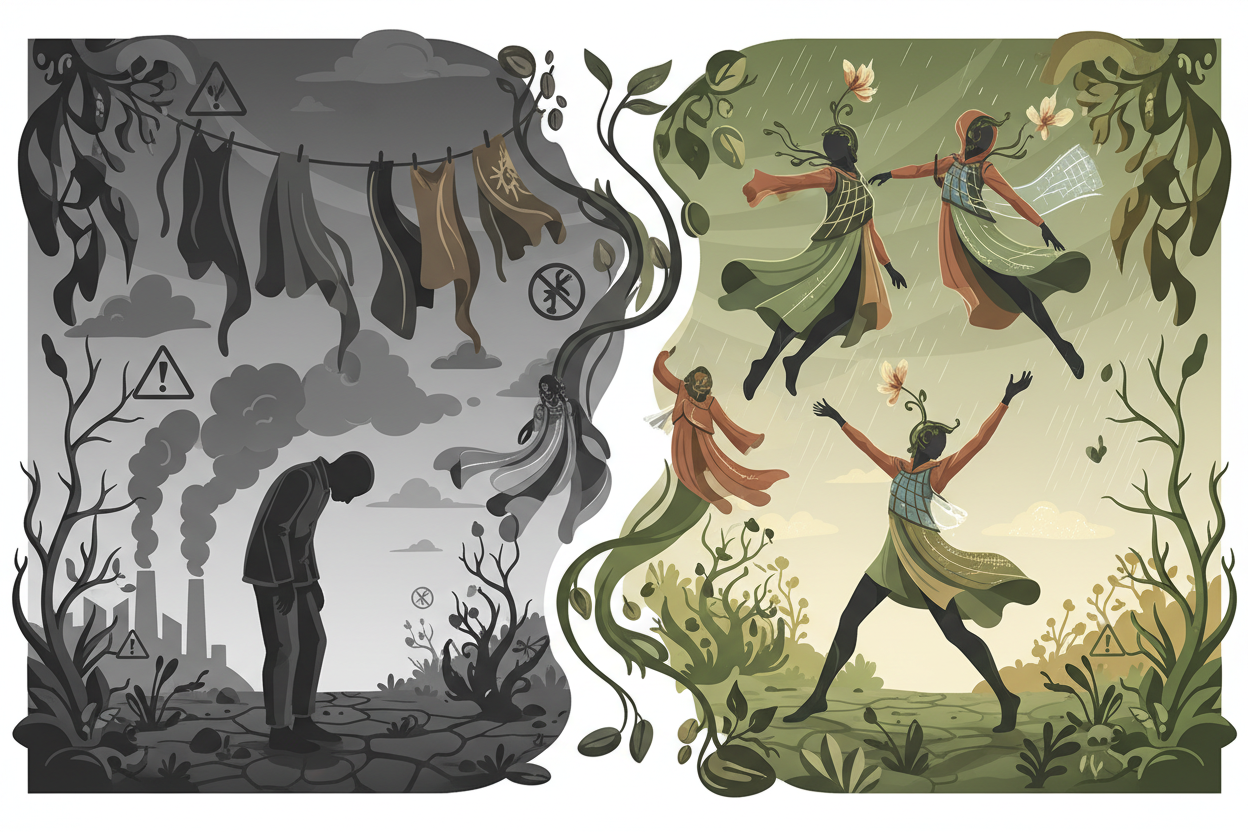
The relationship between climate and clothing isn’t new. Humans have always adapted their attire to their environment. However, today’s rapidly changing climate patterns are accelerating fashion transformations at an unprecedented pace. From unpredictable weather patterns forcing us to layer differently to growing environmental consciousness reshaping our shopping habits, climate change is becoming one of the most influential forces in modern fashion.
This shift goes beyond simply swapping wool coats for lighter jackets. It’s fundamentally changing how designers create, how brands market, and how consumers choose their clothing. The fashion industry, once criticized for its environmental impact, is now grappling with both contributing to and adapting to climate change – creating a complex web of challenges and opportunities that affect every piece of clothing in your wardrobe.
The Science Behind Climate-Driven Fashion Trends 🔬
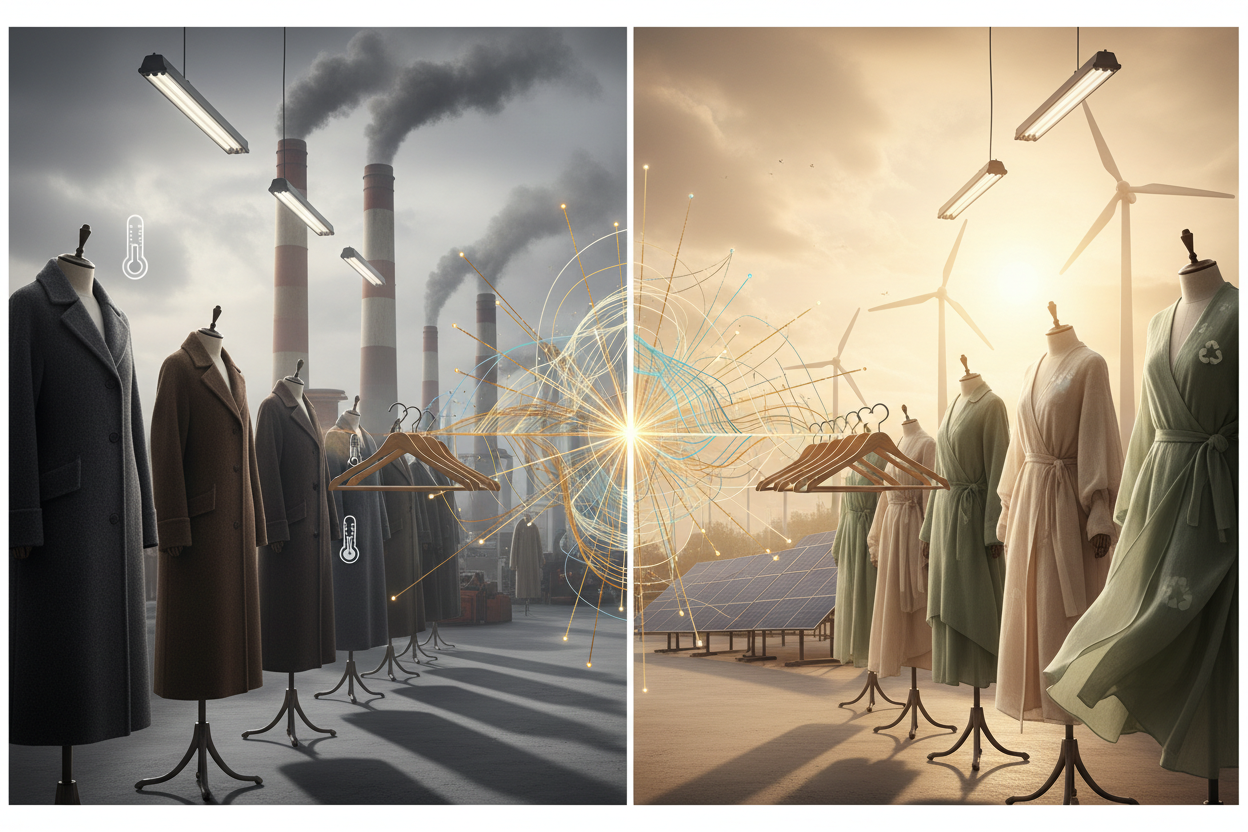
Understanding how climate change influences fashion requires looking at the data. Global temperatures have risen by approximately 1.1°C since pre-industrial times, but this seemingly small change has massive implications for how we dress. Weather patterns are becoming more erratic, with some regions experiencing unprecedented heat waves while others face unusual cold snaps.
Fashion designers and retailers now rely heavily on meteorological data to predict trends and plan collections. Traditional seasonal planning is becoming obsolete as spring arrives earlier, summers extend longer, and winter weather becomes increasingly unpredictable. This has led to the rise of “transitional” clothing – versatile pieces that can adapt to sudden temperature changes.
The concept of “micro-seasons” has emerged as brands release smaller, more frequent collections to match rapidly changing weather patterns. Instead of the traditional four seasons, some retailers now work with six to eight micro-seasons, allowing for more responsive and climate-appropriate fashion offerings. This shift represents a fundamental change in how the fashion industry operates, moving from predictable seasonal cycles to dynamic, weather-responsive strategies.
Extreme Weather Events and Seasonal Clothing Shifts ⛈️
Recent extreme weather events have dramatically influenced our clothing choices. The increasing frequency of heat waves has boosted demand for UV-protective clothing, breathable fabrics, and cooling technologies in garments. Simultaneously, unexpected cold snaps and severe storms have increased sales of versatile outerwear that can handle multiple weather scenarios.
Take the polar vortex events that have hit North America in recent years. These sudden temperature drops caught many people unprepared, leading to a surge in demand for extreme cold weather gear in regions that traditionally didn’t require such clothing. Similarly, the record-breaking heat waves in Europe have driven innovation in cooling fabrics and heat-reflective clothing technologies.
Flooding events worldwide have also influenced fashion choices, with waterproof and quick-dry materials becoming mainstream rather than niche outdoor gear. The rise of “weather-agnostic” clothing – garments designed to perform well in various weather conditions – reflects our need to be prepared for increasingly unpredictable climate patterns.
Fashion weeks around the world now showcase collections that emphasize adaptability and weather resistance. Designers are incorporating features like detachable layers, convertible garments, and weather-responsive materials that change properties based on environmental conditions. This practical approach to fashion represents a significant shift from purely aesthetic considerations to functional, climate-adapted design.
Sustainable Fashion: A Response to Environmental Awareness 🌱
Climate awareness has sparked a sustainable fashion revolution that’s reshaping consumer behavior and industry practices. The fashion industry is responsible for approximately 10% of global carbon emissions, making it a significant contributor to the climate crisis. This realization has prompted both consumers and brands to reconsider their approach to clothing production and consumption.
The slow fashion movement has gained tremendous momentum as people become more conscious of their environmental impact. Consumers are increasingly choosing quality over quantity, investing in durable pieces that last longer rather than fast fashion items that quickly end up in landfills. This shift has led to the rise of capsule wardrobes, clothing rental services, and second-hand fashion markets.
Sustainable materials have become a major focus for fashion brands. Organic cotton, recycled polyester, hemp, and innovative materials like mushroom leather and lab-grown fabrics are gaining popularity. These eco-friendly alternatives not only reduce environmental impact but often offer superior performance characteristics for climate-adapted clothing.
The concept of circular fashion – designing clothes for longevity, repairability, and eventual recycling – has emerged as a response to both climate concerns and resource scarcity. Brands are implementing take-back programs, offering repair services, and designing garments that can be easily disassembled and recycled at the end of their life cycle.
Technology Meets Climate Adaptation in Fashion 💡
Technological innovation in fashion has accelerated in response to climate challenges. Smart fabrics that can regulate temperature, moisture-wicking materials that keep you dry in humid conditions, and UV-protective textiles that shield you from intensified solar radiation are becoming standard features in modern clothing.
Phase change materials (PCMs) represent one of the most exciting developments in climate-adaptive fashion. These materials can absorb, store, and release heat, helping maintain comfortable body temperature as environmental conditions change. Originally developed for space applications, PCMs are now being integrated into everyday clothing, from business suits to athletic wear.
Nanotechnology has enabled the creation of fabrics with enhanced properties without adding bulk or weight. Nano-coatings can make garments water-repellent, stain-resistant, and antimicrobial while maintaining breathability and comfort. These technologies are particularly valuable as climate change increases the likelihood of encountering diverse and challenging weather conditions.
Wearable technology is also playing a role in climate adaptation. Smart clothing with embedded sensors can monitor environmental conditions and adjust properties accordingly. Some garments can even connect to weather apps to provide personalized comfort recommendations based on current and forecasted conditions.
Economic Implications of Climate-Influenced Fashion 💰
The economic impact of climate change on fashion extends far beyond individual purchasing decisions. Supply chain disruptions caused by extreme weather events have forced brands to diversify their manufacturing locations and develop more resilient production networks. Cotton crops affected by droughts, flooding in manufacturing regions, and transportation disruptions have all contributed to increased costs and supply uncertainties.
Consumer spending patterns are also shifting in response to climate concerns. While some segments are willing to pay premium prices for sustainable and climate-adapted clothing, others are reducing overall fashion consumption or turning to second-hand markets. This has created new business models and market opportunities while challenging traditional retail strategies.
The insurance and finance sectors are beginning to factor climate risks into fashion industry investments. Companies with strong sustainability credentials and climate adaptation strategies are increasingly viewed as better long-term investments, while those lagging in environmental responsibility face higher borrowing costs and reduced investor interest.
Regional economic impacts vary significantly based on local climate changes. Areas experiencing increased heat may see growth in cooling clothing markets, while regions facing more severe storms might drive demand for protective and waterproof garments. These shifts are creating new economic opportunities in some areas while challenging traditional fashion centers.
Regional Fashion Adaptations to Changing Climates 🌏
Different regions are adapting to climate change in unique ways, creating diverse fashion responses around the world. In the Middle East and North Africa, where temperatures are rising rapidly, there’s increased innovation in traditional cooling garments and modern interpretations of desert-adapted clothing. Lightweight, breathable fabrics with enhanced UV protection are becoming essential wardrobe components.
Northern European countries, experiencing milder winters and more unpredictable weather, are seeing shifts toward versatile layering systems and transitional clothing. The traditional heavy winter coat is being replaced by sophisticated layering systems that can adapt to rapidly changing conditions throughout the day.
Island nations and coastal regions facing rising sea levels and increased storm activity are driving innovation in waterproof and quick-dry clothing. These areas are becoming testing grounds for new materials and designs that can handle high humidity, salt exposure, and frequent weather changes.
Mountain regions experiencing changing snow patterns and temperatures are influencing outdoor gear development. Ski clothing that can handle both traditional snow conditions and increasingly common rain-on-snow events is becoming more sophisticated and versatile.
The Future of Climate-Conscious Fashion 🔮
Looking ahead, the relationship between climate change and fashion will only deepen. Predictive analytics and artificial intelligence are being deployed to better forecast weather patterns and consumer needs, enabling more responsive and efficient fashion production. This technology could help reduce waste while ensuring people have appropriate clothing for changing conditions.
Biomaterials represent another frontier in climate-adapted fashion. Scientists are developing fabrics from algae, bacteria, and other organisms that can grow quickly with minimal environmental impact. These materials could provide sustainable alternatives to both synthetic and traditional natural fibers while offering enhanced performance characteristics.
The concept of “climate refugees” in fashion is emerging as certain traditional materials become less viable due to changing growing conditions. This is driving research into alternative fibers and materials that can thrive in new climate conditions or be produced through controlled indoor farming.
Personalization and on-demand manufacturing are likely to play larger roles as consumers seek clothing specifically adapted to their local climate conditions and personal needs. 3D printing and other advanced manufacturing techniques could enable localized production of climate-specific garments, reducing transportation emissions while providing better-adapted clothing.
Conclusion: Dressing for Our Changing World 🌈
The impact of climate change on fashion represents one of the most significant transformations the industry has ever experienced. From the clothes we choose to wear each morning to the global supply chains that bring those garments to our closets, climate change is reshaping every aspect of fashion.
This transformation presents both challenges and opportunities. While extreme weather events and changing patterns disrupt traditional fashion cycles, they also drive innovation in materials, design, and business models. The growing awareness of fashion’s environmental impact is pushing the industry toward more sustainable practices that benefit both the planet and consumers.
As individuals, our clothing choices have become more than personal style statements – they’re expressions of our values and adaptations to our changing environment. Whether we’re choosing sustainable brands, investing in versatile pieces, or embracing new technologies, we’re all participating in fashion’s climate evolution.
The future of fashion will be defined by its ability to adapt to and mitigate climate change. As we face an uncertain climate future, our wardrobes will continue to evolve, becoming more functional, sustainable, and responsive to the world around us. The question isn’t whether climate change will continue to influence fashion, but how quickly and effectively the industry can adapt to meet these challenges while creating clothing that helps us thrive in our changing world.
Frequently Asked Questions ❓
How is climate change affecting seasonal fashion collections?
Climate change is making traditional seasonal collections obsolete. Brands are moving toward micro-seasons with 6-8 smaller collections per year to adapt to unpredictable weather patterns. This allows for more responsive fashion that matches actual climate conditions rather than calendar seasons.
What materials are best for climate-adaptive clothing?
Climate-adaptive materials include moisture-wicking synthetics, phase change materials for temperature regulation, organic cotton for breathability, and innovative options like mushroom leather and recycled polyester. The best choice depends on your specific climate challenges and personal values.
Is sustainable fashion more expensive than traditional clothing?
While sustainable fashion often has higher upfront costs, it typically offers better value long-term through durability and timeless design. Additionally, the growing second-hand market and clothing rental services are making sustainable options more accessible at various price points.
How can I make my current wardrobe more climate-friendly?
Focus on versatile layering pieces, invest in quality items that last longer, care for your clothes properly to extend their life, and consider alterations instead of replacements. Shopping your own closet and mixing existing pieces in new ways can refresh your style without environmental impact.
What role does technology play in climate-adapted fashion?
Technology enables smart fabrics that regulate temperature, moisture-wicking materials, UV protection, and even garments that can change properties based on environmental conditions. Wearable tech also helps monitor climate conditions and optimize comfort.
Will climate change make certain fashion styles obsolete?
Rather than making styles obsolete, climate change is driving adaptation and innovation within existing styles. Traditional garments are being reimagined with new materials and technologies to maintain aesthetic appeal while improving climate performance.