
How to Use Fashion to Celebrate Diversity and Inclusion
How to Use Fashion to Celebrate Diversity and Inclusion: A Style Guide for Everyone 🌈
Fashion has always been more than just clothing—it’s a powerful form of self-expression, cultural storytelling, and social commentary. In today’s interconnected world, fashion serves as a beautiful canvas for celebrating diversity and promoting inclusion. Whether you’re curating your personal wardrobe, running a fashion brand, or simply looking to support inclusive practices, understanding how to use fashion as a tool for diversity celebration can create meaningful impact while looking absolutely fabulous.
The beauty of inclusive fashion lies in its ability to honor different cultures, body types, abilities, and identities while breaking down barriers that have historically excluded many from the fashion conversation. Let’s explore how you can harness the transformative power of style to create a more inclusive and diverse fashion landscape.

Table of Contents
• Understanding Fashion as Cultural Expression
• Supporting Diverse Designers and Brands
• Embracing Cultural Appreciation vs. Appropriation
• Building an Inclusive Wardrobe
• Fashion for All Body Types and Abilities
• Creating Inclusive Fashion Communities
• Sustainable and Ethical Fashion Choices
• FAQs
Understanding Fashion as Cultural Expression 🎨
Fashion serves as a visual language that speaks volumes about our heritage, values, and identity. Every culture has contributed unique elements to the global fashion tapestry—from the intricate beadwork of Native American tribes to the vibrant prints of West African textiles, from the elegant draping of Indian saris to the structured silhouettes of Japanese kimono.
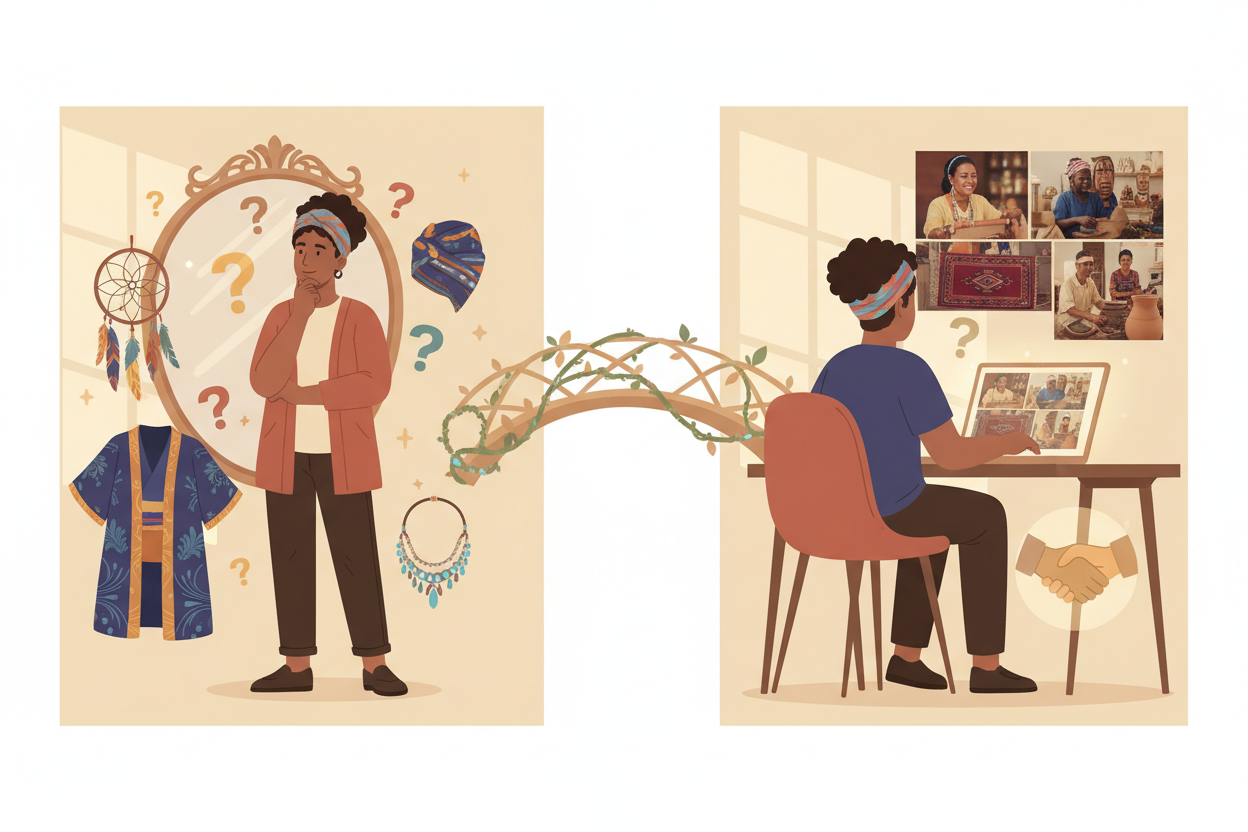
When we understand fashion as cultural expression, we begin to see our wardrobes as opportunities to celebrate the rich diversity of human creativity. This doesn’t mean randomly mixing cultural elements, but rather approaching fashion with respect, knowledge, and appreciation for the stories behind each piece.
Consider how traditional garments have influenced modern fashion: the adoption of denim from American workwear, the global love for sneakers that originated in athletic culture, or how streetwear has democratized high fashion. These examples show how fashion naturally evolves through cultural exchange when done respectfully.
Supporting Diverse Designers and Brands ✊
One of the most direct ways to use fashion for diversity celebration is by consciously supporting designers and brands from underrepresented communities. The fashion industry has historically been dominated by a narrow demographic, but change is happening as consumers demand more inclusive representation.
Research emerging designers from different ethnic backgrounds, LGBTQ+ creators, and brands founded by people with disabilities. Many of these designers bring fresh perspectives and innovative approaches to fashion that challenge conventional norms. When you purchase from diverse brands, you’re not just buying clothing—you’re investing in representation and supporting economic empowerment within marginalized communities.
Look for brands that prioritize diversity not just in their marketing but in their entire supply chain, from design teams to manufacturing partnerships. Some brands to explore include Aurora James’s Brother Vellies, Kerby Jean-Raymond’s Pyer Moss, or Christopher John Rogers, each bringing unique cultural perspectives to their designs.
Embracing Cultural Appreciation vs. Appropriation 🤝
Navigating the fine line between cultural appreciation and appropriation is crucial when using fashion to celebrate diversity. Cultural appreciation involves respectfully honoring and learning about other cultures, while appropriation typically involves taking elements without permission, understanding, or credit.
To practice cultural appreciation through fashion, start by educating yourself about the significance of certain garments, patterns, or accessories. If you’re drawn to a particular cultural style, research its history and meaning. Consider purchasing authentic pieces from artisans within that culture rather than mass-produced imitations.
When wearing culturally significant items, context matters. A traditional ceremony might call for authentic cultural dress, while everyday wear might be better suited to inspired pieces that don’t carry sacred or ceremonial significance. Always ask yourself: Am I honoring this culture or simply using it as a costume?
Building an Inclusive Wardrobe 👗
Creating an inclusive wardrobe means curating pieces that reflect your values while remaining versatile and authentic to your personal style. This doesn’t require a complete closet overhaul—small, intentional changes can make a significant impact.
Start by incorporating pieces from diverse designers or brands with inclusive missions. Look for items that tell stories—perhaps a scarf from a women’s cooperative, jewelry from fair trade artisans, or clothing from brands that employ refugees or formerly incarcerated individuals.
Consider versatile pieces that can be styled multiple ways, allowing you to experiment with different cultural influences respectfully. A well-made wrap can be styled as a head covering, belt, or shawl, adapting to various cultural styling methods while remaining appropriate for your context.
Don’t forget about accessories—they’re often the easiest way to incorporate diverse elements into your wardrobe. Bags, jewelry, and shoes from different cultural traditions can add meaningful touches to any outfit while supporting artisans worldwide.
Fashion for All Body Types and Abilities ♿
Inclusive fashion extends beyond cultural diversity to encompass body diversity and accessibility. The fashion industry has made strides in recent years toward size inclusivity, but there’s still work to be done in creating truly accessible fashion for people with disabilities.
Support brands that offer extended size ranges and adaptive clothing options. Adaptive fashion includes features like magnetic closures for people with limited dexterity, seated-wear for wheelchair users, or sensory-friendly fabrics for individuals with autism or sensory processing differences.
When shopping, look for brands that use diverse models in their campaigns—not just in terms of race and ethnicity, but also body size, age, and ability. This representation helps normalize diversity and shows that fashion truly is for everyone.
If you’re designing or creating fashion content, consider accessibility in your choices. This might mean providing detailed descriptions for visually impaired followers, using diverse models, or creating content that celebrates all body types.
Creating Inclusive Fashion Communities 🤗
Fashion communities—whether online or offline—have the power to either perpetuate exclusion or foster incredible inclusivity. You can contribute to positive change by actively creating and participating in inclusive fashion spaces.
On social media, follow and engage with diverse fashion creators. Share content from underrepresented voices, and use your platform to amplify inclusive messages. When commenting on fashion content, focus on positivity and avoid perpetuating harmful beauty standards or cultural stereotypes.
In offline settings, support inclusive fashion events, diverse fashion weeks, and community initiatives that celebrate different cultures and identities. Many cities host cultural fashion shows, sustainable fashion markets, or adaptive fashion showcases that deserve community support.
Consider organizing or participating in clothing swaps that welcome people of all sizes and styles. These events promote sustainability while creating opportunities for community connection across diverse groups.
Sustainable and Ethical Fashion Choices 🌱
Diversity and inclusion in fashion must also consider environmental and labor justice. The fast fashion industry often exploits workers in developing countries, predominantly affecting women and marginalized communities. By choosing sustainable and ethical fashion options, you’re supporting inclusive practices that benefit people and the planet.
Research brands’ labor practices and environmental policies. Look for certifications like Fair Trade, B-Corp status, or membership in organizations promoting ethical fashion. Many sustainable brands also prioritize diversity in their business practices, creating a positive cycle of inclusive impact.
Consider the lifecycle of your clothing purchases. Investing in quality pieces from diverse designers often means supporting smaller businesses while reducing environmental impact. When you do need to dispose of clothing, donate to organizations that serve diverse communities or participate in textile recycling programs.
Frequently Asked Questions
How can I tell if I’m culturally appropriating through my fashion choices?
Ask yourself these questions: Do I understand the cultural significance of this item? Am I wearing it in an appropriate context? Am I supporting the culture I’m drawing inspiration from? If you’re unsure, research the item’s background and consider purchasing from authentic sources within that culture.
What are some affordable ways to support diverse fashion?
Shop secondhand from diverse consignment stores, support local artisans at craft fairs, follow and engage with diverse fashion creators on social media, participate in clothing swaps, and research emerging designers who offer accessible price points.
How can I learn more about different cultural fashion traditions?
Visit museums with textile and fashion exhibitions, read books by fashion historians from diverse backgrounds, follow cultural fashion accounts on social media, attend cultural festivals in your area, and engage respectfully with people from different communities.
What should I look for in truly inclusive fashion brands?
Look for diverse leadership teams, inclusive size ranges, accessible design features, diverse marketing campaigns, ethical labor practices, cultural authenticity in collaborations, and transparent communication about their diversity and inclusion efforts.
How can I make my existing wardrobe more inclusive?
Style existing pieces in new ways inspired by different cultural traditions, add accessories from diverse artisans, support inclusive brands for future purchases, share your fashion choices thoughtfully on social media, and educate yourself about the cultural significance of items you already own.
Conclusion: Fashion as a Force for Unity 💫
Using fashion to celebrate diversity and inclusion isn’t just about what you wear—it’s about how you approach style as a form of cultural bridge-building and social consciousness. Every fashion choice you make is an opportunity to support underrepresented communities, honor different cultures, and challenge exclusionary practices in the industry.
Remember that this journey is ongoing and requires continuous learning, listening, and growth. The goal isn’t perfection but rather intentional progress toward a more inclusive fashion landscape where everyone can see themselves represented and celebrated.
As you build your wardrobe and engage with fashion communities, keep diversity and inclusion at the forefront of your choices. Support designers who reflect the beautiful variety of human experience, educate yourself about cultural significance, and use your voice and purchasing power to advocate for positive change.
Fashion has the unique ability to transcend language, geography, and social barriers. When we use it thoughtfully to celebrate our differences while highlighting our shared humanity, we create a more beautiful, inclusive world—one outfit at a time. The future of fashion is diverse, inclusive, and absolutely stunning, and you have the power to help shape that future through your everyday style choices.