
The Art of Layering: How to Stay Stylish and Warm
The Art of Layering: How to Stay Stylish and Warm
Table of Contents
Introduction
Understanding the Fundamentals of Layering
The Three-Layer System: Your Foundation for Success
Choosing the Right Fabrics for Each Layer
Mastering Color Coordination and Patterns
Seasonal Layering Strategies
Accessorizing Your Layered Look
Common Layering Mistakes to Avoid
Professional Layering for Work Settings
Conclusion
Frequently Asked Questions
Introduction
When the temperature drops, many of us face the eternal fashion dilemma: how do we stay warm without looking like we’re wearing our entire closet? 🧥 The answer lies in mastering the art of layering – a skill that transforms practical winter dressing into a sophisticated style statement.
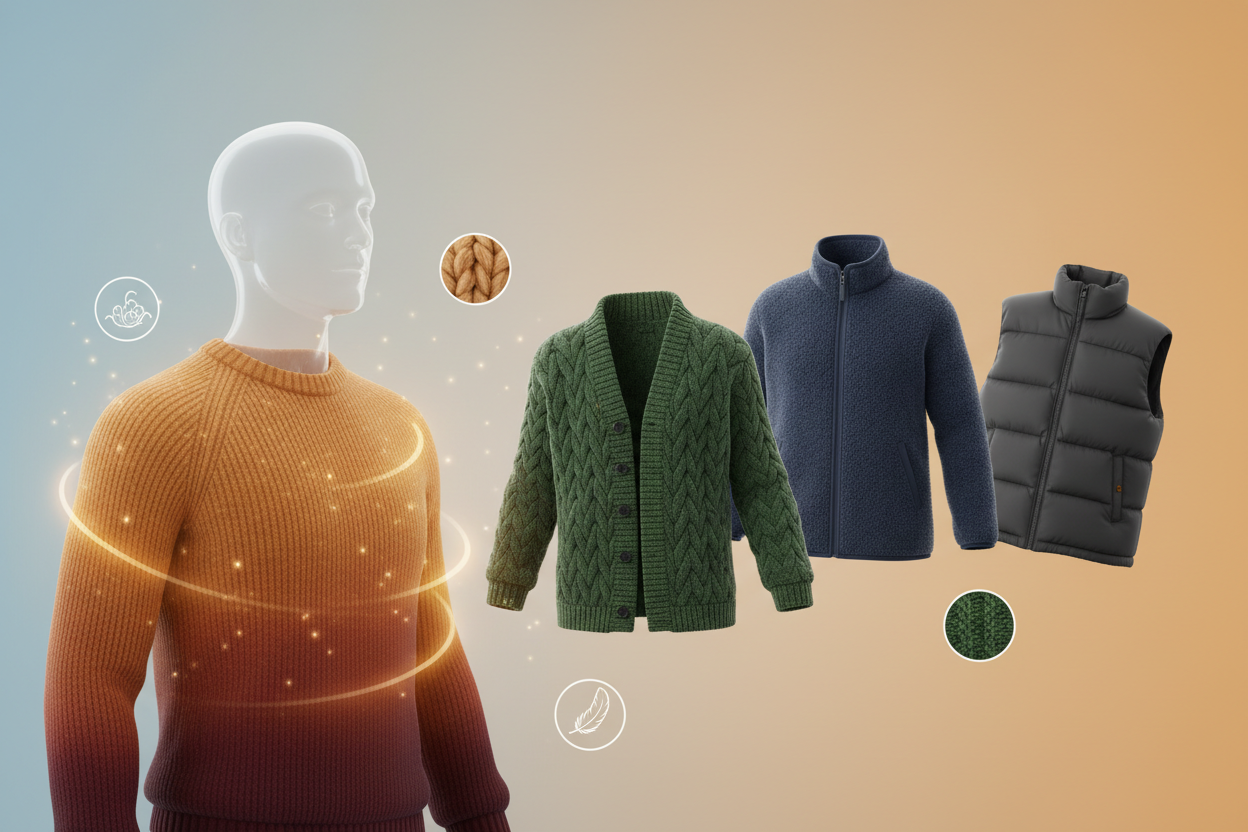
Layering isn’t just about piling on clothes; it’s a strategic approach to dressing that allows you to adapt to changing temperatures while maintaining an effortlessly chic appearance. Whether you’re navigating unpredictable weather, transitioning from outdoor cold to indoor warmth, or simply wanting to add depth and interest to your outfit, understanding how to layer effectively is a game-changer for your wardrobe.
In this comprehensive guide, we’ll explore the science behind smart layering, share insider tips from fashion professionals, and help you develop your own signature layered style that keeps you both comfortable and confident throughout the colder months.
Understanding the Fundamentals of Layering
Before diving into specific techniques, it’s crucial to understand why layering works so effectively. The concept revolves around creating insulating air pockets between different garments, which trap warm air close to your body while allowing moisture to escape. This thermal regulation system is what makes layering superior to simply wearing one heavy coat.
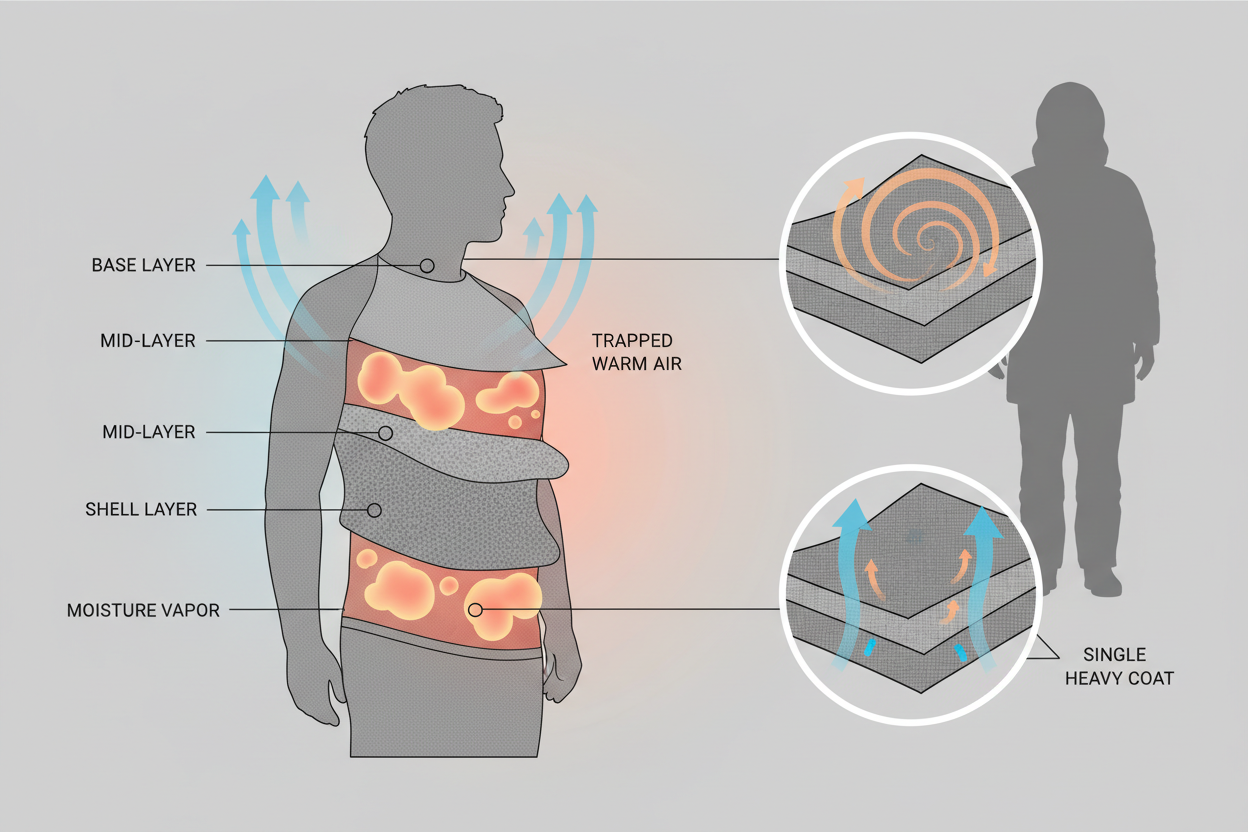
Think of layering as building a personal climate control system. Each layer serves a specific purpose: some provide warmth, others offer protection from elements, and some add style elements that elevate your overall look. The key is finding the right balance between function and fashion.
Successful layering also depends on understanding your body type and personal style preferences. What works beautifully on someone else might not translate perfectly to your figure or lifestyle. The beauty of layering lies in its adaptability – you can customize your approach based on your unique needs and aesthetic goals.
The Three-Layer System: Your Foundation for Success
Professional outdoor enthusiasts and fashion experts alike swear by the three-layer system, which provides a foolproof framework for effective layering. Let’s break down each component:
Base Layer (The Foundation): This is your closest-to-skin layer, responsible for moisture management and providing a smooth foundation for additional layers. Choose fitted garments made from moisture-wicking materials like merino wool or synthetic blends. This layer should feel like a second skin – snug but not restrictive.
Middle Layer (The Insulation): Your middle layer provides the primary warmth through insulation. This could be a sweater, cardigan, vest, or lightweight jacket. The middle layer should have some room for air circulation but shouldn’t be so loose that it creates bulk. Wool sweaters, fleece jackets, and down vests are excellent middle layer options.
Outer Layer (The Protection): Your outermost layer shields you from wind, rain, and snow while completing your style statement. This might be a wool coat, trench coat, parka, or stylish jacket. The outer layer should accommodate your inner layers without creating a bulky silhouette.
Remember, you don’t always need all three layers. On milder days, you might skip the middle layer, or on particularly cold days, you might add additional middle layers for extra warmth.
Choosing the Right Fabrics for Each Layer
Fabric selection can make or break your layering game. Different materials offer varying benefits, and understanding their properties helps you make informed choices that enhance both comfort and style.
Natural Fibers: Wool remains the gold standard for layering, offering excellent insulation even when wet, natural odor resistance, and breathability. Cashmere provides luxury and warmth but requires more careful handling. Cotton works well for base layers in moderate temperatures but can retain moisture in very cold conditions.
Synthetic Materials: Modern synthetic fabrics excel at moisture management and quick drying. Polyester blends, fleece, and technical fabrics designed for active wear can be excellent choices for base and middle layers, especially if you’ll be moving between different temperature environments throughout the day.
Blended Fabrics: Many contemporary garments combine natural and synthetic fibers to maximize the benefits of both. These blends often provide the comfort and breathability of natural fibers with the durability and easy care of synthetics.
When selecting fabrics, consider your daily activities, local climate, and personal comfort preferences. Someone living in a humid climate might prioritize moisture-wicking properties, while someone in a dry, cold environment might focus on insulation and wind resistance.
Mastering Color Coordination and Patterns
One of the biggest challenges in layering is creating a cohesive, intentional look rather than appearing as though you grabbed random items from your closet. Color coordination and pattern mixing are essential skills that separate amateur layering from professional-level styling.
Building a Neutral Foundation: Start with a neutral color palette as your base. Colors like black, white, gray, navy, camel, and cream work beautifully together and provide endless mixing possibilities. Once you’re comfortable with neutrals, you can gradually introduce color accents.
The 60-30-10 Rule: Apply this classic design principle to your layered outfits. Use one dominant color for 60% of your look (often your outer layer), a secondary color for 30% (middle layer or accessories), and a pop of accent color for the remaining 10% (scarf, bag, or shoes).
Pattern Mixing Strategies: When incorporating patterns, vary the scale and stick to a consistent color family. For example, pair a large plaid scarf with a small polka dot blouse, ensuring both share similar color tones. Stripes are particularly versatile and can anchor more complex pattern combinations.
Don’t be afraid to experiment with texture mixing alongside color and pattern coordination. Combining smooth silk with chunky knits, or sleek leather with soft wool adds visual interest and sophistication to your layered looks.
Seasonal Layering Strategies
Each season presents unique layering opportunities and challenges. Adapting your approach based on seasonal weather patterns and fashion trends ensures you stay both current and comfortable year-round.
Fall Layering: Autumn is the perfect season to perfect your layering skills. Start with lightweight base layers, add cozy middle layers like cardigans or light sweaters, and finish with transitional outerwear like trench coats or blazers. This season allows for the most creative layering combinations.
Winter Layering: Focus on maximum warmth without sacrificing style. Thermal base layers, insulating middle layers, and weather-resistant outer layers become essential. Don’t forget about extremities – layered accessories like gloves, scarves, and hats can add both warmth and style elements.
Spring Layering: As temperatures fluctuate, layering becomes about adaptability. Light cardigans, denim jackets, and versatile scarves that can be easily removed or added throughout the day are your best friends during spring’s unpredictable weather.
Summer Layering: Even warm weather benefits from strategic layering. Light cardigans for air-conditioned spaces, breathable kimono-style jackets for sun protection, and lightweight scarves for style can enhance summer outfits without adding unwanted warmth.
Accessorizing Your Layered Look
Accessories are the secret weapons of successful layering. They add personality, functionality, and polish to your layered outfits while providing additional warmth when needed. ✨
Scarves: Perhaps the most versatile layering accessory, scarves can completely transform an outfit’s mood and provide varying degrees of warmth. Learn different tying techniques to create fresh looks with the same scarf, and don’t be afraid to layer multiple lightweight scarves for added visual interest.
Hats and Headwear: Beyond practical warmth, hats add instant style and can tie together color schemes in your layered look. Beanies, berets, fedoras, and wide-brimmed hats each bring different style energies to your outfit.
Jewelry Layering: Don’t forget about jewelry when considering your layering strategy. Layered necklaces, stacked bracelets, and multiple rings can complement your clothing layers and add personal flair to your overall look.
Bags and Belts: These functional accessories can also serve as layering elements. A belt worn over a cardigan can define your waist and create structure, while the right bag can echo colors or textures in your layered outfit.
Common Layering Mistakes to Avoid
Even with the best intentions, certain layering pitfalls can undermine your efforts. Being aware of these common mistakes helps you develop better layering instincts and avoid fashion faux pas.
Over-layering: More isn’t always better. Too many layers can create bulk, restrict movement, and overwhelm your frame. Aim for strategic layering that serves both functional and aesthetic purposes.
Ignoring Proportions: Layering multiple loose-fitting garments can create an unflattering silhouette. Balance loose layers with fitted pieces, and consider your overall proportions when adding each layer.
Forgetting About Functionality: Beautiful layering that doesn’t serve your practical needs defeats the purpose. Consider your daily activities, local climate, and comfort requirements when planning layered outfits.
Neglecting Undergarments: The foundation of good layering starts with proper undergarments. Visible bra lines, bulky undergarments, or inappropriate undergarment colors can ruin an otherwise well-executed layered look.
Sticking to Safe Choices: While neutral colors and classic combinations are reliable, don’t be afraid to experiment with unexpected color combinations, texture mixing, and creative layering techniques that express your personal style.
Professional Layering for Work Settings
Workplace layering requires balancing professional appearance standards with practical comfort needs. The key is creating polished, put-together looks that can adapt to office temperature variations and weather changes during your commute.
Building a Professional Base: Start with quality basics in workplace-appropriate colors and cuts. Well-fitted blazers, cardigans, and structured jackets form the foundation of professional layering wardrobes.
Transitional Pieces: Invest in pieces that work equally well indoors and outdoors. A wool blazer that looks professional in meetings but provides adequate warmth for outdoor lunch breaks exemplifies smart professional layering.
Strategic Removability: Design your layered professional outfits so you can easily remove or add pieces throughout the day. A cardigan that can be taken off for important presentations but added back for chilly conference rooms demonstrates thoughtful layering planning.
Consider your industry’s dress code, company culture, and personal brand when developing your professional layering strategy. What works in a creative agency might not translate to a conservative law firm, so adapt your approach accordingly.
Conclusion
Mastering the art of layering transforms cold-weather dressing from a necessary chore into an exciting creative opportunity. By understanding the fundamentals of thermal regulation, fabric selection, color coordination, and strategic styling, you can create layered looks that are both functionally effective and aesthetically pleasing.
Remember that developing your personal layering style takes time and experimentation. Start with basic three-layer combinations using neutral colors, then gradually incorporate more complex color schemes, patterns, and textures as your confidence grows. Pay attention to how different fabrics feel against your skin, how various combinations affect your comfort throughout the day, and which layering strategies work best for your lifestyle and climate.
The beauty of layering lies in its adaptability and personal expression potential. Whether you prefer minimalist, monochromatic looks or bold, pattern-mixed ensembles, the principles of effective layering can be adapted to suit your unique style preferences and practical needs. 🌟
As you continue to refine your layering skills, don’t be afraid to take inspiration from others while developing your own signature approach. The most successful layered looks feel effortless and authentic to the wearer, combining practical comfort with personal style in a way that looks intentional and polished.
Frequently Asked Questions
Q: How many layers should I wear in cold weather?
A: The ideal number of layers depends on the temperature, your activity level, and personal comfort preferences. Generally, 2-4 layers work well for most cold weather situations. The key is choosing the right combination rather than simply adding more layers.
Q: Can I layer patterns without looking overwhelming?
A: Yes! The key to successful pattern mixing is varying the scale of patterns and sticking to a consistent color palette. Start with one dominant pattern and add smaller, more subtle patterns in coordinating colors.
Q: What’s the best base layer material for sensitive skin?
A: Merino wool and bamboo fibers are excellent choices for sensitive skin as they’re naturally hypoallergenic, moisture-wicking, and soft. Avoid synthetic materials if you have skin sensitivities.
Q: How do I layer without looking bulky?
A: Focus on fit and proportion. Choose fitted base layers, structured middle layers, and well-tailored outer layers. Avoid layering multiple loose-fitting garments, and consider your overall silhouette when adding each piece.
Q: Is it okay to layer different textures together?
A: Absolutely! Mixing textures adds visual interest and sophistication to layered outfits. Try combining smooth and textured fabrics, like pairing a silk blouse with a chunky knit cardigan.
Q: How do I transition my layered look from day to night?
A: Plan your layers strategically so you can remove or add pieces to change your look’s formality. A blazer over a dressy top can be removed to reveal an evening-appropriate outfit, or statement jewelry can be added to elevate a casual layered look.