
The Role of History in Shaping Modern Fashion
The Role of History in Shaping Modern Fashion
Fashion is much more than just trends and styles; it’s a reflection of society, culture, and history. As we walk down the streets today, we’re not just wearing clothes – we’re wearing a rich tapestry of history. Understanding the role of history in shaping modern fashion offers insights into how the past continues to influence our present-day sartorial choices.
Table of Contents
1. Introduction
2. The Influence of Ancient Civilizations
3. Victorian Elegance and Its Lingering Echo
4. The Roaring Twenties: A Revolution in Style
5. The Influence of War on Fashion
6. Modern Fashion: A Diary of the Past
7. Conclusion
8. FAQs
The Influence of Ancient Civilizations
Our journey through fashion history begins with ancient civilizations. From the intricate drapery of Greek togas to the structured silhouettes of Roman attire, these ancient styles have left an indelible mark on modern fashion. Designers often draw on these historical garments, reviving toga-like drapery or gladiator-inspired sandals in contemporary collections. The symbolism and craftsmanship of these early civilizations continue to resonate, reminding us of our shared human heritage.
Victorian Elegance and Its Lingering Echo
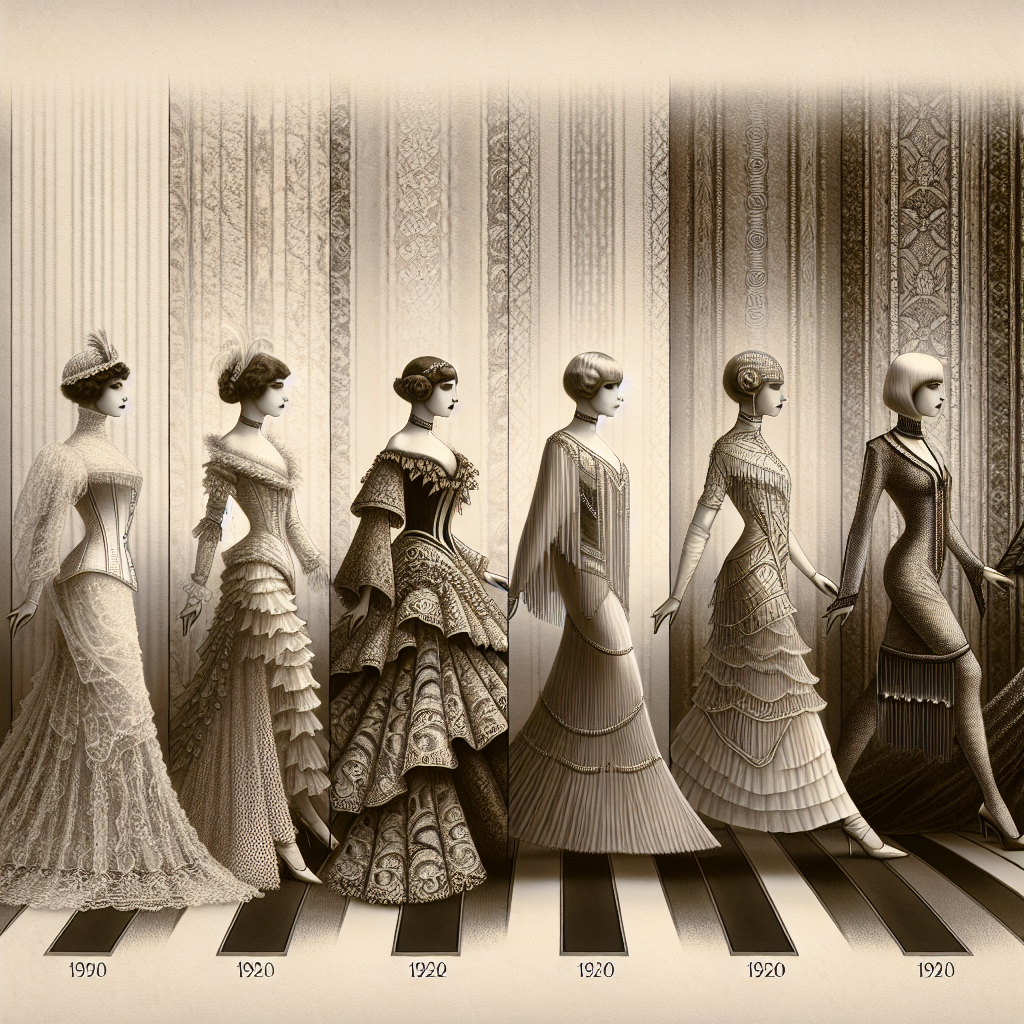
The Victorian era is synonymous with elegance and formality. With its corsets, voluminous skirts, and elaborate embellishments, this period defined a certain standard of beauty and femininity. Today, Victorian influences are evident in high-neck blouses, lace embellishments, and tailored suits. The era’s attention to detail and craftsmanship is a nod to a time when fashion was as much about artistry as it was about function. Designers like Alexander McQueen have famously drawn from Victorian aesthetics, blending the old with the new in a dramatic fashion.
The Roaring Twenties: A Revolution in Style
The 1920s was a decade of liberation and change, and fashion mirrored this societal shift. The flapper dress, with its loose fit and beaded embellishments, symbolized freedom from the constraints of previous fashion norms. Today, the spirit of the Roaring Twenties is alive in fringed dresses, cloche hats, and art deco-inspired accessories. This era taught us that fashion could be a means of self-expression and rebellion, a lesson that continues to influence designers and fashion enthusiasts alike.
The Influence of War on Fashion
War has had a profound impact on fashion, often dictating practicality and resourcefulness. During World War II, fabric rationing led to the creation of simpler, more utilitarian styles. The iconic trench coat, originally designed for military use, became a civilian staple that endures to this day. The resilience of wartime fashion has inspired modern designers to blend functionality with style, a trend that remains relevant in today’s fast-paced world.
Modern Fashion: A Diary of the Past
In today’s fashion landscape, history is a constant source of inspiration. Vintage revivals are commonplace, with designers reimagining past styles for a contemporary audience. From retro prints to nostalgic silhouettes, the cyclical nature of fashion ensures that the past is never far from the present. Fashion houses often delve into archives, drawing on historical references to create collections that feel both innovative and familiar.
Conclusion
The role of history in shaping modern fashion is undeniable. As we continue to evolve, fashion serves as a living diary of human experience, seamlessly blending past influences with current trends. By understanding the historical context of fashion, we gain a deeper appreciation for the artistry and innovation that define the industry today. Whether it’s the elegance of the Victorian era or the rebellious spirit of the 1920s, history will always have a place in fashion’s future.
FAQs
Q: Why is history important in fashion?
A: History provides context and inspiration, allowing designers to draw on past styles and techniques to create innovative and meaningful fashion.
Q: How do designers incorporate historical influences into modern fashion?
A: Designers often study historical garments, fabrics, and techniques, reinterpreting them in fresh, contemporary ways to resonate with today’s audience.
Q: What are some examples of historical fashion influences in today’s trends?
A: Examples include the resurgence of Victorian lace and high-neck blouses, 1920s-inspired fringe dresses, and the timeless appeal of the trench coat.
Q: Can fashion trends from the past make a comeback?
A: Absolutely! Fashion is cyclical, and trends often resurface with new interpretations, ensuring that the past is always a part of the present.
Whether you’re a fashion enthusiast or just someone curious about the clothes you wear, understanding the historical roots of modern fashion can enrich your appreciation of this ever-evolving art form. After all, every outfit tells a story – and many of those stories began long before our time. 🌟