
How to Mix Patterns and Colors Like a Pro
How to Mix Patterns and Colors Like a Pro: A Guide to Vibrant Styling
Fashion is an ever-evolving art form that allows us to express our personality and creativity. One of the most exciting aspects of fashion is the ability to mix patterns and colors to create unique and eye-catching outfits. However, for many, this can seem daunting. Fear not! This guide will walk you through the essentials of mixing patterns and colors like a pro. Whether you’re a fashion novice or a seasoned style enthusiast, you’ll find tips here to elevate your wardrobe.
Table of Contents
1. Understanding the Basics
2. Choosing a Color Palette
3. Mixing Patterns Like a Pro
4. Balancing Patterns and Solids
5. Adding Texture to Your Outfit
6. Common Mistakes to Avoid
7. FAQs
8. Conclusion
Understanding the Basics
Before diving into the world of pattern and color mixing, it’s crucial to understand some foundational concepts. At its core, mixing patterns and colors is about creating visual harmony. While it may seem chaotic at first, there’s an underlying order that makes it work.
Start by familiarizing yourself with the color wheel. This tool is your best friend when it comes to creating complementary and contrasting combinations. Similarly, take time to understand basic patterns such as stripes, polka dots, florals, and checks. Each has its unique visual language.
Choosing a Color Palette
When mixing patterns, having a cohesive color palette is essential. Begin with a neutral base—think whites, blacks, or grays. These colors act as anchors, allowing you to introduce more vibrant hues without overwhelming the senses.
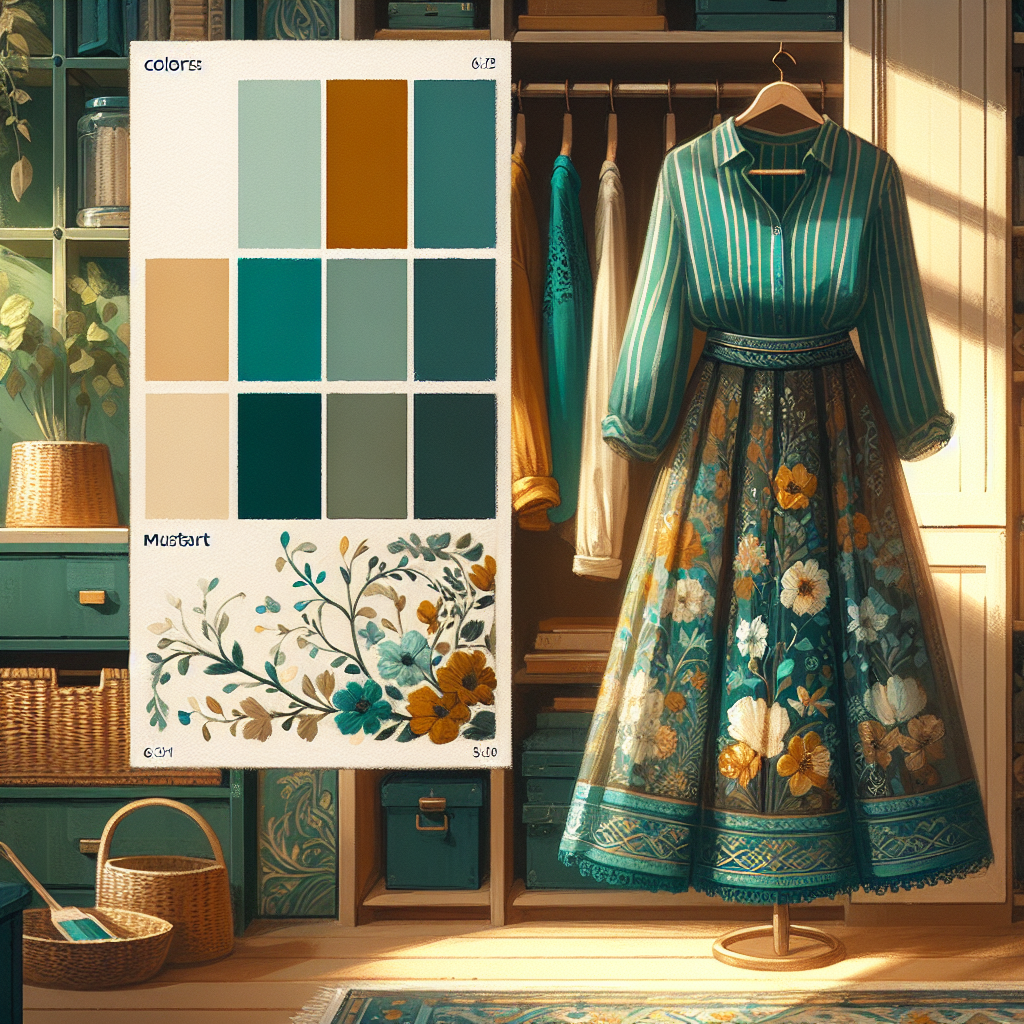
Once you have your base, select two to three accent colors. These should complement each other and, ideally, appear in the patterns you’re looking to mix. For example, if you have a floral skirt with hints of teal and mustard, consider a striped shirt that shares one of these colors.
Mixing Patterns Like a Pro
Now, onto the fun part—pattern mixing! The key here is to vary the scale of your patterns. Pair a larger pattern with a smaller one to create balance and avoid visual overload. For instance, a bold, large floral print can be beautifully offset by a smaller, subtle polka dot.
Another tip is to look for common colors within the patterns. This will tie them together harmoniously. If you’re mixing a plaid with a floral, ensure they share at least one color to create cohesion.
Balancing Patterns and Solids
To prevent your outfit from becoming too busy, balance is key. Once you’ve chosen your patterns, anchor them with solids. This could be a solid-colored jacket, scarf, or pair of shoes. Solids give the eye a place to rest, allowing the patterns to shine.
Additionally, keep accessories minimal. A statement necklace or bold earrings can add to the chaos if not chosen carefully. Stick to simple, understated pieces to maintain balance.
Adding Texture to Your Outfit
Texture adds another layer of interest to your ensemble. Mixing materials like denim, silk, or wool can enhance the depth of your outfit. A denim jacket over a silk floral dress, for example, introduces a textural contrast that is both chic and sophisticated.
Playing with texture is also an excellent way to experiment with monochromatic looks. Even if you’re sticking to a singular color scheme, varying textures can add dimension and intrigue.
Common Mistakes to Avoid
While experimentation is encouraged, there are a few pitfalls to watch out for. Avoid using too many bold patterns at once, as this can overwhelm the eye. Similarly, steer clear of clashing color combinations unless you’re confident in your choices.
Another common mistake is ignoring the occasion. While a bold mixed-pattern outfit might be perfect for a casual day out, it may not be suitable for more formal settings. Always consider the context when planning your look.
FAQs
Q: Can I mix more than two patterns?
A: Absolutely! The trick is to ensure they share a color palette and vary in scale to maintain harmony.
Q: What if I’m not confident in my color choices?
A: Start small. Introduce one new color or pattern at a time until you’re more comfortable.
Q: Are there any colors that are foolproof for mixing?
A: Neutrals like black, white, and gray are versatile and can be mixed with nearly any color.
Conclusion
Mixing patterns and colors can seem intimidating, but with the right approach, it can transform your wardrobe. Remember, fashion is about personal expression. Don’t be afraid to experiment and make mistakes along the way. Embrace the process, and soon you’ll be mixing patterns and colors like a true pro! 🎨👗