Exploring the Intersection of Fashion and Politics in 2025
Exploring the Intersection of Fashion and Politics in 2025
Welcome to a fascinating journey through the evolving world of fashion and politics in 2025! As we delve into this compelling intersection, we’ll uncover how fashion statements are increasingly becoming powerful tools for political expression and societal change. 🕊️✨
Table of Contents
1. The History of Fashion as Political Expression
2. Modern-Day Fashion Activism
3. The Role of Social Media in Fashion Politics
4. Influential Figures Bridging Fashion and Politics
5. The Future of Fashion and Political Expression
6. FAQs
The History of Fashion as Political Expression
Fashion has long been a medium for political expression, transcending its primary function of aesthetic appeal. From the suffragette movement’s strategic use of color to the punk movement’s rebellious attire, fashion has always had a voice in political arenas.
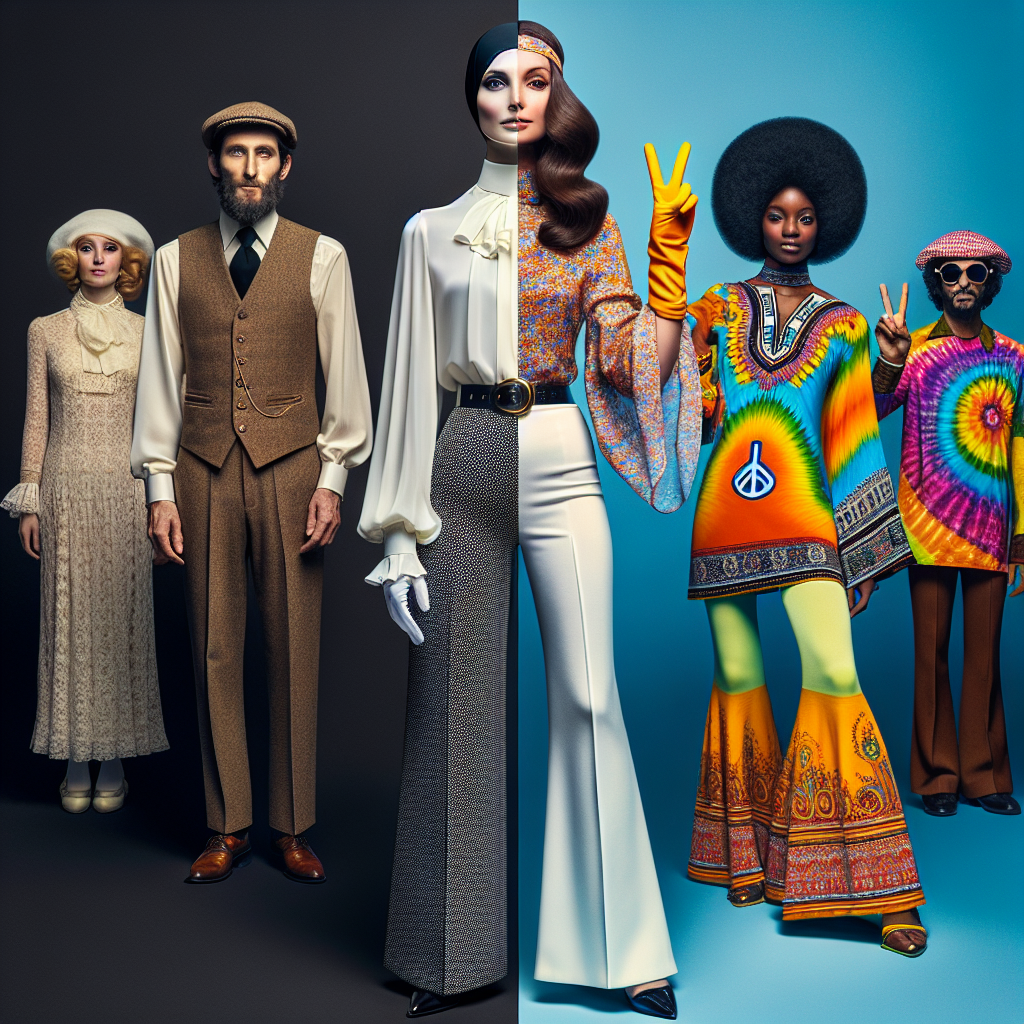
In the 20th century, fashion began to take on more overt political connotations. Icons like Coco Chanel introduced the idea of liberation through fashion, promoting women’s independence with trousers and simple, elegant designs. Meanwhile, the 1960s saw the rise of counterculture fashion, which boldly challenged societal norms and government policies. 🌈
Modern-Day Fashion Activism
Fast forward to 2025, and fashion activism is more pronounced than ever. Today, fashion is not just a statement but a movement. Designers incorporate political messages into their collections, using their platforms to address issues such as climate change, gender equality, and human rights.
Brands like Stella McCartney and Patagonia are leading the charge in sustainable fashion, advocating for eco-friendly materials and ethical production practices. Their efforts are not just about looking good but feeling good about the choices we make for our planet. 🌍
The Role of Social Media in Fashion Politics
Social media has become a driving force in the fashion and politics intersection. Platforms like Instagram and TikTok amplify voices and styles, turning local trends into global movements. Influencers and activists utilize these platforms to spread awareness and rally support for various causes.
Hashtags like #FashionRevolution and #WhoMadeMyClothes encourage transparency and accountability in the fashion industry, pushing brands to reveal their supply chain practices and ensure fair labor conditions. 📲
Influential Figures Bridging Fashion and Politics
Several figures have emerged as powerful symbols at the crossroads of fashion and politics. Alexandria Ocasio-Cortez uses her platform to highlight issues of inequality and justice, often making headlines with her choice of attire that reflects her political stance.
Similarly, designers like Virgil Abloh and Prabal Gurung challenge the status quo, integrating political themes into their creations and runway shows. They prove that fashion can indeed be a powerful tool for change, influencing public perception and policy. 🧵
The Future of Fashion and Political Expression
As we look to the future, the bond between fashion and politics is only set to grow stronger. With technological advancements, such as 3D printing and virtual fashion shows, designers have new avenues to express their creativity and political messages.
In 2025, we can expect fashion to continue breaking barriers and challenging norms. As consumers become more conscious of their purchases, the demand for ethically produced and politically conscious fashion will rise. This shift represents not just a trend but a movement towards a more informed and engaged society. 🌟
FAQs
Q1: How has fashion been used historically as a political tool?
A1: Fashion has been used to challenge authority, promote equality, and express solidarity with various political movements. Notable examples include the suffragette movement’s use of white attire and the punk movement’s rebellious styles.
Q2: What role does social media play in fashion politics?
A2: Social media amplifies political messages in fashion, allowing trends and movements to spread quickly. It holds brands accountable and encourages transparency in the fashion industry.
Q3: Who are some influential figures in the fashion and politics space?
A3: Figures like Alexandria Ocasio-Cortez, Virgil Abloh, and Prabal Gurung use their platforms to highlight political issues through fashion, influencing public discourse and policy.
Conclusion
The intersection of fashion and politics is a dynamic and evolving landscape. As we navigate 2025, it’s clear that fashion will continue to be a vital tool for political expression and activism. Whether through sustainable practices or bold designs, fashion is not just about what we wear—it’s about who we are and what we stand for. Let’s embrace this powerful medium for change and make our voices heard, one outfit at a time. 👗✊